Skip to content
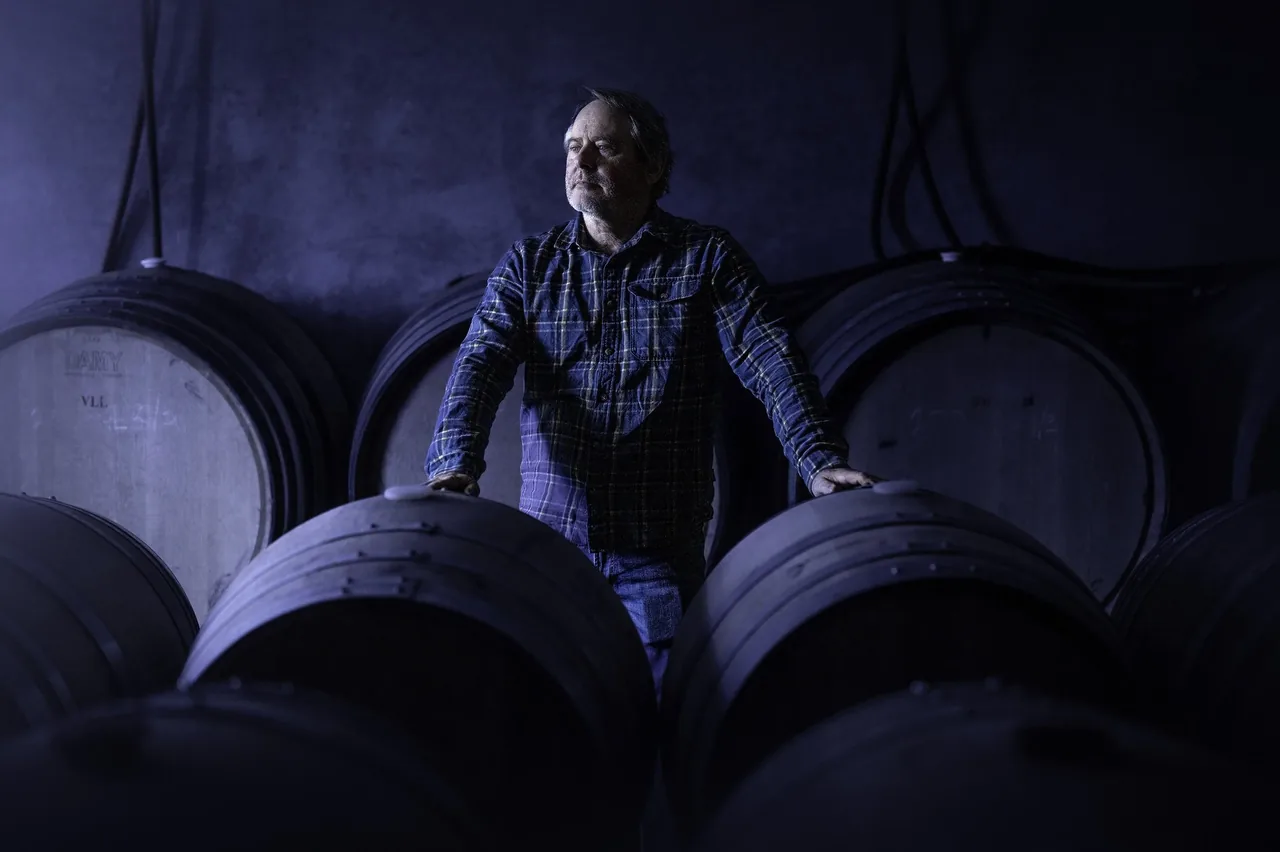
A man in a checked shirt stands among stacked wooden barrels in a dim, blue-lit cellar, resting his hands on the barrels
GrantonTasmaniaAustraliaWine

Stefano Lubiana Wines

loo-bee-AH-nah
Gold TierTypically $45–90
Last verified · August 2026

When Steve and Monique Lubiana planted above the Derwent River outside Hobart in 1990, they were choosing one of the coldest and most marginal sites for viticulture in Australia. Ripeness was not a certainty in any given year.

They then converted to Demeter certified biodynamic practice, in a place where the attentiveness that farming demands is repaid rather than wasted — a marginal climate punishes inattention immediately. The estate is self-sustaining in the way biodynamic philosophy actually intends rather than merely describes: chickens, cows, composting, cover crops, and a market garden supplying the on-site restaurant all form part of one farm system.
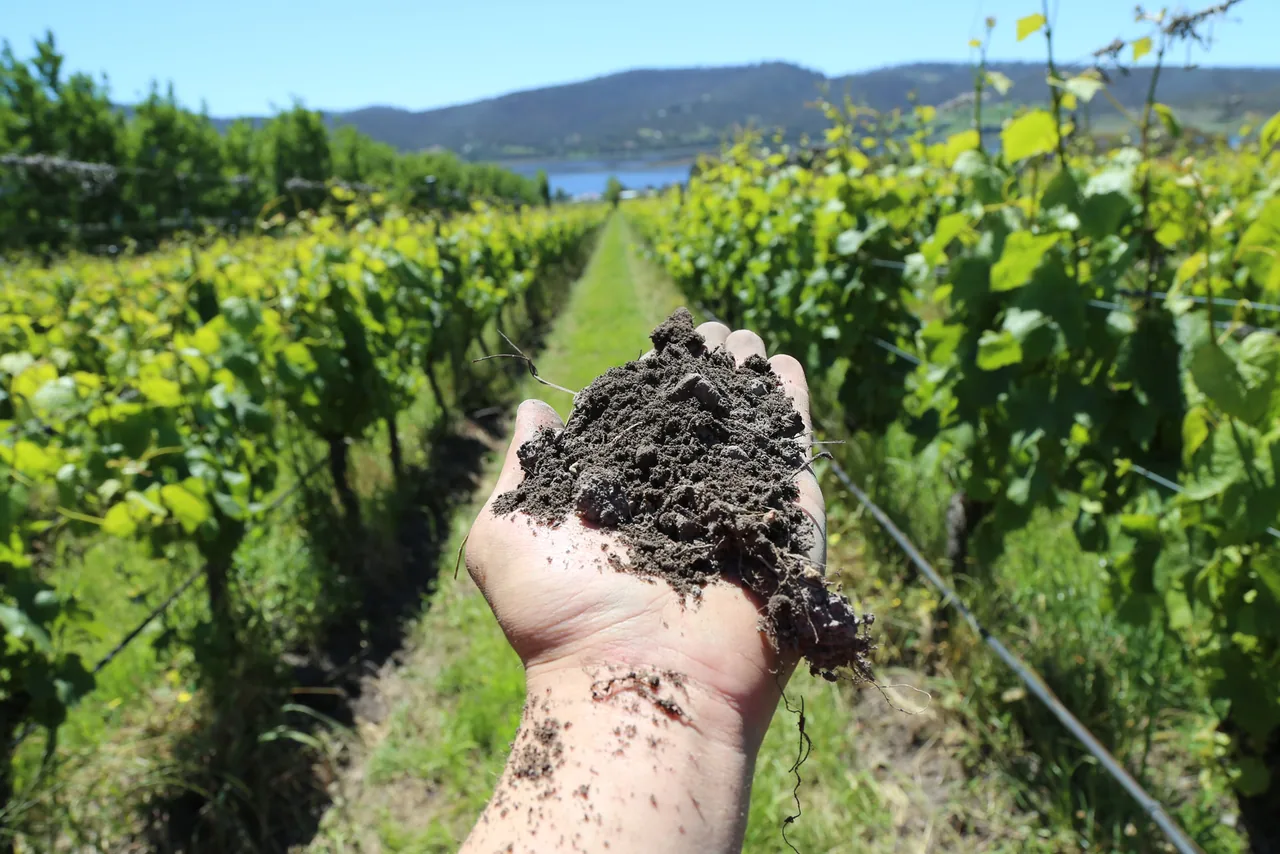
A hand holding a heap of crumbly dark soil between two rows of leafy green vines, with water and hills behind

It is one of the few Tasmanian vineyards to have held biodynamic certification long enough for the soil improvements to show up visibly in the wine. The Primavera Chardonnay and the Vintage Sparkling have drawn 95 points from James Halliday, and the Pinot Noir has found an audience among collectors who find Yarra Valley and Mornington Peninsula styles too warm.

Treated pine posts were taken out in 2010 and steel used for new plantings, a more expensive post chosen because the cheap one leaches into the ground it holds up.

Serious Tasmanian Pinot Noir remains a small category. Lubiana is one of the producers who defined what it could be, on a site most people at the time thought was too cold to bother with.

Why it’s remarkable

2013
the first biodynamic certification in Tasmania — and no longer the only one
The vineyard was farmed biodynamically from around 2010 and certified in 2013, the first in the state to get there. It was widely described as the only one for years afterwards. At least one other Tasmanian vineyard has since certified, so we do not repeat the ‘only’ part.
11,000 vines
per hectare in the close-planted block, against a standard 4,500
The block established in 2019 runs at more than double the estate’s usual density. Every operation in it — pruning, spraying, picking — costs more than twice as much per hectare, and each vine is asked for less fruit.
Still converting
the Huon Valley site is not certified, and the estate says so
The ten-hectare Cradoc vineyard, bought in 2015, remains in conversion to biodynamic certification. The estate publishes that rather than letting the Granton certification stand for everything it owns.
2010
the year they stopped putting treated pine in the ground
Treated pine posts were eliminated in 2010 and steel is used for new plantings — a more expensive post, chosen because the cheap one leaches into the soil it is holding up.
Independently certified, and checked against the issuing body’s own register. Not a compromise on quality — see how we verify.

Free Bacchus Verification

Track A
Formal third-party certification, confirmed against the issuing body’s own register.

Demeter Biodynamic Certified

Certified1
  • Demeter Biodynamic Certified
Re-verified annually against the issuing body’s register. How re-verification works
The producer’s own siteslw.com.au
Producers don’t pay to be here. There is no fee to be listed and no way to buy a higher tier. If the evidence doesn’t hold, the bottle isn’t here.
Flagship
Primavera Pinot Noir
Best award
IWC Biodynamic Trophy · International Wine Challenge

If you’re buying

Price
Around US$45 for the flagship bottling. Approximate, and it moves with vintage and market.
Drinking now
The Estate Pinot Noir drinks well from about three years and holds for a decade. The sparkling wines reward longer.
Serving
Pinot at 14–16°C, Chardonnay at 12°C, sparkling straight from the fridge. No decanting needed.
Availability
Generally obtainable through specialist retailers.
Tastes like
Cool-climate Pinot Noir and Chardonnay — red cherry, citrus and a fine thread of acidity. Restrained rather than ripe.
Pairs with
Roast duck, grilled salmon, or a washed-rind cheese.
Price bands are approximate and move with vintage, market and region. They are a guide, not a quotation.

Cheat sheet

Save it to your phone. Everything you need to recognise this producer, and three things worth saying about it, at a glance in a shop or across a table.

21 verified producers in Australia →

From the Journal

← Reyneke WinesThe Verification StandardWeingut Loimer →

More Verified Houses · Australia

Where to go next

Three more from the cellar, chosen by what is in the glass rather than where it is from.

Felton RoadRed · New Zealand Château PesquiéRed · France Tenuta delle Terre NereRed · Italy
↑