Skip to content
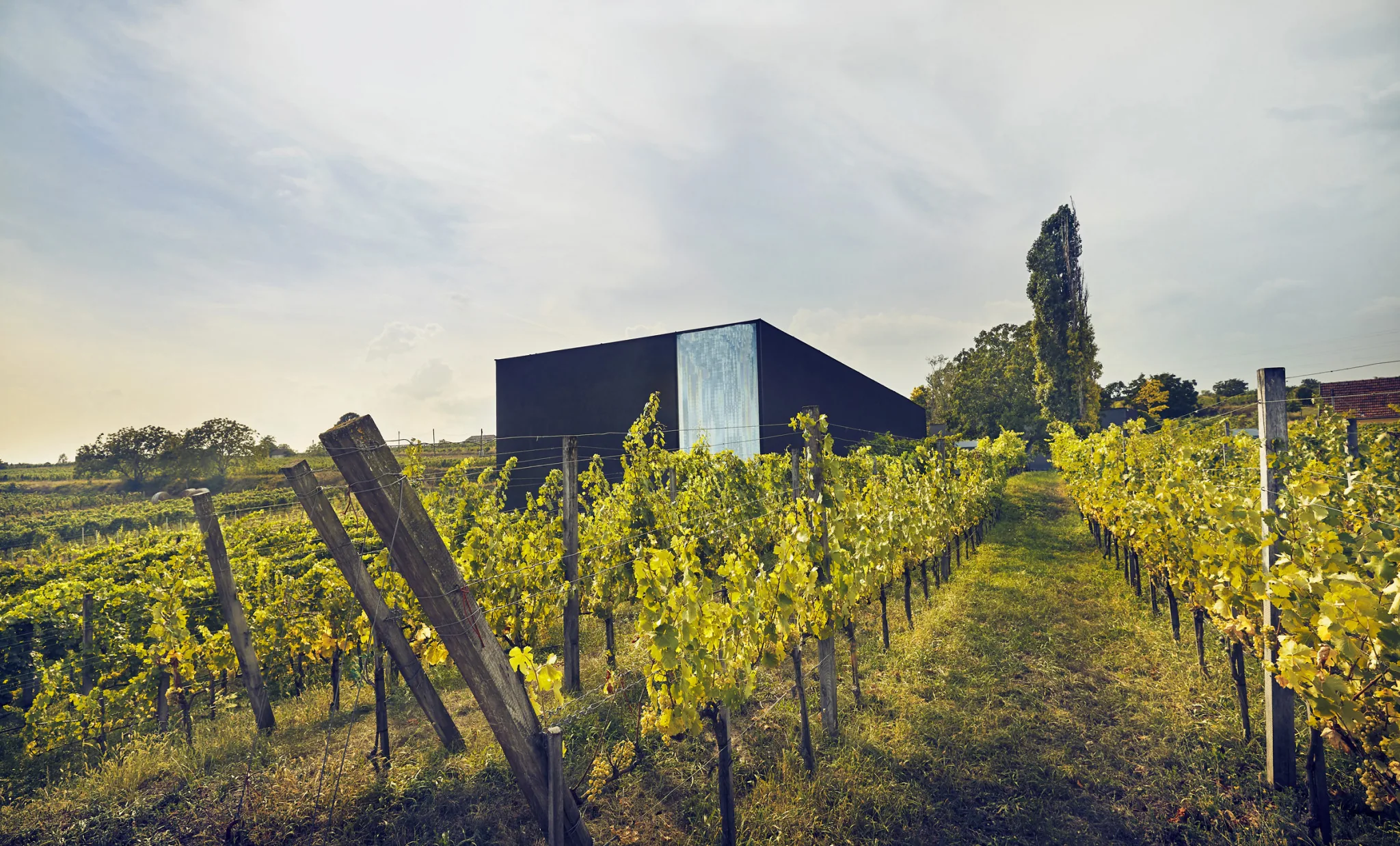
Vine rows with yellowing leaves leading to a black, angular building with a pale glass panel, under a cloudy sky
LangenloisKamptalAustriaWine

Weingut Loimer

LOY-mer · Kamptal is KAMP-tahl
Gold TierTypically $45–90
Last verified · August 2026

Respekt-Biodyn, the Austrian biodynamic association founded in 2007, is now the most rigorous private certification programme for sustainable farming in Central Europe. Fred Loimer was one of its founding members, and had already converted his own estate before the association existed to certify anything.

That sequence is worth noticing. The founding of Respekt was in part a formalisation of what Loimer and a small group of colleagues had spent the 2000s already doing, rather than a standard they then adopted. His Langenlois estate in the Kamptal is EU certified organic and Respekt-Biodyn certified, farming Grüner Veltliner and Riesling across both the region's loess terraces and its harder primary rock sites — soils that produce structurally different wines from identical varieties.
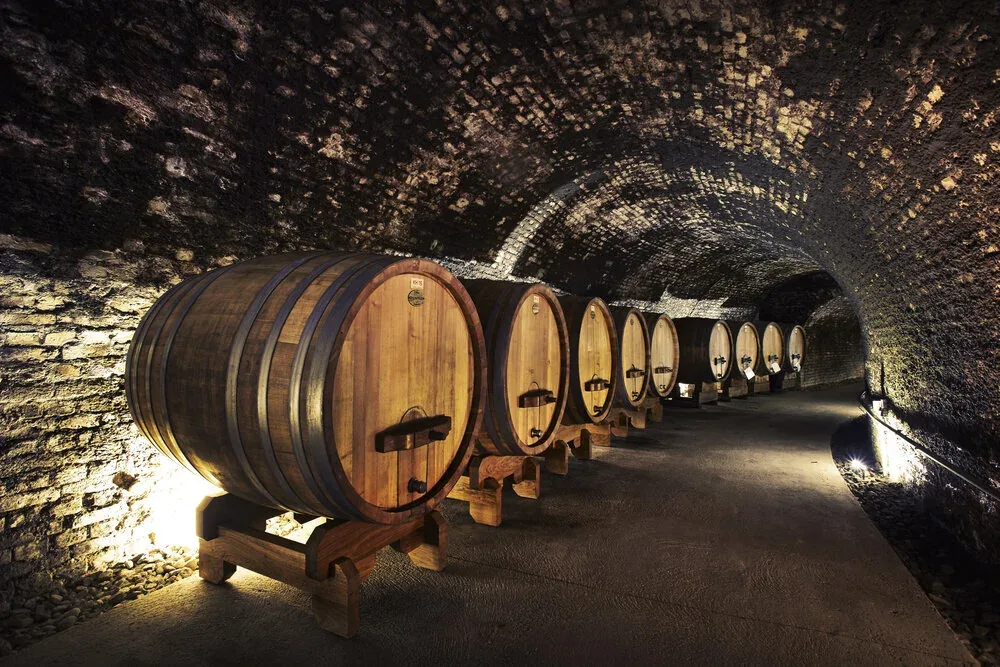
A row of large wooden casks on timber stands in a vaulted brick cellar, lit from below

What started the conversion was a bad year rather than a plan. Loimer has said he had a great many problems in 2005 and knew from that point that something had to change.

The Heiligenstein Riesling, from the ancient volcanic site at the edge of Langenlois, has drawn 95 points from Wine Advocate. The Seeberg and Käferberg Grüner Veltliners from loess slopes show the complementary side of the Kamptal: rounder and broader, with the white pepper note the variety expresses most clearly in these soils.

Two soils make two different wines here out of the same grape, which is the most useful thing a newcomer can take from the Kamptal. Loess is soft wind-blown silt, and Grüner Veltliner grown on it comes out rounder and broader, with the white pepper the variety is known for sitting right at the front. Primary rock — the hard old stone under Heiligenstein — gives something narrower and tighter, more mineral than fruity, and slower to open. Same grower, same year, same grape: the ground is doing the talking.

The architecture and label design are among the most distinctive in Austrian wine, which occasionally distracts from the fact that the contents are entirely serious.

“We’re not anthroposophic and we’re not devotees of Steiner.”
Fred LoimerWinemaker and owner, on why his group set up its own certification, 2012 · Vinography

Why it’s remarkable

2005
a bad year, not a plan, is what started the conversion
Loimer has said he had a great many problems in 2005 and knew from that point that something had to change. The biodynamic transition began then, rather than from a decision taken in advance.
2007
he co-founded a certifier because he did not want Demeter’s
Respekt was set up in 2007 by growers who farm biodynamically but decline the anthroposophy that sits behind Demeter, and was renamed respekt-BIODYN in 2015. Worth knowing when you see the logo: it is a real third-party audit, but it is not Demeter’s, and the two do not mean the same thing.
AT-BIO-402
the EU organic control number, which anyone can look up
The estate’s organic certification carries a control-body code rather than only a logo. That is the difference between a claim you can check and a claim you have to take on trust.
Independently certified, and checked against the issuing body’s own register. Not a compromise on quality — see how we verify.

Free Bacchus Verification

Track A
Formal third-party certification, confirmed against the issuing body’s own register.

EU Organic Certified · Respekt-Biodyn (founding member)

Certified2
  • EU Organic Certified
  • Respekt-Biodyn (founding member)
Re-verified annually against the issuing body’s register. How re-verification works
The producer’s own siteloimer.at
Producers don’t pay to be here. There is no fee to be listed and no way to buy a higher tier. If the evidence doesn’t hold, the bottle isn’t here.
Flagship
Heiligenstein Riesling 1ÖTW
Best award
Respekt-Biodyn founding member recognition · Falstaff / Vinous international

If you’re buying

Price
Around US$55 for the flagship bottling. Approximate, and it moves with vintage and market.
Drinking now
The village wines are ready now. Heiligenstein Riesling wants about five years and holds for fifteen.
Serving
Serve at 10–12°C, not ice cold. A larger glass helps the Riesling. No decanting.
Availability
Generally obtainable through specialist retailers.
Tastes like
Grüner Veltliner and Riesling with real cut — green apple, white pepper and stony acidity. Dry, not sweet.
Pairs with
Schnitzel, grilled asparagus, or a fresh goat’s cheese.
Price bands are approximate and move with vintage, market and region. They are a guide, not a quotation.

Cheat sheet

Save it to your phone. Everything you need to recognise this producer, and three things worth saying about it, at a glance in a shop or across a table.

22 verified producers in Austria →

From the Journal

← Stefano Lubiana WinesThe Verification StandardMillton Vineyards →

More Verified Houses · Austria

Where to go next

Three more from the cellar, chosen by what is in the glass rather than where it is from.

La RaiaWhite · Italy Didier DagueneauWhite · France Domaine François ChidaineWhite · France
↑