Skip to content
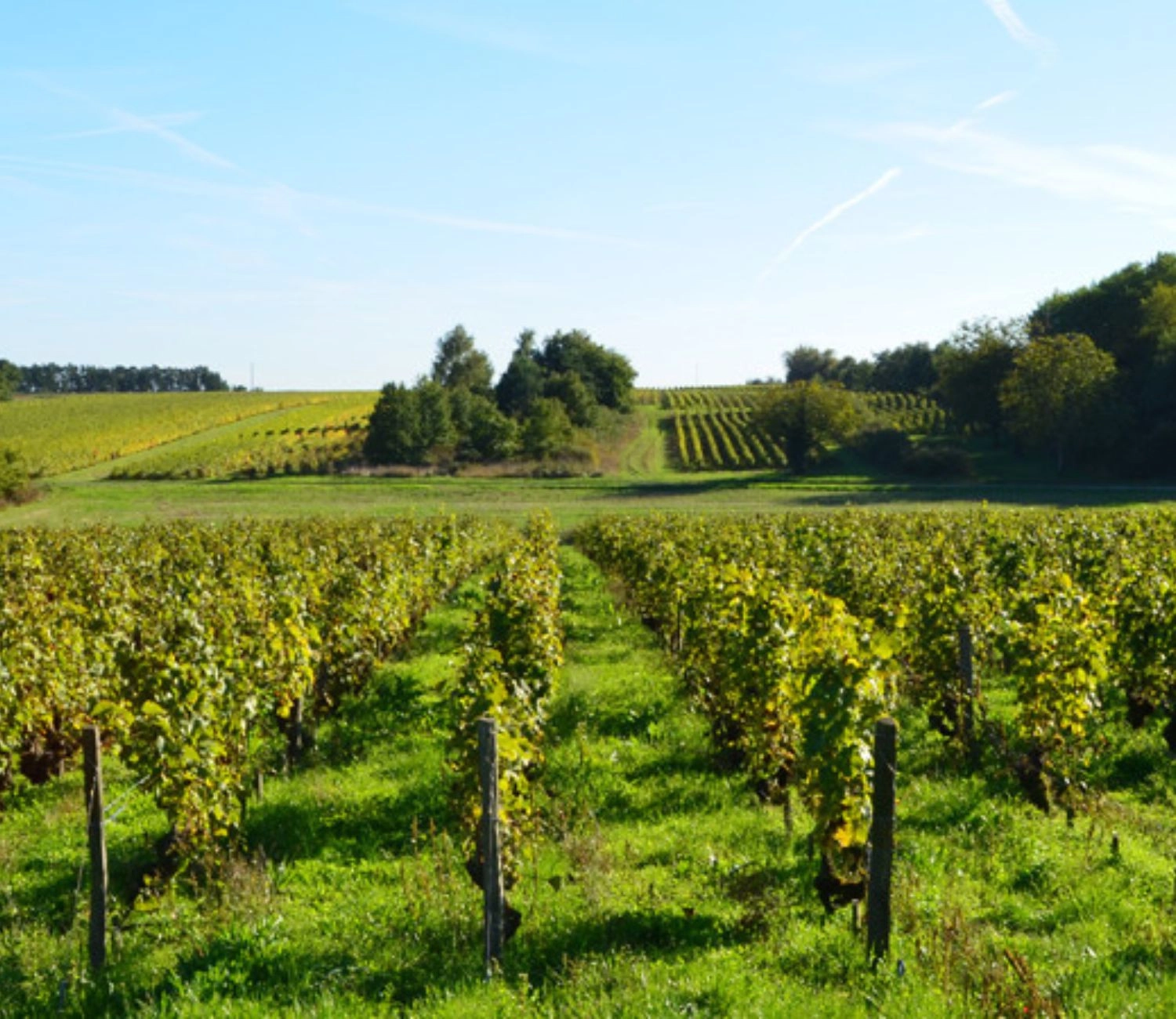
A grassy alley between yellowing vine rows, with more vineyard on rising ground and clumps of trees under a pale blue sky
Montlouis-sur-Loire and Vouvray, Loire, FranceFranceBiodynamic Wine

Domaine François Chidaine

shee-DEN · Montlouis is mon-LWEE
Gold TierTypically Under $45
Last verified · August 2026

From the 2014 vintage, Vouvray fruit produced and bottled outside the village may no longer carry the appellation name. François Chidaine’s cellar is in Montlouis, across the river and within sight of the vines. His Vouvray is therefore sold as Vin de France, the lowest designation the country has.

That is a rule about the address of the press, not about how anything was grown. The vines are the same vines they were in 2013, in the same Vouvray soil, farmed the same way. Nothing changed except which side of a river the wine was made on — and the label now says the wine is barely French rather than one of the Loire’s benchmark appellations.

He built the domaine from nothing: four hectares in 1989, around forty now, about thirty of them Chenin Blanc across Montlouis, Vouvray and Touraine. His parents retired in 1999 and handed him thirteen hectares, and he converted to biodynamics that same year, early for the Loire. He credits Didier Dagueneau and Nady Foucault of Clos Rougeard with persuading him. Certification is Demeter, with Biodyvin membership audited by Ecocert.
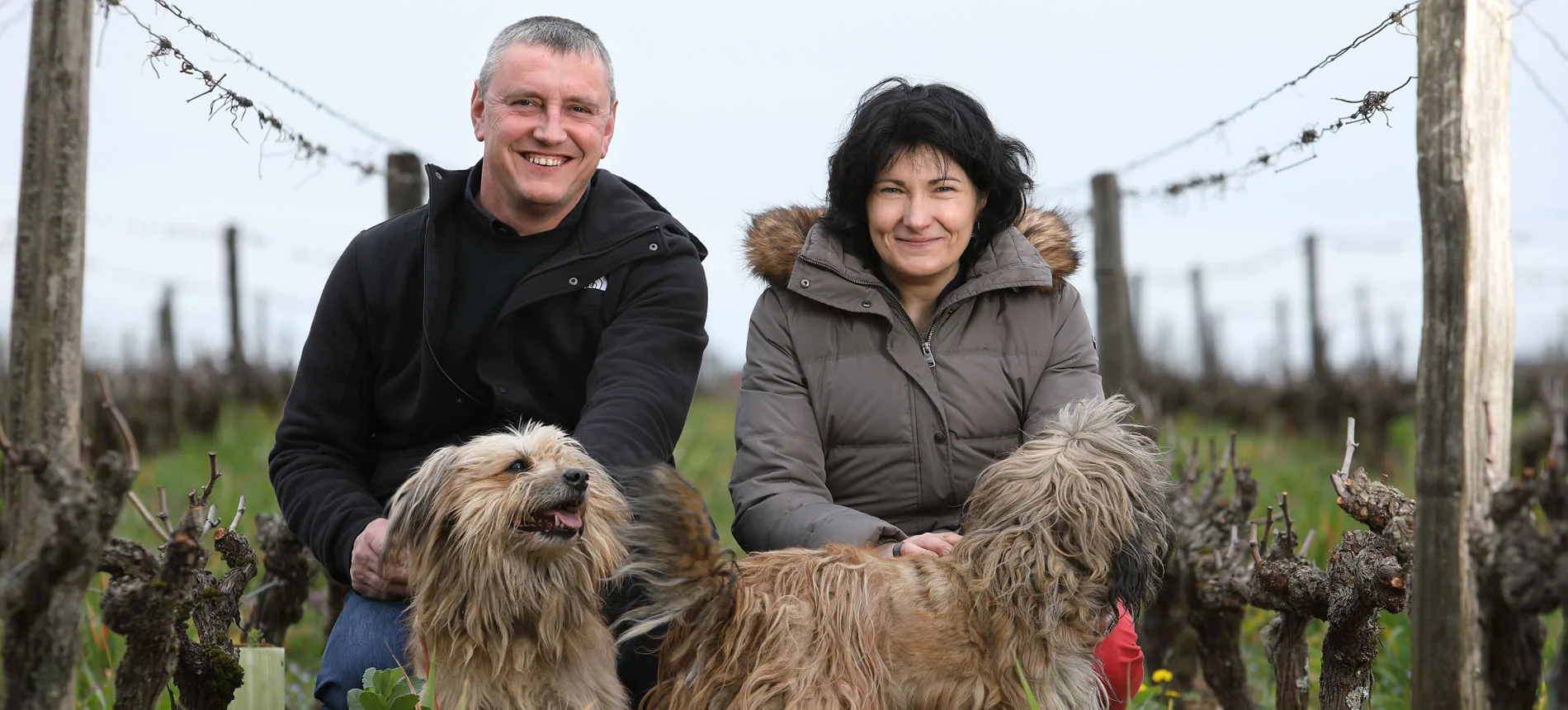
A man in a black jacket and a woman in a grey padded coat kneel among bare old vines with two shaggy dogs in front

Montlouis sits on the opposite bank on similar tuffeau limestone, growing the same grape, and has never carried Vouvray’s name recognition. It sells for about a third of the price.

Both facts point the same way. Appellation is a rule about geography and paperwork, and it was never a measure of quality — which is exactly why this site scores certificates and farming rather than names.

“I vinify my wines parcel-by-parcel using very low intervention.”
François ChidaineOwner, on what he actually does in the cellar, 2022 · iDealwine

Why it’s remarkable

‘Vin de France’
is what his Vouvray has to be called, and it is not about the farming
From the 2014 vintage, Vouvray fruit produced and bottled outside the village may no longer carry the appellation name. Chidaine’s cellar is in Montlouis, across the river and within sight of the vines. His Vouvray is therefore sold under France’s lowest designation — a rule about the address of the press, not about how anything was grown.
1999
he converted the year his parents handed the vines over
His parents retired in 1999 and passed him thirteen hectares; he converted to biodynamics the same year, which was early for the Loire. He has said he was persuaded to farm this way by Didier Dagueneau and by Nady Foucault of Clos Rougéard.
4 to 40
hectares, built up from a standing start in 1989
Chidaine created the domaine in 1989 with four hectares. It now runs to around forty, of which about thirty are Chenin Blanc across Montlouis, Vouvray and Touraine.
A third
of Vouvray’s price, for the same limestone and the same grape
Montlouis sits on the opposite bank with similar tuffeau limestone and the same Chenin Blanc, and has never carried Vouvray’s name recognition. That gap is the single most useful thing to know here for anyone buying rather than collecting.
Independently certified, and checked against the issuing body’s own register. Not a compromise on quality — see how we verify.

Free Bacchus Verification

Track A
Formal third-party certification, confirmed against the issuing body’s own register.

Certified Biodynamic since 1999

Certified1
  • Certified Biodynamic since 1999
Re-verified annually against the issuing body’s register. How re-verification works
The producer’s own sitefrancois-chidaine.com
Producers don’t pay to be here. There is no fee to be listed and no way to buy a higher tier. If the evidence doesn’t hold, the bottle isn’t here.
Flagship
Montlouis "Clos Habert"

If you’re buying

Price
Around US$35 for the flagship bottling. Approximate, and it moves with vintage and market.
Drinking now
Clos Habert drinks well from about three years and holds for fifteen. The sweet styles last far longer.
Serving
Serve at 10–12°C, not ice cold. A larger glass helps. No decanting needed.
Availability
Generally obtainable through specialist retailers.
Tastes like
Dry Chenin with orchard fruit, chalk and real cut. The off-dry and sweet bottlings come from the same certified fruit.
Pairs with
Roast pork, goat’s cheese, or something Thai-spiced with the off-dry.
Price bands are approximate and move with vintage, market and region. They are a guide, not a quotation.

Cheat sheet

Save it to your phone. Everything you need to recognise this producer, and three things worth saying about it, at a glance in a shop or across a table.

67 verified producers in France →

From the Journal

← Domaine DujacThe Verification StandardDomaine Leroy →

More Verified Houses · France

Where to go next

Three more from the cellar, chosen by what is in the glass rather than where it is from.

Millton VineyardsWhite · New Zealand Weingut A. ChristmannWhite · Germany Grgich Hills EstateWhite · United States
↑