Skip to content
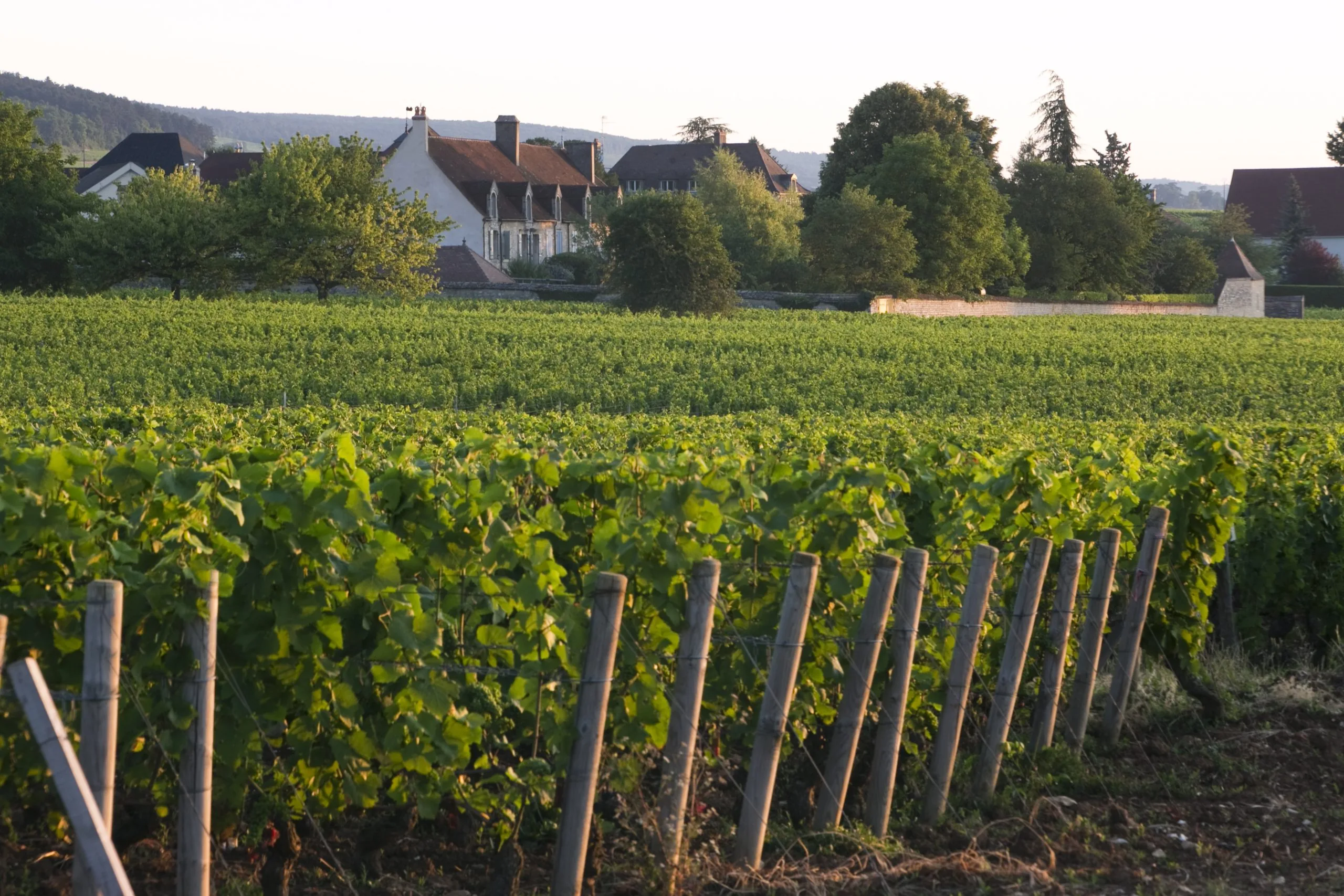
Vine rows on wooden posts with a pale stone wall, trees and tiled-roof houses behind in soft early light
Morey-Saint-Denis, Burgundy, FranceFranceOrganic / Biodynamic-practice Wine

Domaine Dujac

doo-ZHAK · Morey-Saint-Denis is mo-RAY san duh-NEE
Gold TierTypically $200+
Last verified · August 2026

Jacques Seysses left the family biscuit business at twenty-five. In 1968 he bought Domaine Graillet at Morey-Saint-Denis, renamed it Dujac — a contraction of *du Jacques* — and released his first wine in 1969.

The house signature is whole-bunch fermentation, with little or no destemming depending on the vintage: the stems go into the vat rather than being stripped out. That is where the perfume and the structure in these wines come from, and it only works when the fruit is clean enough for the stems themselves to have ripened. Farming and winemaking are a single decision here rather than two.

A fraction of the domaine went organic in 2001, the whole estate followed by 2008, and the domaine dates its certificate to 2011. Jeremy Seysses has been open that the paperwork was never the point — he has said he does not want people buying the wine because it is organic.
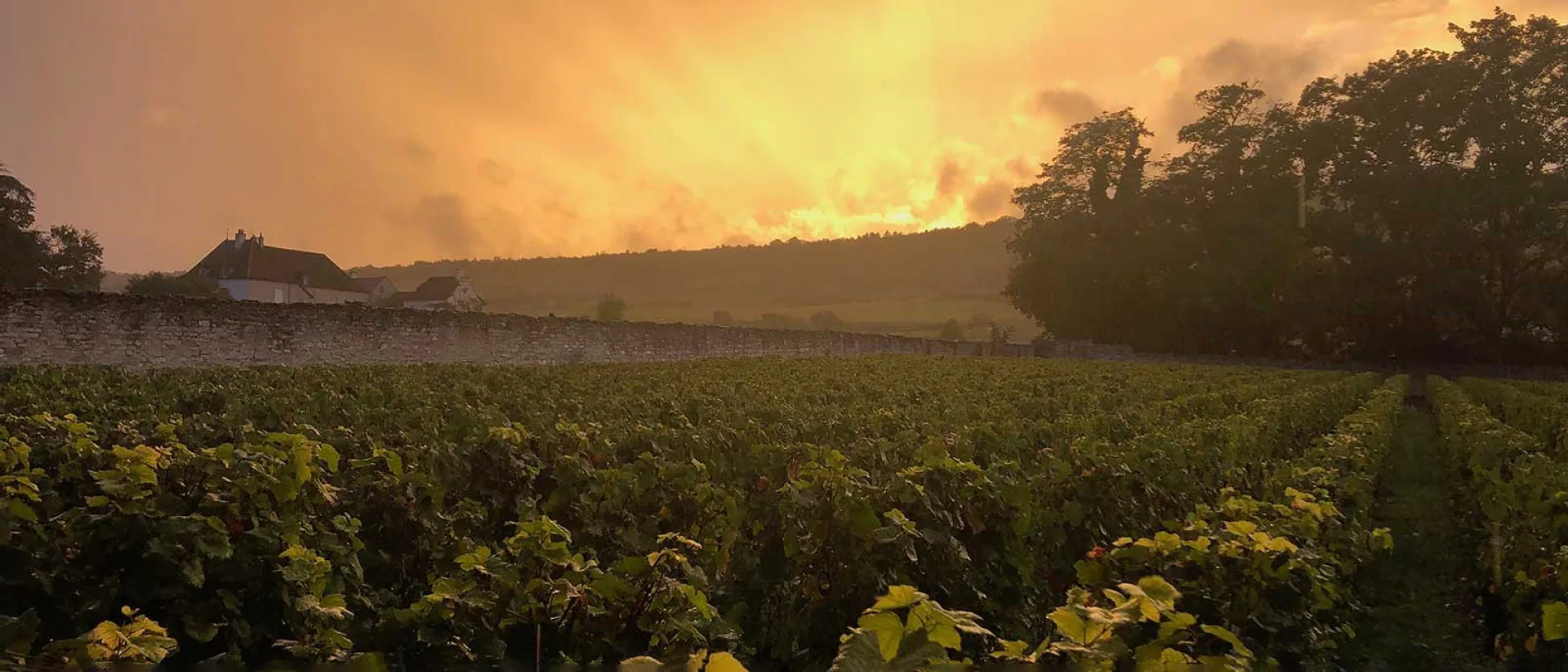
A vineyard with a long stone wall behind the vines under an orange sky, a house and a wooded hill beyond

He has also said that stopping herbicides alone took the domaine ninety per cent of the way, which is an unusually plain account of where the difficulty actually sits.

Biodynamic methods have been used since 2003 without ever being certified. We grade what is certified rather than what is described, so this sits on the organic mark alone — which, on this domaine’s own stated view of certificates, is probably the outcome it would predict.

“…I certainly don’t want people to buy our wine because it’s organic.”
Jeremy SeyssesCo-proprietor, on the paperwork that comes with certification, 2011 · Bergman’s Bourgogne

Why it’s remarkable

2001 to 2011
ten years from the first trial rows to the certificate, by the domaine’s count
A fraction of the domaine went organic in 2001, the whole estate followed by 2008, and the domaine dates its certificate to 2011; the national register records the engagement in August 2009, and the first certified vintage is 2012. Seysses has been open that the paperwork was never the point, and that he would rather people bought the wine because it is good.
Organic only
biodynamic methods since 2003, but no biodynamic certificate
The domaine has used biodynamic practice for over two decades without certifying it. We grade what is certified rather than what is described, which is why this sits on the organic mark alone.
Whole clusters
the stems go in, which only works if the farming is right
Dujac ferments with little or no destemming, depending on the vintage — the house signature, and the source of the perfume and structure in the wines. It only works when the fruit is clean enough for the stems to ripen properly, which makes the farming and the winemaking a single decision.
90 per cent
of the way there, just from stopping herbicides
Seysses has said that stopping herbicides alone took the domaine ninety per cent of the way to organic farming — an unusually plain account of where the difficulty actually sits.
Independently certified, and checked against the issuing body’s own register. Not a compromise on quality — see how we verify.

Free Bacchus Verification

Track A
Formal third-party certification, confirmed against the issuing body’s own register.

Ecocert France organic

Certified1
  • Ecocert France organic, FR-BIO-01 — engaged 25 August 2009, growing and winemaking
Also on record1
  • Biodynamic practice since 2003, not certified — nil on Demeter and Biodyvin
Re-verified annually against the issuing body’s register. How re-verification works
The producer’s own sitedujac.com
Producers don’t pay to be here. There is no fee to be listed and no way to buy a higher tier. If the evidence doesn’t hold, the bottle isn’t here.
Flagship
Clos de la Roche Grand Cru

If you’re buying

Price
Around US$750 for the flagship bottling, which is allocated rather than openly sold. Approximate, and it moves with vintage and market.
Drinking now
Village Morey-Saint-Denis from about five years; Clos de la Roche wants fifteen or more. Allocated at the top of the range.
Serving
Serve at 14–16°C. Decant a young bottle for an hour.
Availability
Allocated — released to a limited list, so expect to wait or hunt.
Tastes like
Perfumed, silky red Burgundy — red cherry, dried herbs and a savoury edge from the stems. Structured rather than heavy.
Pairs with
Roast game birds, mushroom dishes, or a mild washed-rind cheese.
Price bands are approximate and move with vintage, market and region. They are a guide, not a quotation.

Start here instead

Domaine François Chidaine — certified biodynamic Loire Chenin at around $35, from a producer you can actually buy without an allocation.

Cheat sheet

Save it to your phone. Everything you need to recognise this producer, and three things worth saying about it, at a glance in a shop or across a table.

67 verified producers in France →

From the Journal

← Château Smith Haut LafitteThe Verification StandardDomaine François Chidaine →

More Verified Houses · France

Where to go next

Three more from the cellar, chosen by what is in the glass rather than where it is from.

Tenuta delle Terre NereRed · Italy Greystone WinesRed · New Zealand Domaine Cécile TremblayRed · France
↑