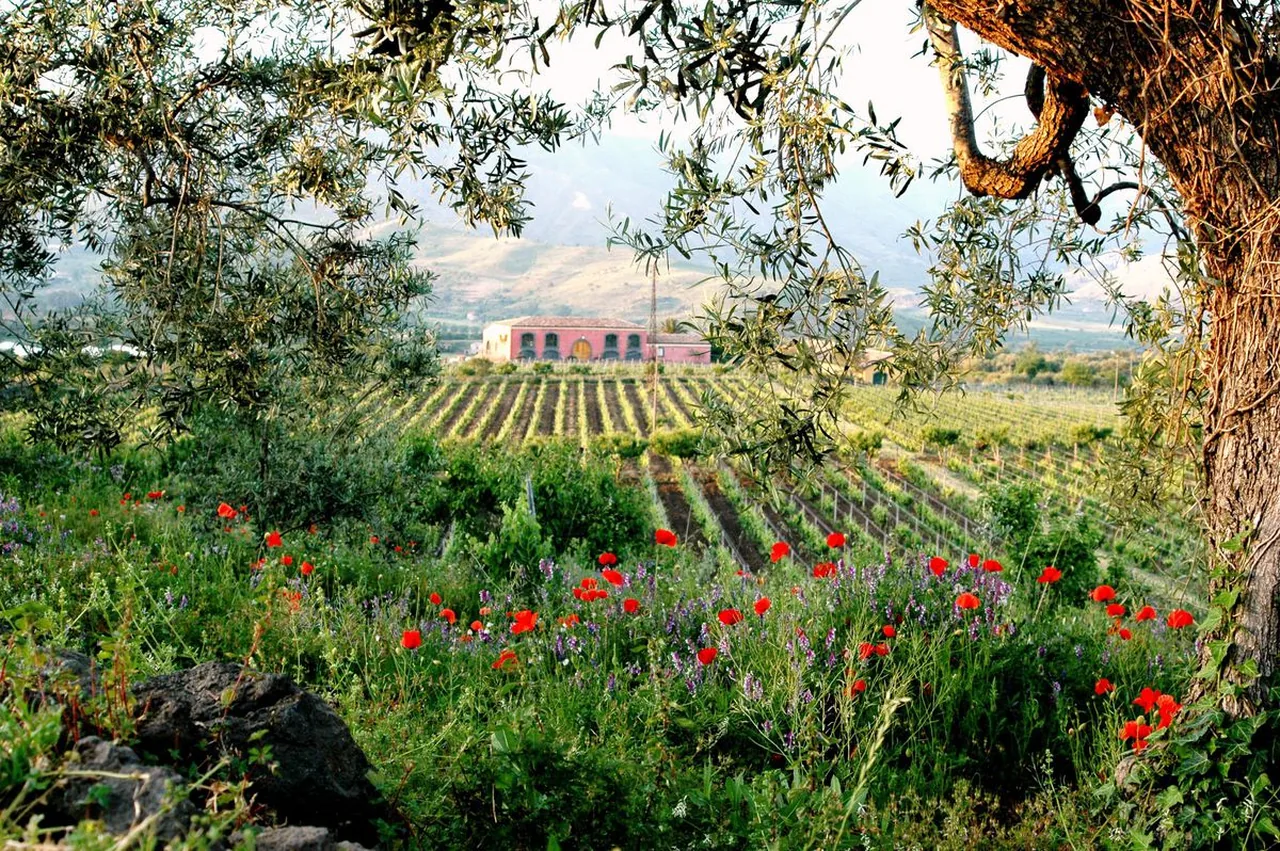
Tenuta delle Terre Nere
The Free Bacchus Story
On Etna, two vineyards separated by a few hundred metres of altitude can differ as profoundly as two villages on the Côte de Nuits. The mountain changes that fast — soil, exposure, elevation, the age of the lava flow underneath.
Marco de Grazia recognised it and built an estate around the observation. Founded in 2002 after a career importing Italian wine to the United States, Tenuta delle Terre Nere holds a patchwork of small parcels across Etna's northern face, each certified organic by Ecogruppo Italia, each bottled separately, predio by predio, on borrowed Burgundian logic applied to a volcano.
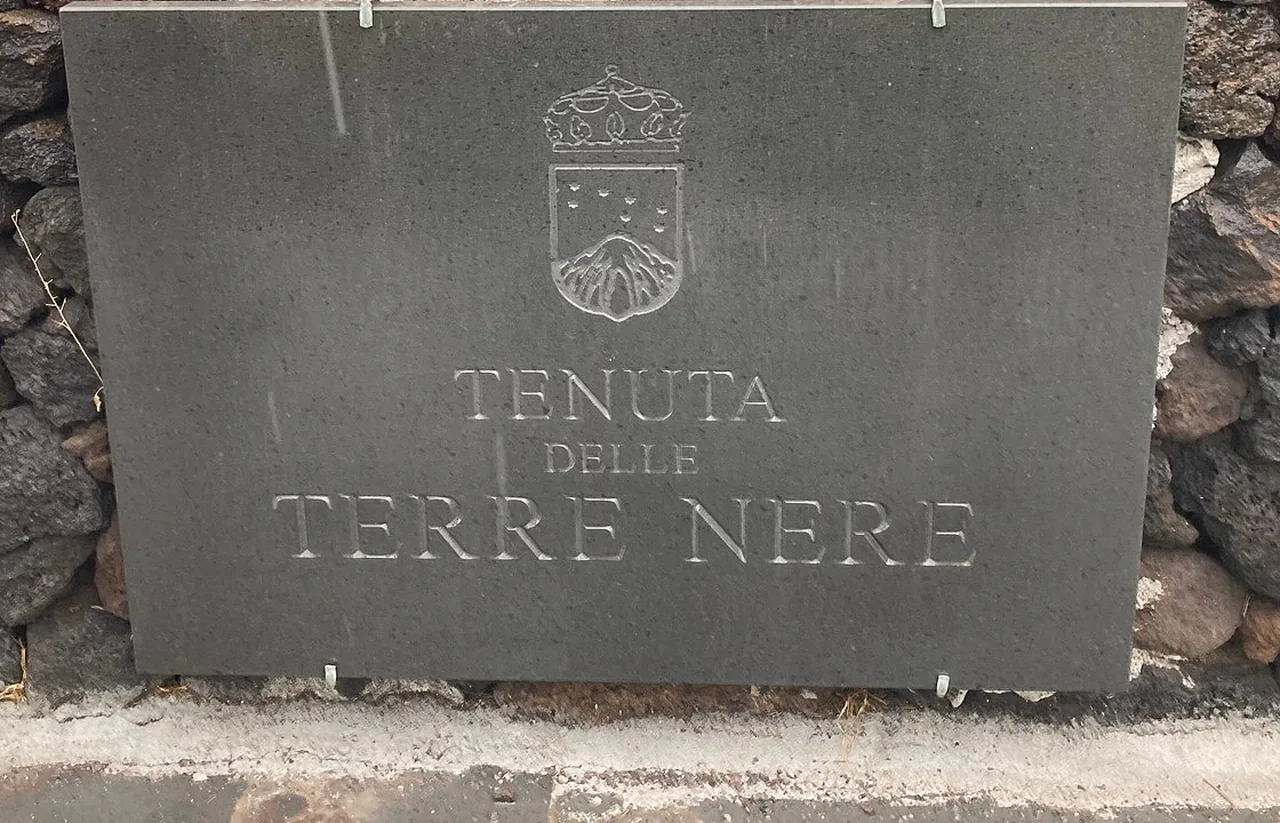
One parcel is bottled as La Vigna di Don Peppino, after the farmer who tended those rows for close to seventy years.
The wines have drawn 96 points from Wine Advocate across multiple single-vineyard bottlings, with Calderara Sottana and Santo Spirito most consistently celebrated. The entry-level Etna Rosso carries identical farming and is among the more persuasive arguments in Italian wine that quality and accessibility are not opposed.
A word on what Etna actually pours, because the island's reputation gets in the way. Sicily is filed under big, dark, sun-baked reds and Etna makes very nearly the opposite. The grape is Nerello Mascalese, pale enough in the glass to read a label through, built on red cherry with a faint ash note off the volcanic soil and a tannin that is fine rather than heavy. If the Burgundy comparison above means nothing to you, the practical version is that it drinks light, cool and savoury — closer to good Pinot Noir than to anything an island this far south is supposed to make.
Terre Nere is now among the first names a serious Italian buyer reaches for when Etna comes up, which it does increasingly often. The single-vineyard approach is the reason: it made the mountain's variation legible to people who had never stood on it.
Why it’s remarkable
Free Bacchus Verification
Ecogruppo Italia EU organic
Certified1
- EU organic, Ecogruppo Italia (IT-BIO-008): grapes and wine, certificate IT-BIO-008.380-0107122.2025.001, Contrada Calderara, to 25 September 2028
If you’re buying
Cheat sheet
Save it to your phone. Everything you need to recognise this producer, and three things worth saying about it, at a glance in a shop or across a table.