Pyramid Valley
The Free Bacchus Story
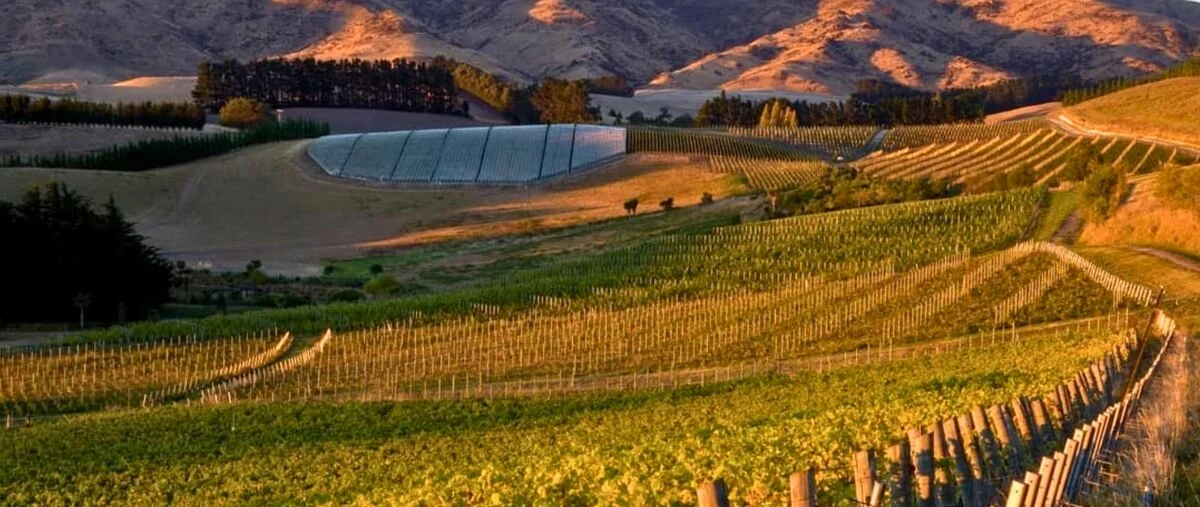
Mike Weersing and Claudia Elze spent fifteen years looking for clay over limestone before they bought anything at all. The search ended at Waikari in 2000, and the entire estate exists because of a soil decision taken before a single vine went in.
They then planted at 10,000 to 12,000 vines a hectare, a planting that, one visiting critic wrote, looked like nothing else he had seen in New Zealand. High density forces the vines to compete with each other for water and nutrients, and it multiplies every per-vine job in the vineyard, from pruning and training to picking. Nothing about it is cheaper and nothing about it is easier.
It was established biodynamic from inception rather than converted later, one of the approaches that made Weersing a pioneer in New Zealand. Four small named blocks on a clay-over-limestone amphitheatre were farmed to strict biodynamic principles from the beginning. There was nothing to undo, which is a materially different proposition from converting an existing vineyard.
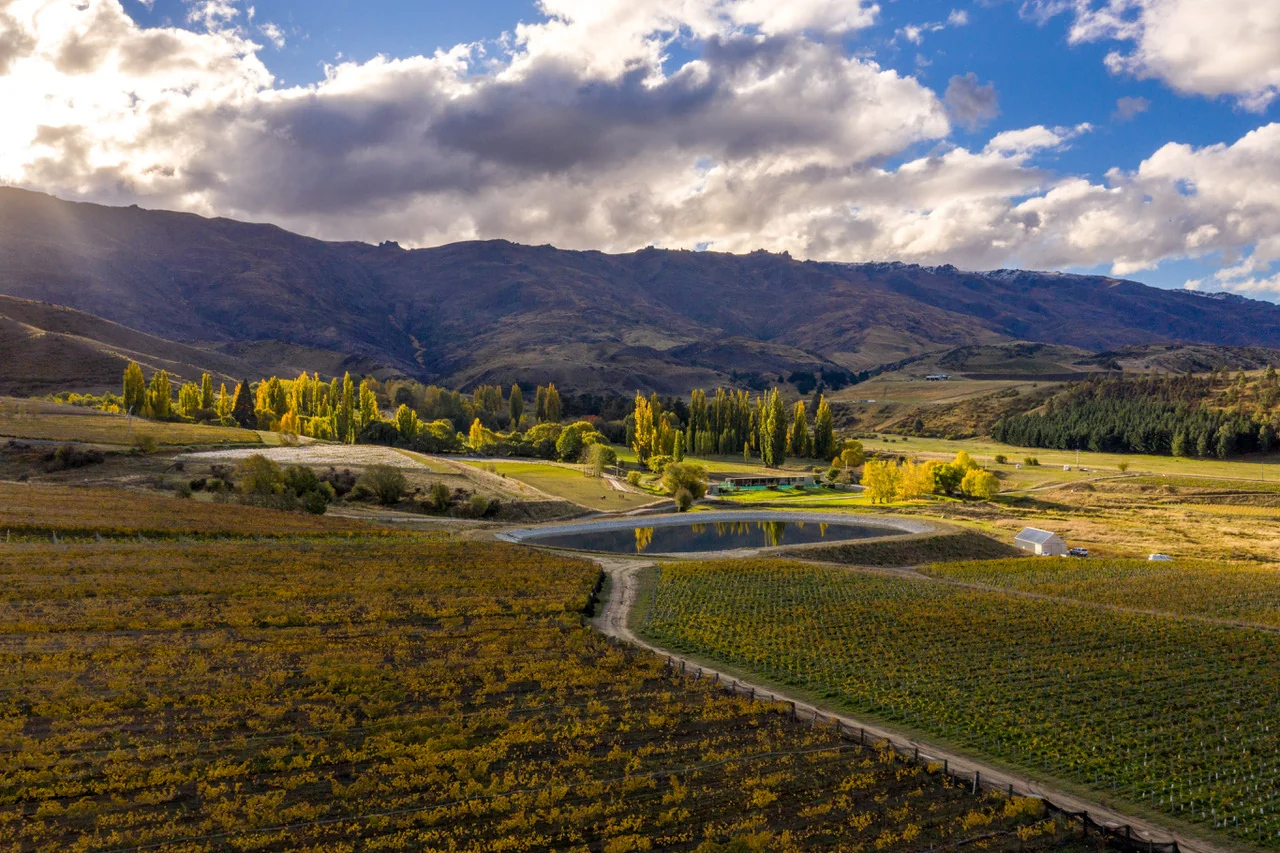
Weersing died in 2020. Pyramid Valley has been owned since 2017 by Brian Sheth and Steve Smith MW, who added new plantings at Waikari in 2018. It is certified organic by BioGro; the biodynamic farming continues, uncertified.
Whether a founder’s system survives a change of ownership is a question no certificate answers. It is worth asking of any estate built around one person’s conviction, and this one was built around a conviction about soil that took fifteen years to act on.
Why it’s remarkable
Free Bacchus Verification
BioGro certified organic
Certified1
- BioGro certified organic — licence 5977, Aotearoa New Zealand Fine Wine Estates LP, valid to 28 February 2027, the Waikari and Low Burn estates; Angel Flower among the certified wines
Also on record1
- Farmed biodynamically, not biodynamic-certified: no Demeter record
If you’re buying
Cheat sheet
Save it to your phone. Everything you need to recognise this producer, and three things worth saying about it, at a glance in a shop or across a table.