Skip to content
Burn Cottage
Pisa Range foothills, Central Otago, New ZealandNew ZealandBiodynamic Wine

Burn Cottage

burn COT-ij · Central Otago is oh-TAH-go
Gold Tier
Last verified · August 2026
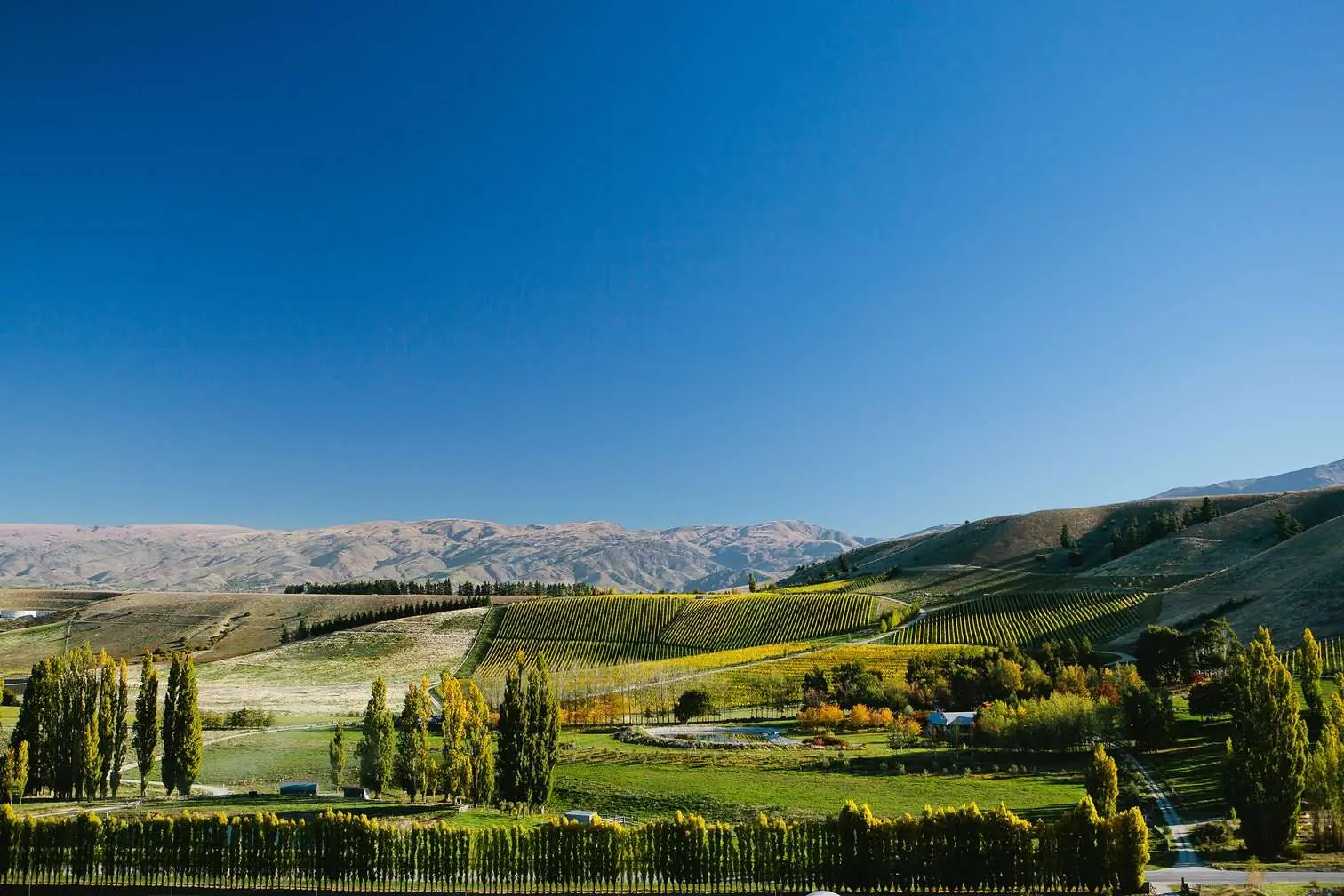
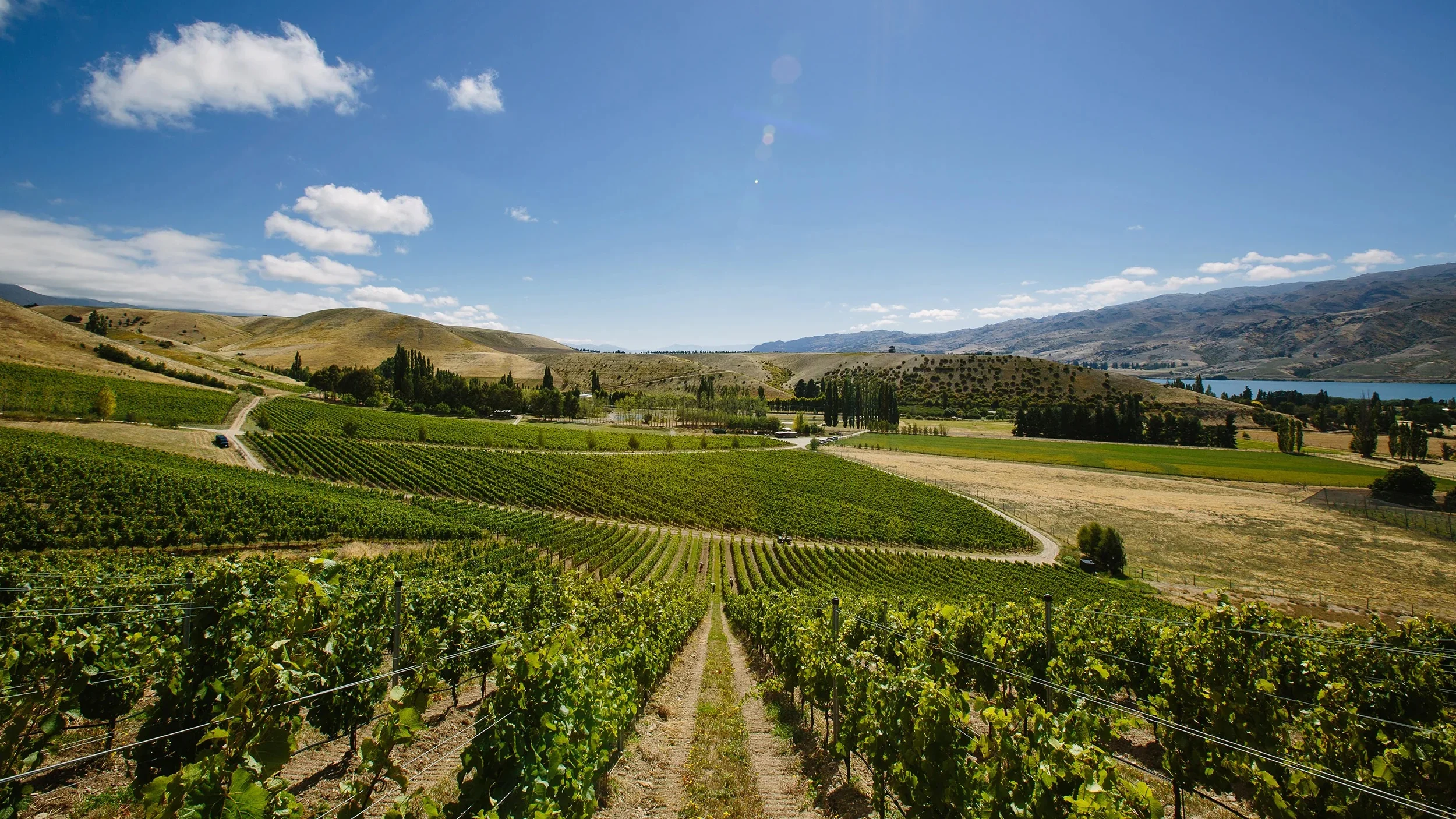
Burn Cottage, in the Pisa Range foothills, Central Otago, New Zealand.

The property was a deer farm before it was a vineyard. When the Sauvage family bought it in 2002 they planted vines on land that had never carried them, which meant the biodynamic system could be designed into the site rather than retrofitted onto an existing one.

Ted Lemon of Littorai consulted on the project from the start, bringing the Burgundian approach he had trained in. BioGro organic certification followed in 2014; the biodynamic practice dates from inception.

Burn Cottage
Eleven hectares of vines sit inside twenty hectares of mixed farmland carrying cattle, sheep and chickens.

The Sauvage family are cotton and wheat growers from Oberlin, Kansas. They arrived in Central Otago already knowing what a farm is, and Ted Lemon proposed farming the whole estate biodynamically at the first planning conversation, before a single vine went in.

Decanter has awarded Gold. Central Otago is the southernmost wine region in the world, and its Pinot Noir gets its structure from a short growing season and an enormous day-to-night temperature swing rather than from heat.

Starting clean is easier than getting clean. Very few estates get the option, and it shows in how quickly the soil work here matured.

Why it’s remarkable

Before a single vine
the biodynamic system was designed in, not retrofitted
The Sauvages bought the property unplanted in 2002, and Ted Lemon proposed farming the whole estate biodynamically at the first planning conversations — before anything went into the ground in 2003. Almost every other estate has to convert an existing vineyard; this one never had to undo anything.
11 and 20
hectares of vineyard, and hectares of farm around it
Eleven hectares of vines, mostly Pinot Noir, sitting inside twenty hectares of mixed farmland carrying cattle, sheep and chickens. The livestock are part of how the fertility is made, not scenery for the cellar door.
Kansas
the owners were farmers a long time before they were vignerons
The Sauvage family are American midwest cotton and wheat growers from Oberlin, Kansas. They came to Central Otago already knowing what a farm is, which is a less common starting point in fine wine than it sounds.
Proctor and Lemon
New Zealand’s biodynamic authority and a Burgundy-trained American
Peter Proctor advised on the biodynamics; Ted Lemon of Littorai consulted on the Pinot Noir, having trained in Burgundy at Domaine Dujac — also on this site. The thinking came from two directions at once and was applied to bare ground.

Free Bacchus Verification

Track A
Formal third-party certification, confirmed against the issuing body’s own register.
Re-verified annually against the issuing body’s register. How re-verification works
Flagship
Burn Cottage Vineyard Pinot Noir
Best award
Gold · Decanter

If you’re buying

Price
Around US$75 for the flagship bottling. Approximate, and it moves with vintage and market.
Drinking now
Drinks well from about three years and holds for a decade. The second-label bottling is ready sooner.
Serving
Serve at 14–16°C, cooler than most reds. Decant a young bottle briefly.
Availability
Generally obtainable through specialist retailers.
Tastes like
Central Otago Pinot Noir with lift rather than weight — dark cherry, wild thyme and fine tannin. Structured by cold nights, not by heat.
Pairs with
Roast duck, mushroom dishes, or a soft washed-rind cheese.
Price bands are approximate and move with vintage, market and region. They are a guide, not a quotation.

Cheat sheet

Save it to your phone. Everything you need to recognise this producer, and three things worth saying about it, at a glance in a shop or across a table.

← ParanubesThe Verification StandardPyramid Valley →

More Verified Houses · New Zealand