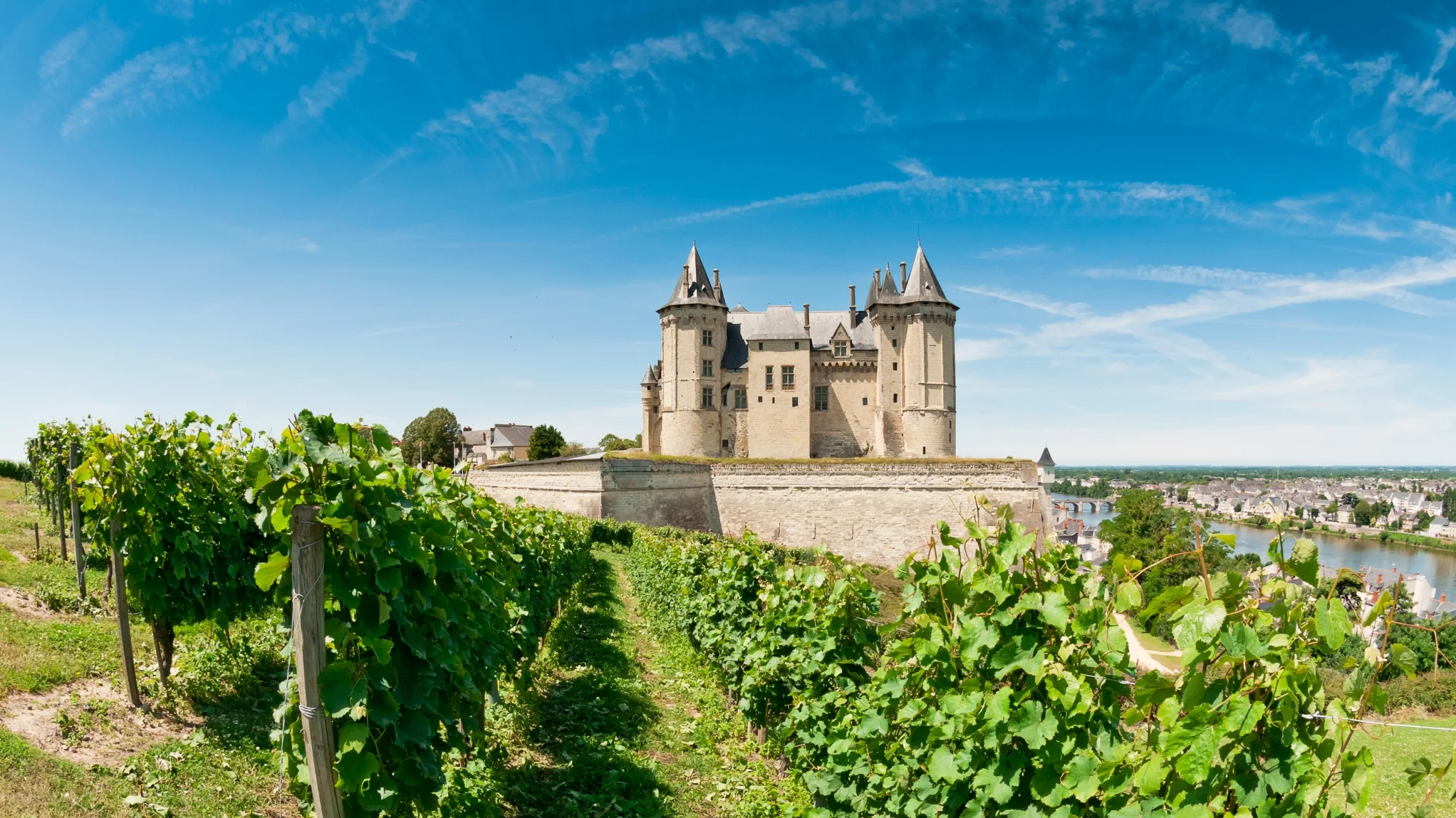
Ceretto
The Free Bacchus Story
In 2009 Ceretto hired the consultant Adriano Zago to begin converting the vineyards, and started him on the Barolo and Barbaresco crus. Estates that convert usually begin on their cheapest ground and work up. This one began on the vineyards it could least afford to lose.
The company was founded by Riccardo Ceretto in 1937 and made its name under his sons Bruno and Marcello, whom Wine Spectator called the Barolo Brothers in 1986. They were among the first to bottle single-vineyard Barolo and Barbaresco, in 1974, when the region's wine was still largely assembled from multiple sites — and they also made Blangè, one of the most commercially successful Italian whites of the following two decades.
The architecture followed the same instinct. The Bricco Rocche winery at Castiglione Falletto went up in 1982 and was extended in 2000 with a glass cube set among the vines; the Acino, a pod shaped like a single berry, was added in 2009.
Organic farming dates from 2010 and the certificate runs from the 2015 vintage. Around 130 hectares are farmed biodynamically with no certificate at all, the house preferring its own standard to a dictated one.
That preference costs it points here. Free Bacchus scores what a registry will confirm, so 130 hectares of biodynamic farming contribute nothing to the number. Declining to certify is a defensible position; it is not a free one.
Why it’s remarkable
Free Bacchus Verification
Certified Organic from the 2015 vintage
Certified1
- Certified Organic (from the 2015 vintage)
Also on record1
- Biodynamic practice, not certified
If you’re buying
Cheat sheet
Save it to your phone. Everything you need to recognise this producer, and three things worth saying about it, at a glance in a shop or across a table.