Skip to content
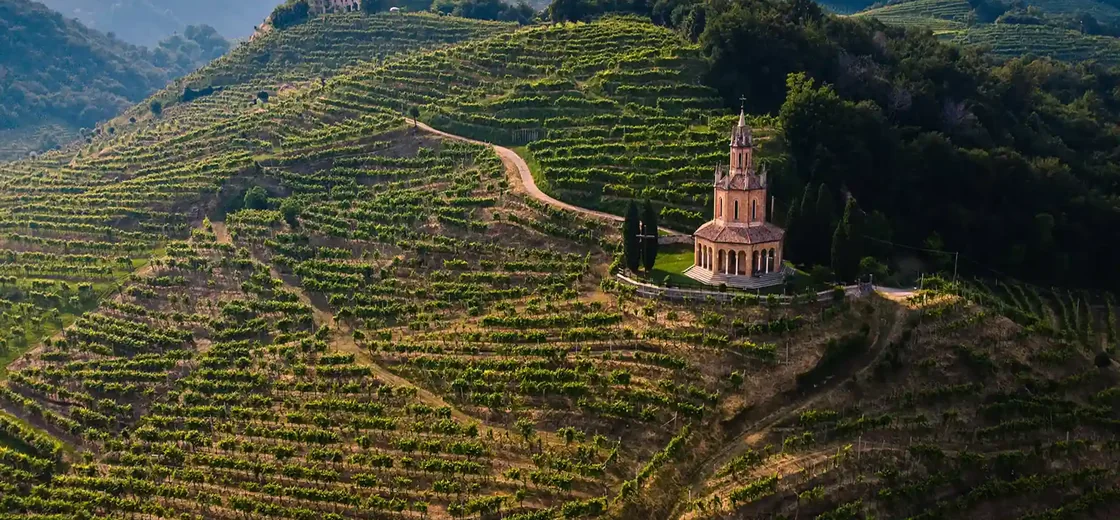
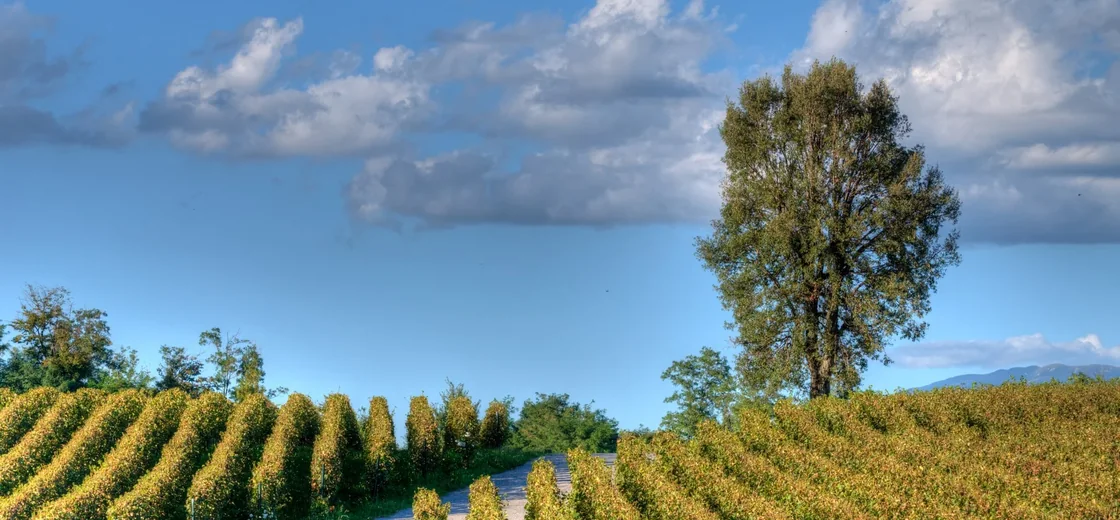
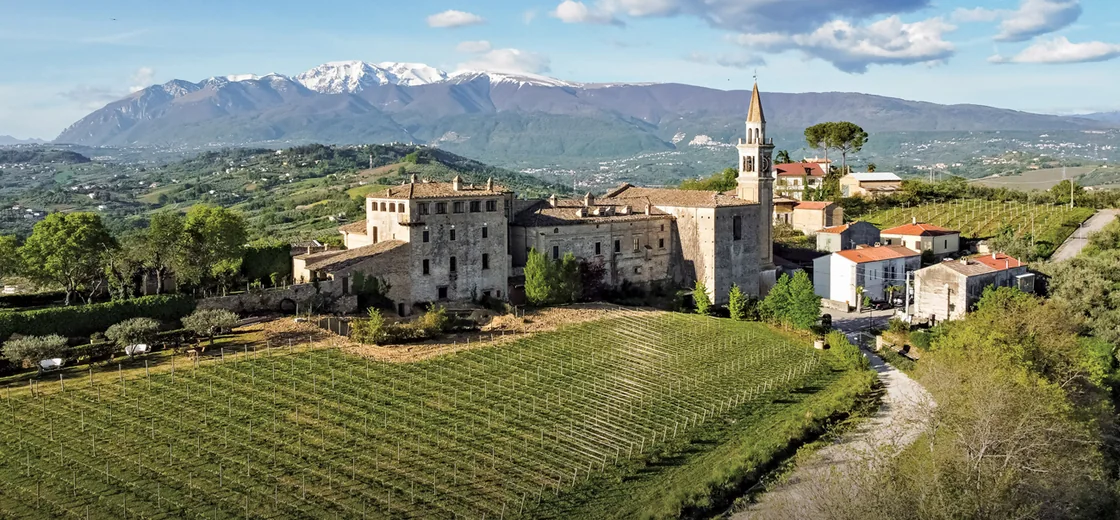
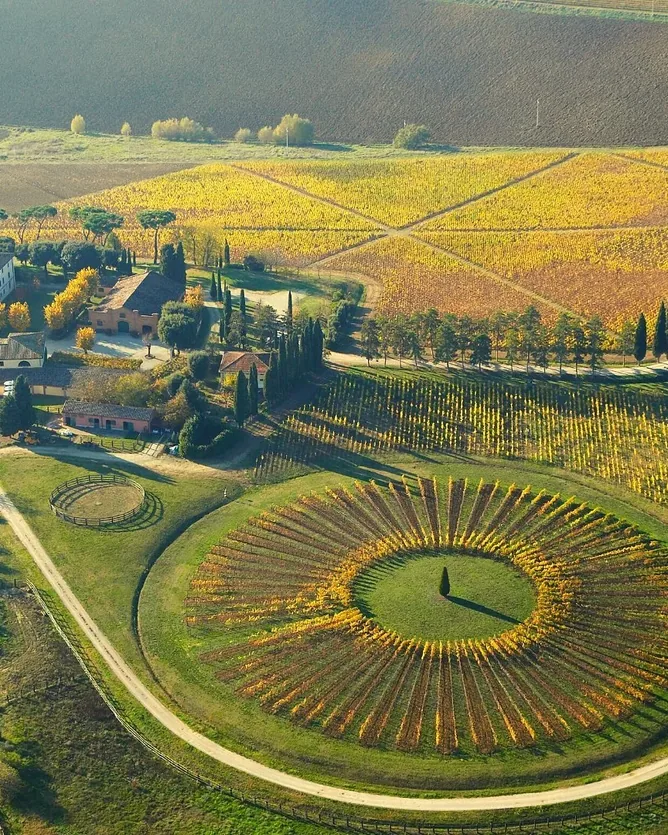
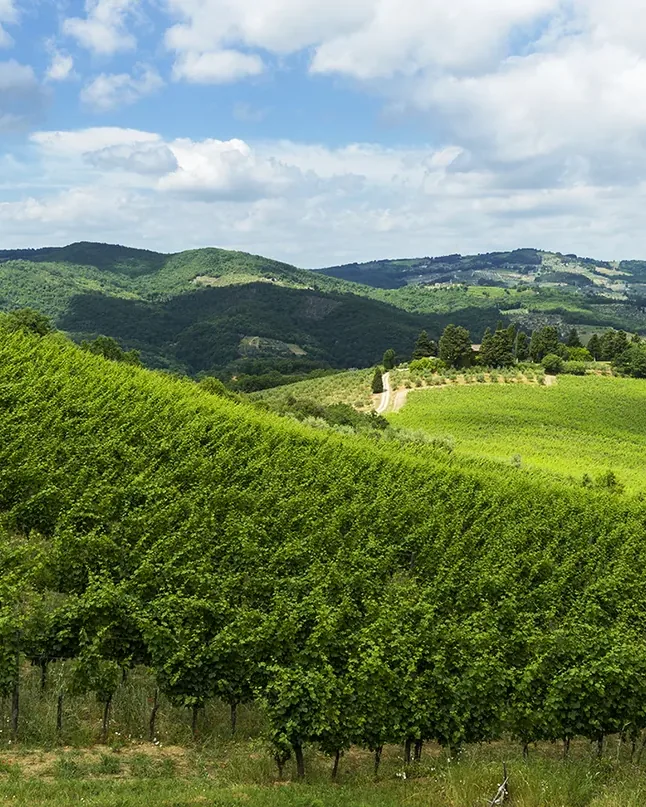
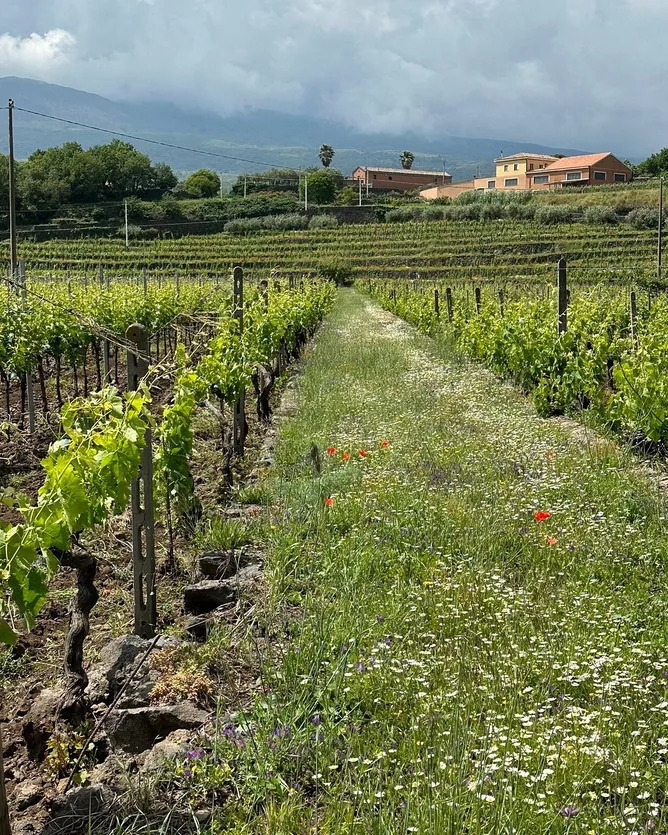
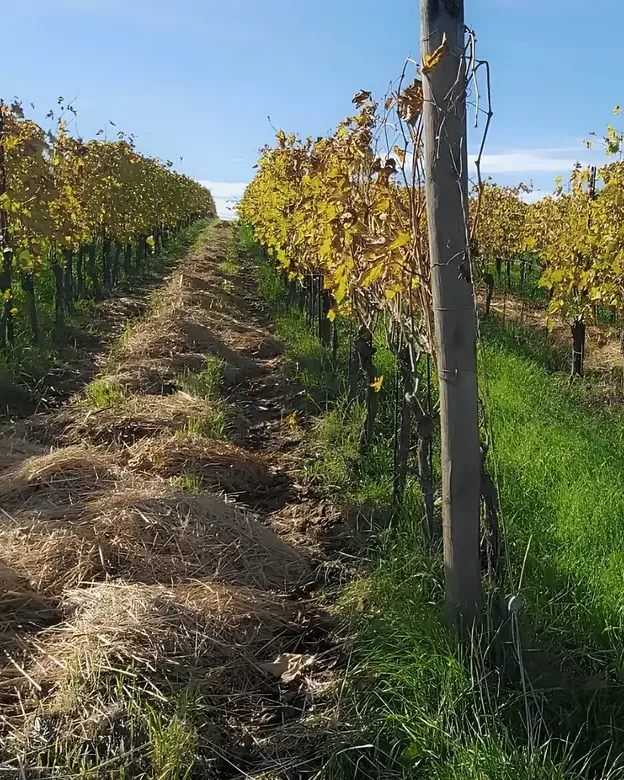
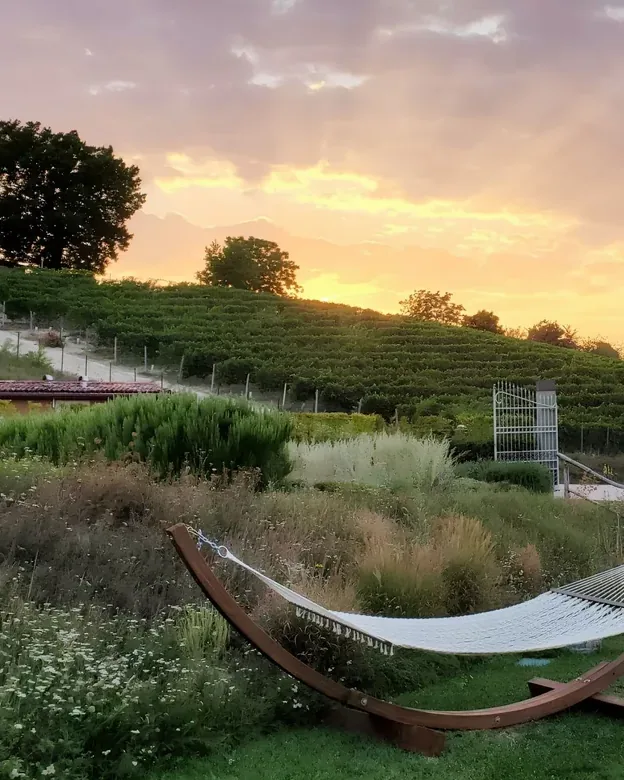
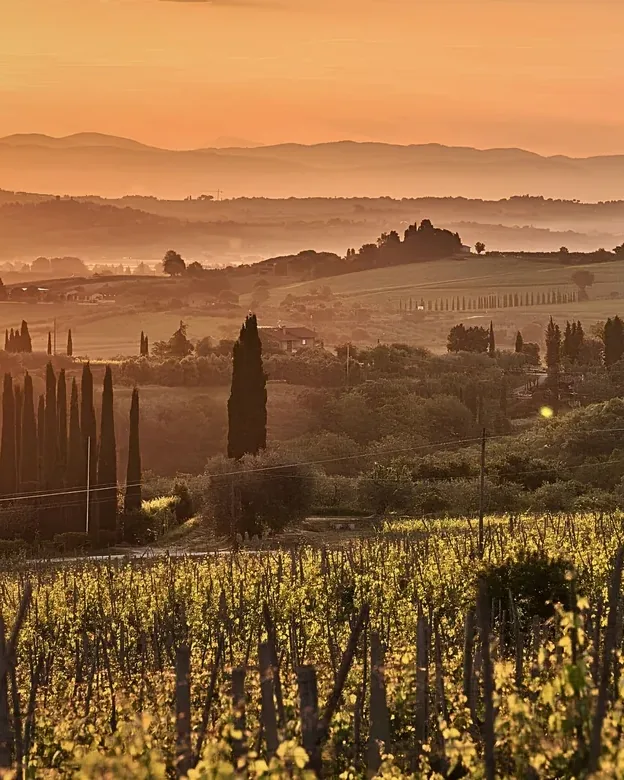
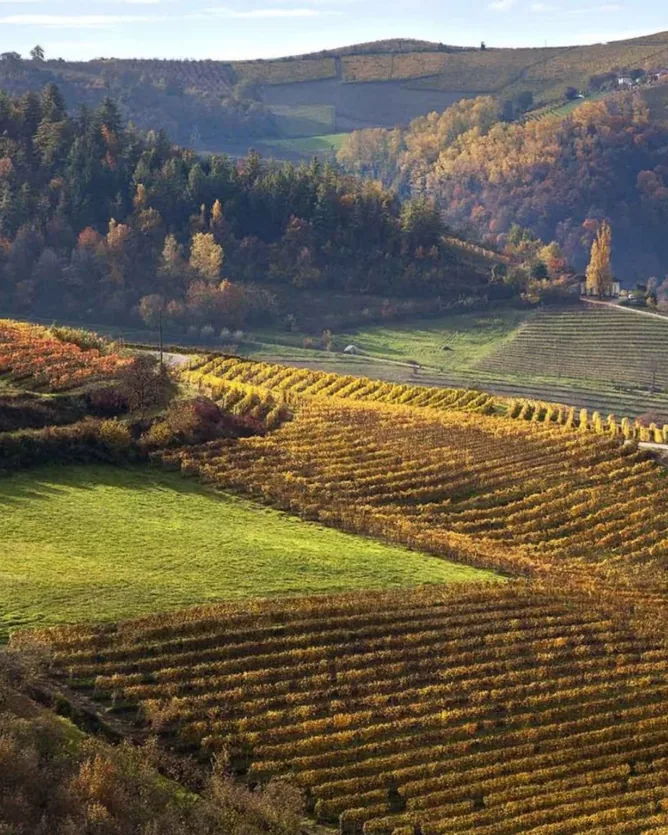
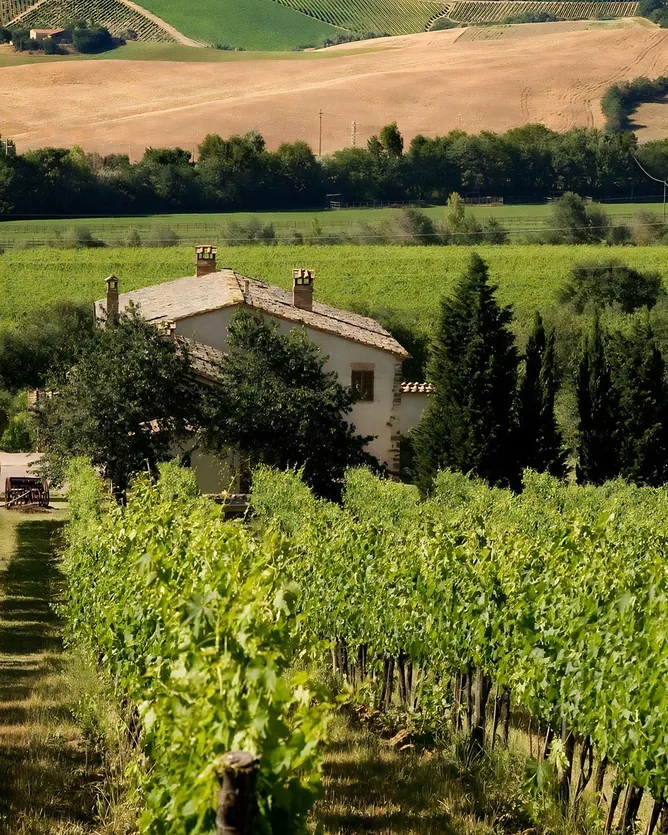
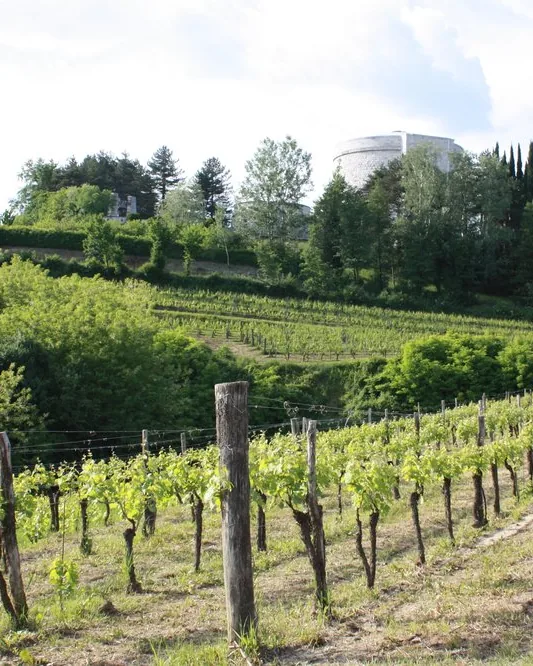
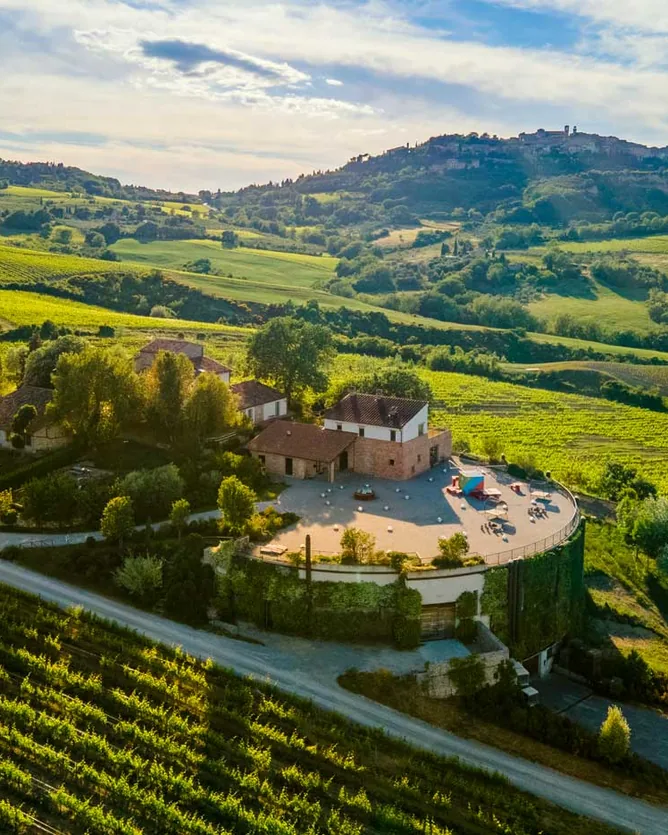
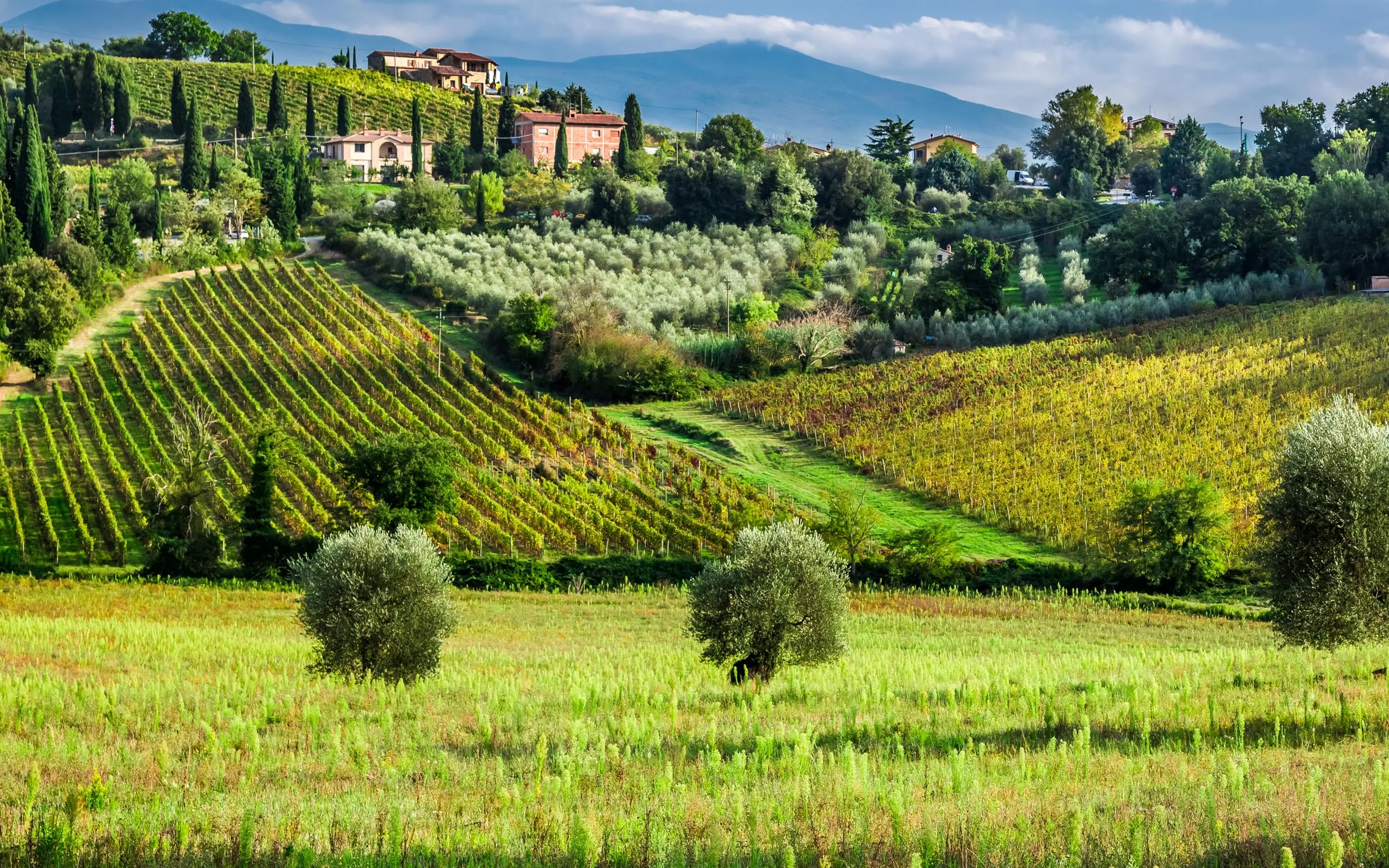
Vineyard rows and olive groves on rolling hills, cypresses and stone farmhouses along the ridge, a mountain behind under cloud

Free Bacchus Country Guide·Italy

Italy farms a quarter of its vineyard organically.
The label says so on six per cent

Italy has 133,000 hectares of vineyard in organic farming, 22.6 per cent of its national area, on ISMEA’s count, a little over three quarters of it through conversion and fully certified. Six per cent of its wine is sold as organic. What happened in the field and what the bottle admits to are two different things here.

What this guide is for

A country at a time: the major wine regions of the world, what the ground and the weather do to what is grown in them, and which growers inside them we have verified. None of it is settled. Growing seasons are shifting, and the chemistry most vineyards reach for to hold steady against that is made from fossil fuels and takes energy to manufacture — while a warmer, wetter season brings more disease, and more disease brings more spraying. Every estate on these pages farms without synthetic pesticides. That is what their certification means, and it is the part we check.

The ground

No Italian style. Only places.

Italy grows wine from the Alps to an active volcano. The estates below run from the German-speaking end of the Adige valley, where the vines sit on a flat floor under limestone walls, to the broken lava on Etna and the red sand of the far south-east, which is about as far south as Tunis. There is no Italian style to learn. There are only places, and they disagree with each other.

Where they are FRANCE SWITZERLAND AUSTRIA SLOVENIA CROATIA TUNISIA Milan Florence Rome Naples Palermo Tuscany Piedmont Veneto Sicily Puglia Emilia-Romagna Lombardy Trentino-Alto Adige Friuli-Venezia Giulia Campania Basilicata Abruzzo Marche Umbria Sardinia
Boundary from public-domain country data, simplified for the web and corrected for latitude so the shape is not stretched. Sicily and Sardinia are drawn because the country is not only its mainland; the copper markers sit at the real coordinates of each wine region.

Sold with an organic label6%

What is unusual is how little of that reaches the label. Italy had 133,000 hectares in organic farming in 2022, 22.6 per cent of the national area, on the agricultural statistics office’s own count, with 76.5 per cent of that area through the conversion period and carrying the certificate. Six per cent of Italian wine is sold as organic. Nearly a quarter of the vineyard is farmed one way; the bottle mentions it on one in sixteen.

That gap is uneven. Sicily and Tuscany hold more organic vineyard than any other Italian region, 36,937 hectares and 22,802 respectively, and eight of the estates below are in those two. We did not arrange that. It is where the farming already was.

No Single Mark

The certificates behind them come from six different bodies — ICEA, Ecocert, Suolo e Salute, Demeter, respekt-BIODYN and Biodyvin — and three name no body at all. That fragmentation is normal in Italy, and it is the practical reason a label helps so little: there is no single mark to look for, only a register to check.

Region by region

Fifteen regions, and they disagree with each other

Tuscany, Italy

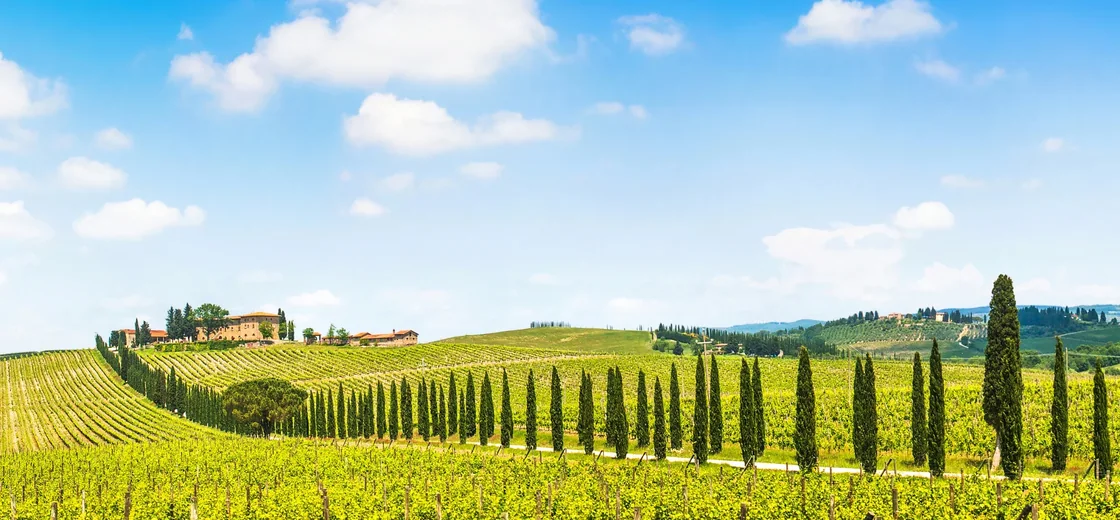
Tuscany

Sangiovese country, and the grape changes its mind depending on where it is standing. In Chianti Classico it is bright and savoury. In Montalcino it is called Brunello and takes more weight and more time in wood. Around Montepulciano it goes by Prugnolo Gentile. Three names, one grape, three quite different wines, and nothing on the label explains that to you.

11 verified producers here.
Piedmont, Italy

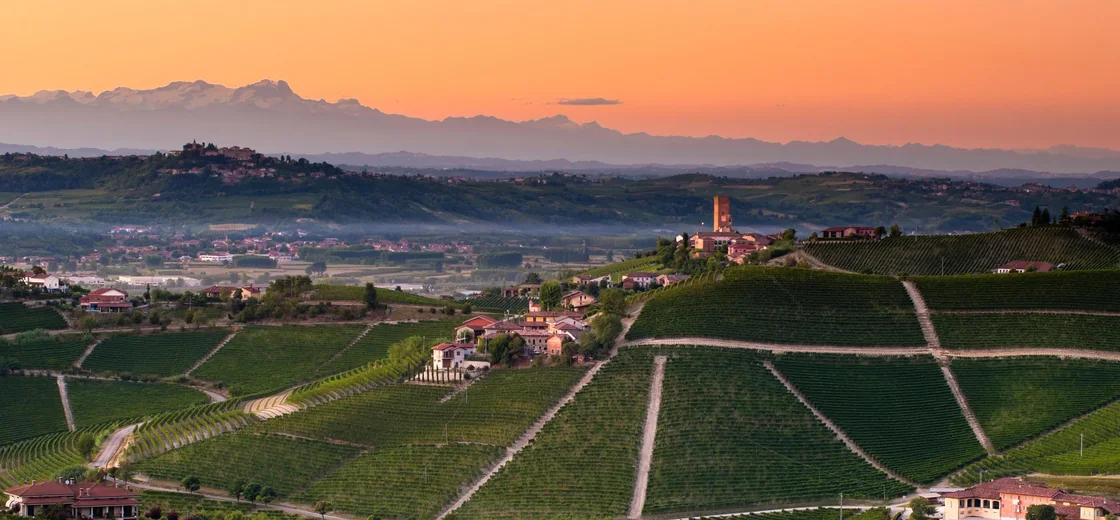
Piedmont

The north-west, up against the French Alps, where autumn fog fills the valleys and the hills above it stay clear. Nebbiolo is the grape that matters and it is late-ripening and thin-skinned: pale in the glass, high in acid and tannin, and nowhere near as soft as its colour suggests. Barolo and Barbaresco are two villages’ worth of it, aged long enough that a young bottle is hard work and an old one is the argument for the whole region.

5 verified producers here.
Veneto, Italy

Veneto

The biggest producer of DOC wine in the country, and the region that gave the world Prosecco, which is now made in such quantity that it obscures everything else here. Behind it: Valpolicella in the hills above Verona, where grapes are dried on racks for months before they are pressed to make Amarone, and Soave on old volcanic ground next door, which at its best is nothing like the thin white it was sold as for thirty years.

No verified producer here yet.

Sicily, Italy

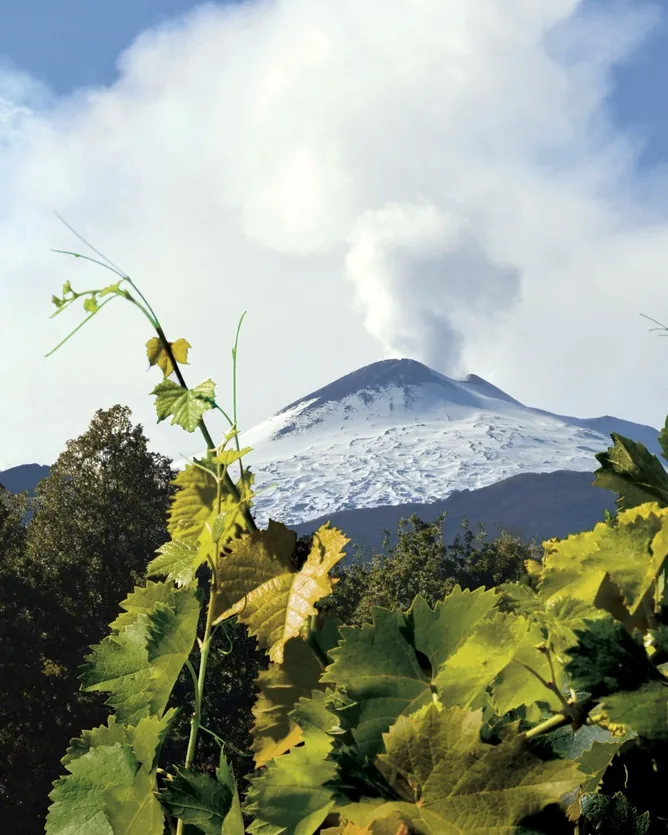
Sicily

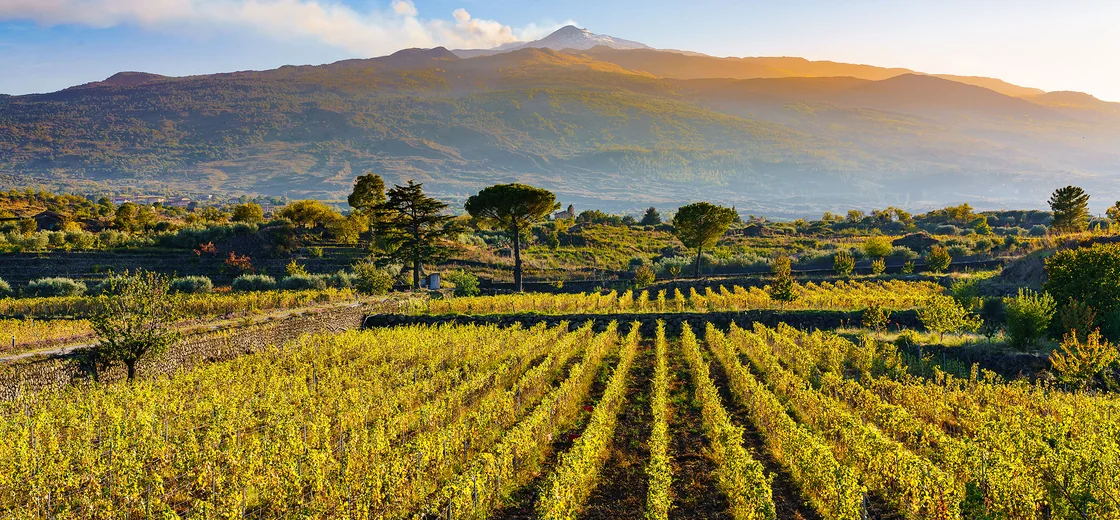
A continent in itself, and the two places on this page could not be less alike. Etna is a working volcano with vineyards up its flanks to a thousand metres, on black ash and old lava, growing Nerello Mascalese into something pale and nervy that people compare to Burgundy and should not. Vittoria is down on the flat south-east on red sand over limestone, and makes the only DOCG on the island: Frappato and Nero d’Avola together, light and floral and drunk cool.

7 verified producers here.
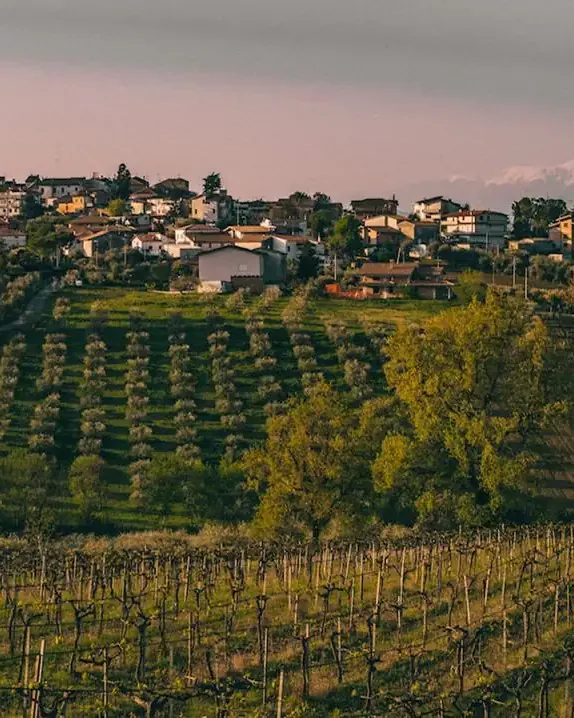
Puglia, Italy

Puglia POOL-ya

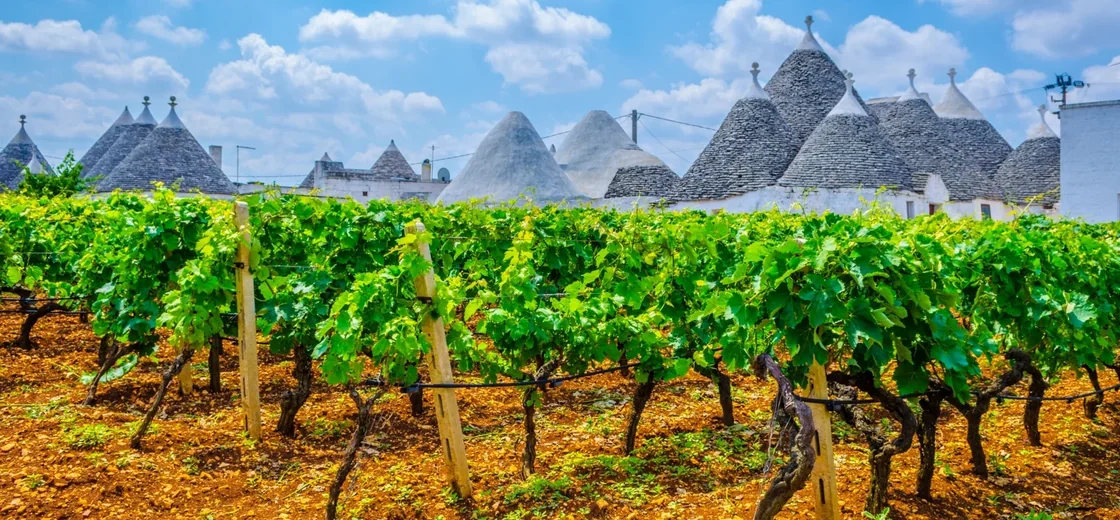
The heel, flat and hot and enormous — for most of the last century its wine went north in tankers to give thin northern blends some colour and alcohol. What it kept through all of that were its own grapes: Primitivo, which is the same variety as Zinfandel, and Negroamaro, and the bush-trained old vines around Manduria that nobody bothered to pull out.

No verified producer here yet.

Emilia-Romagna, Italy

Emilia-Romagna

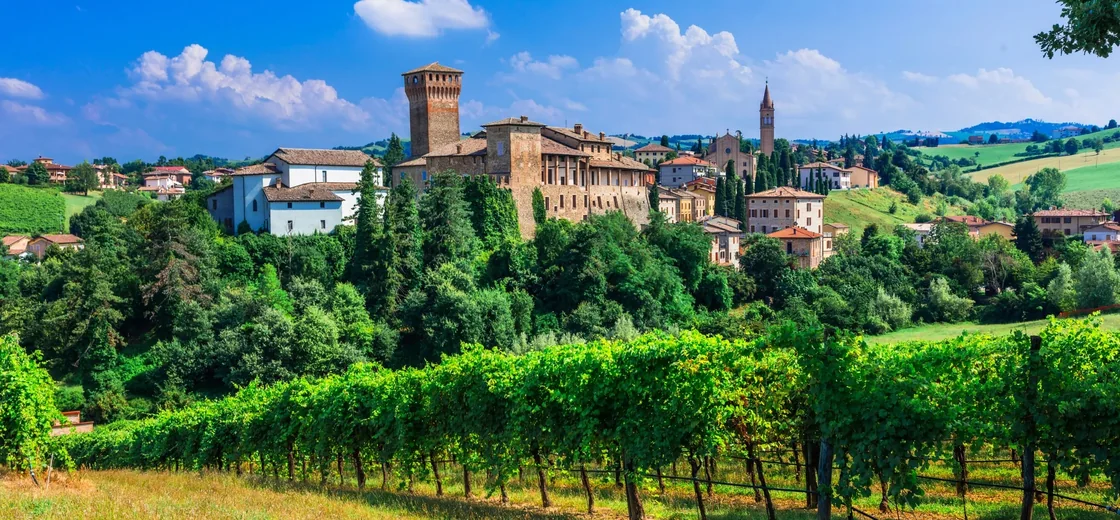
Better known for what is eaten there than for what is drunk. Lambrusco is the region’s wine and its reputation is still recovering from the sweet industrial version exported in the 1970s; the dry ones made properly are a different drink entirely, and they are built for the food. Sangiovese di Romagna covers the hills in the east, in the shadow of Tuscany over the ridge.

No verified producer here yet.

Lombardy, Italy

Lombardy

The industrial north, and two wine regions inside it that have nothing to do with each other. Franciacorta makes bottle-fermented sparkling wine on moraine left by a glacier, in a style that answers to Champagne rather than to Prosecco. Valtellina is a hundred kilometres north-east, a single Alpine valley running east to west with Nebbiolo on terraces up its sunny side, at an altitude that makes the Langhe look comfortable.

1 verified producer here.

Trentino-Alto Adige, Italy

Trentino-Alto Adige tren-TEE-no AL-toh AH-dee-jeh

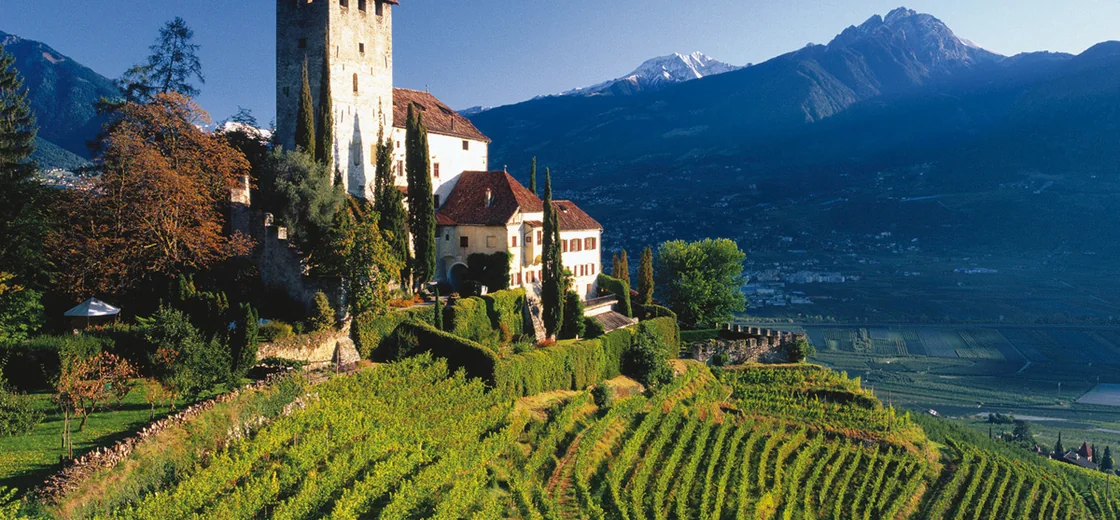
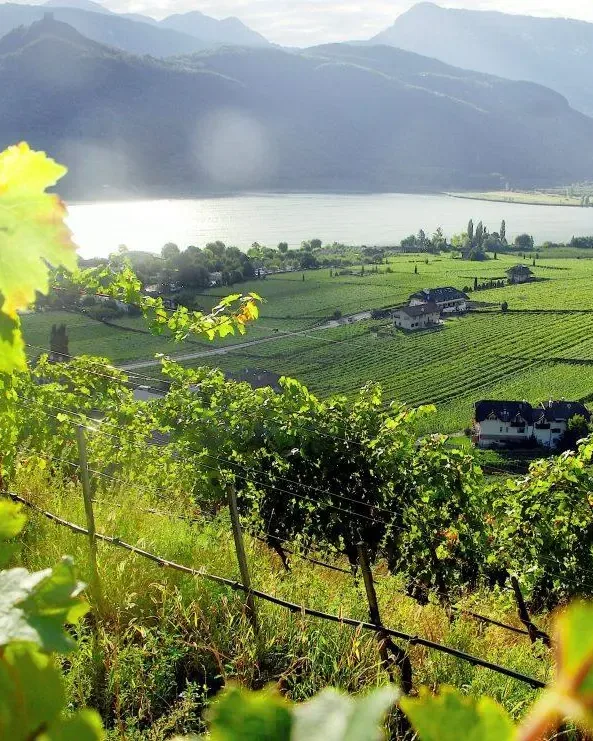
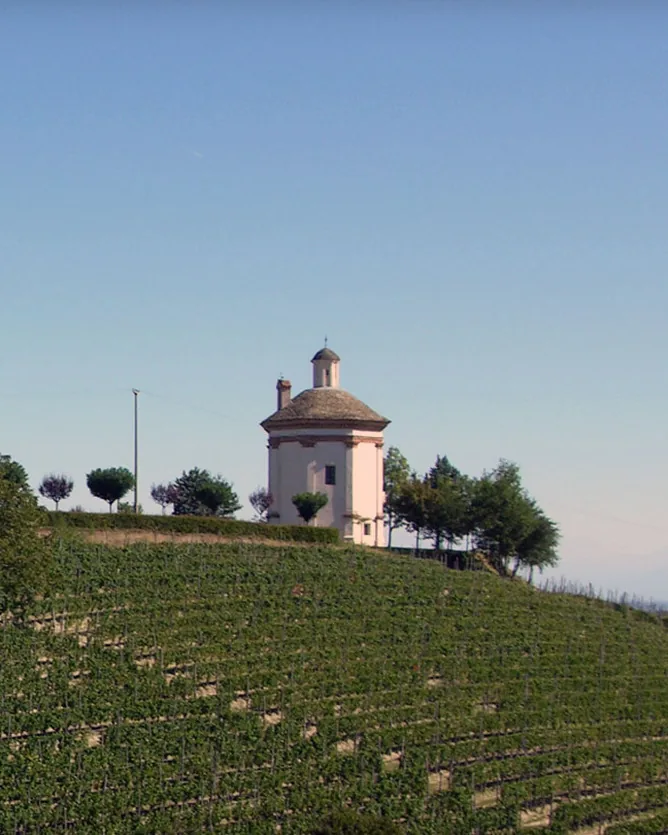
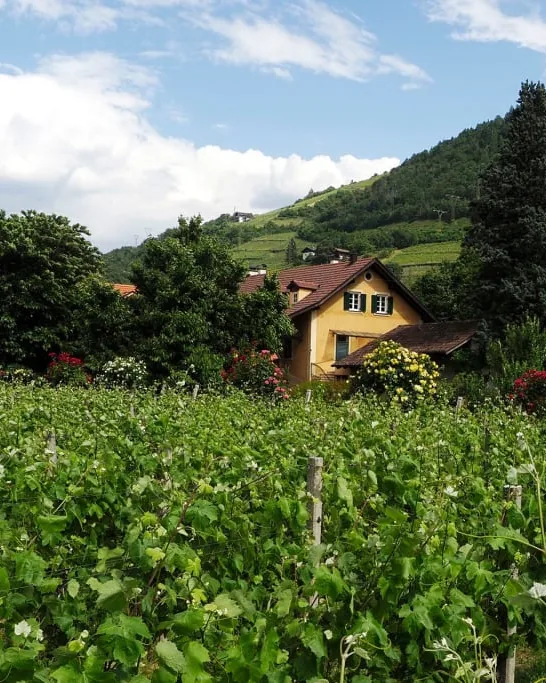
Two provinces in one region, running north up the Adige valley towards the Brenner Pass with limestone cliffs on both sides and vines on the flat floor between them. The northern half is German-speaking and labels itself Südtirol. Altitude does the work: warm days, cold nights, and whites that keep an edge the same grapes lose further south. Teroldego is the red to know, dark and firm, and it grows almost nowhere else.

4 verified producers here.
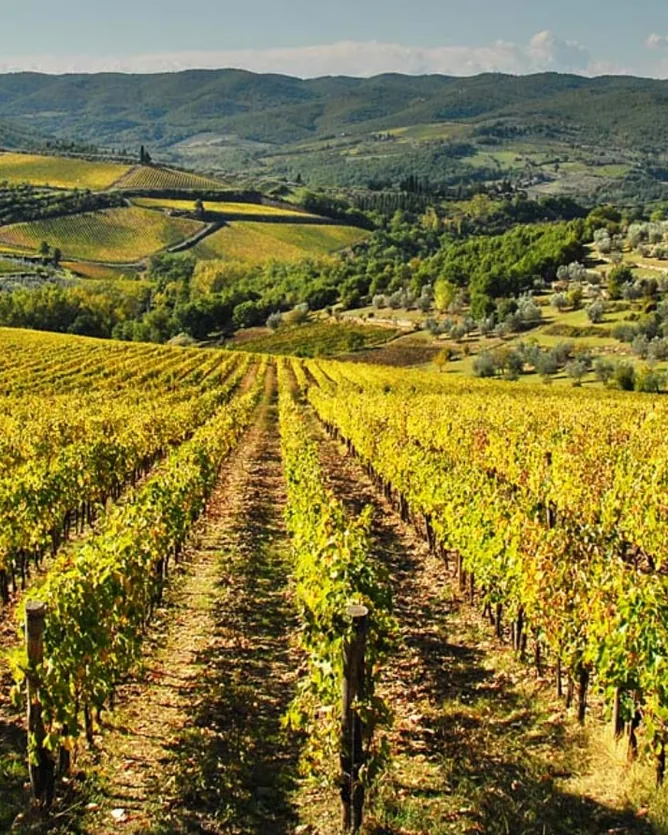
Friuli-Venezia Giulia, Italy

Friuli-Venezia Giulia free-OO-lee veh-NET-sya JOO-lya

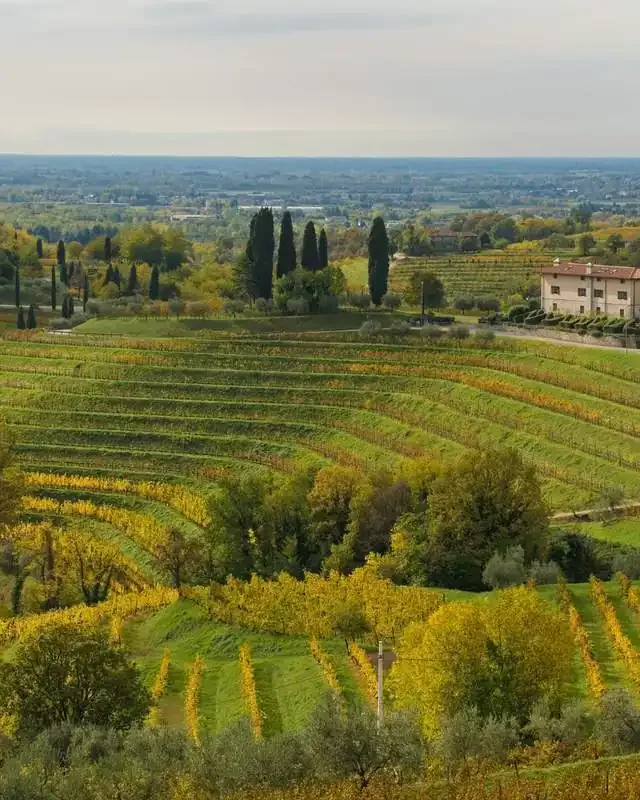
The far north-east, on the Slovenian border, where the same hills are called Collio on one side of the line and Brda on the other. This is where skin-contact white wine came back: white grapes left on their skins the way a red is made, which turns them amber and gives them grip. Ribolla Gialla is the local grape it is usually made from. The style is made worldwide now and it was rebuilt here.

3 verified producers here.
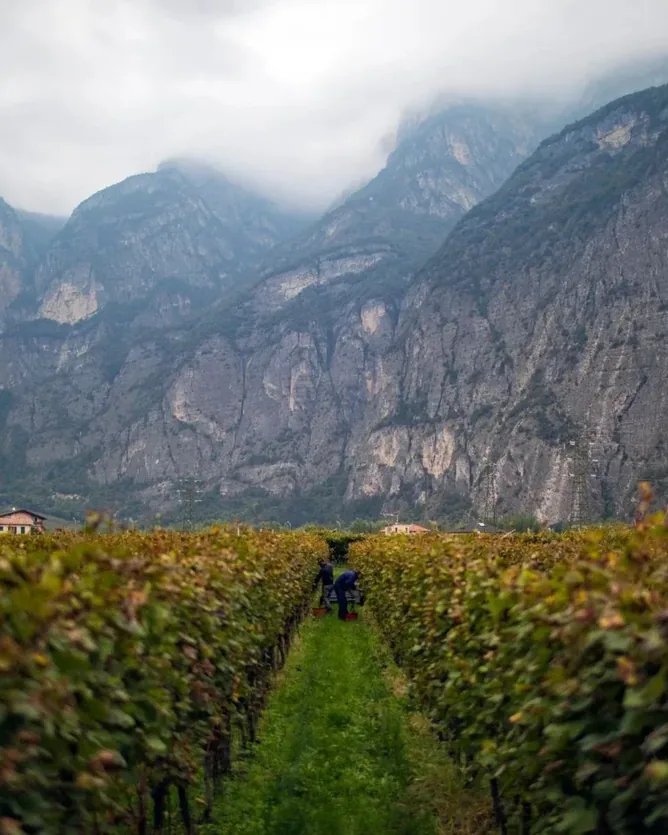
Campania, Italy

Campania

Volcanic, and old. The grapes here — Aglianico, Fiano, Greco — were being grown before Rome, and they behave nothing like the international varieties: Aglianico grown high at Taurasi is tannic and slow and needs a decade. Much of the ground is ash and pumice from Vesuvius, which phylloxera never took hold in, so some vines here are still on their own roots.

No verified producer here yet.

Basilicata

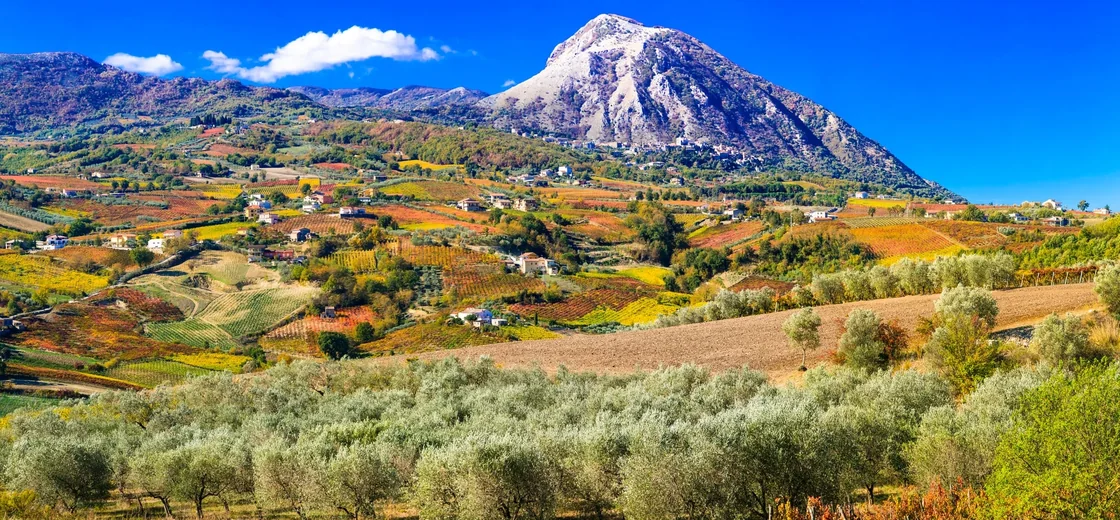
Italy’s instep, between the toe and the heel, and one of its least-known wine regions. The serious red comes from Mount Vulture, an extinct volcano in the north, where Aglianico grows on volcanic soil at around 600 metres and ripens late. It is the same grape as Taurasi over the border in Campania, and Aglianico del Vulture shares its dark colour and firm tannin.

2 verified producers here.
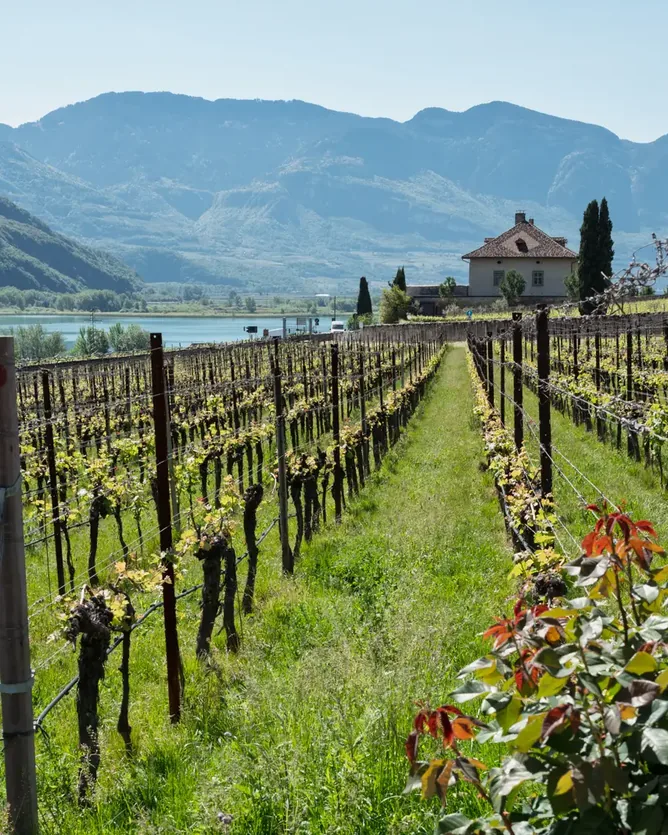
Abruzzo, Italy

Abruzzo ah-BROOT-so

The Adriatic side, between the Apennines and the sea, with the mountains close enough to drop cold air on the vineyards overnight. Clear one confusion first: Montepulciano here is a grape, not the Tuscan town of the same name, and the two make unrelated wines. Montepulciano d’Abruzzo is dark and soft-edged. Trebbiano d’Abruzzo, in the right hands, is a white that ages far longer than its reputation allows for.

3 verified producers here.
Marche, Italy

Marche MAR-keh

The Adriatic side, and for a long time the place buyers went for value rather than for ambition. Verdicchio is the reason to look now: a white grape grown around Jesi and up at Matelica that ages far better than its price suggests and turns almondy and saline with a few years on it. The reds are Montepulciano and Sangiovese, and the coast keeps everything fresher than the same grapes inland.

1 verified producer here.
Umbria, Italy

Umbria

Landlocked, hilly and quietly good. Sagrantino grown around Montefalco is the most tannic red grape in Italy by a distance — almost undrinkable young and remarkable with twenty years on it — and Orvieto in the west makes white wine on volcanic tufa in cellars cut into the rock under the town. It sits next to Tuscany and is priced as though that were a demotion.

No verified producer here yet.

Sardinia, Italy

Sardinia

An island closer to Africa than to Milan, with its own language and a wine history that came in from Spain rather than down from the mainland. Cannonau is Grenache and Vermentino is what the French call Rolle, both arriving here centuries ago and behaving like natives since. The wines are herbal and dry in a way that tastes of the scrub the vines grow in.
No verified producer here yet.

The Alto Adige to the south coast of Sicily is a thousand kilometres and about nine degrees of latitude. Every one of Italy’s twenty regions makes wine; these are the fourteen a drinker outside Italy is likely to meet.

Verified in Italy

37 estates, from the valley floor beneath the Dolomites to a working volcano and the sand below it. 35 hold a certificate. One does not: Gravner declines certification altogether and is listed on practice while that is under review, which the page says plainly rather than letting a tier badge imply a document that does not exist.

Avignonesi — verified organic producer in Tuscany, ItalyGold

Avignonesi

Montepulciano, Tuscany, Italy
Suolo e Salute organic · Biodyvin biodynamic
Cornelissen — verified organic producer in Sicily, ItalyGold

Cornelissen

Milo, Etna, Sicily, Italy
Certified Organic
Emidio Pepe — verified organic producer in Abruzzo, ItalyGold

Emidio Pepe

Torano Nuovo, Abruzzo, Italy
CCPB organic
Fontodi — verified organic producer in Tuscany, ItalyGold

Fontodi

Panzano in Chianti, Tuscany, Italy
Ecocert Certified Organic
Foradori — verified organic producer in Trentino-Alto Adige, ItalyGold

Foradori

Trentino-Alto Adige, Italy
ICEA organic · Demeter Italia biodynamic
Manincor — verified organic producer in Trentino-Alto Adige, ItalyGold

Manincor

Alto Adige / Kaltern
respekt-BIODYN Biodynamic · Organic
Occhipinti — verified organic producer in Sicily, ItalyGold

Occhipinti

Vittoria, Sicily, Italy
QCertificazioni organic
Querciabella — verified organic producer in Tuscany, ItalyGold

Querciabella

Greve in Chianti, Tuscany, Italy
Valoritalia EU organic
Radikon — verified organic producer in Friuli-Venezia Giulia, ItalyGold

Radikon

Oslavia, Friuli-Venezia Giulia, Italy
CEVIQ organic · the grapes, not the wine
Tenuta delle Terre Nere — verified organic producer in Sicily, ItalyGold

Tenuta delle Terre Nere

Randazzo, Etna, Sicily, Italy
Ecogruppo Italia EU organic
Fèlsina — verified organic producer in Tuscany, ItalyGold

Fèlsina

Castelnuovo Berardenga, Tuscany
ICEA certified organic
Tenuta di Valgiano — verified organic producer in Tuscany, ItalyGold

Tenuta di Valgiano

Colline Lucchesi, Tuscany
ICEA organic · Demeter biodynamic
Castello dei Rampolla — verified organic producer in Tuscany, ItalyGold

Castello dei Rampolla

Panzano, Chianti Classico, Tuscany
biodynamic practice, uncertified
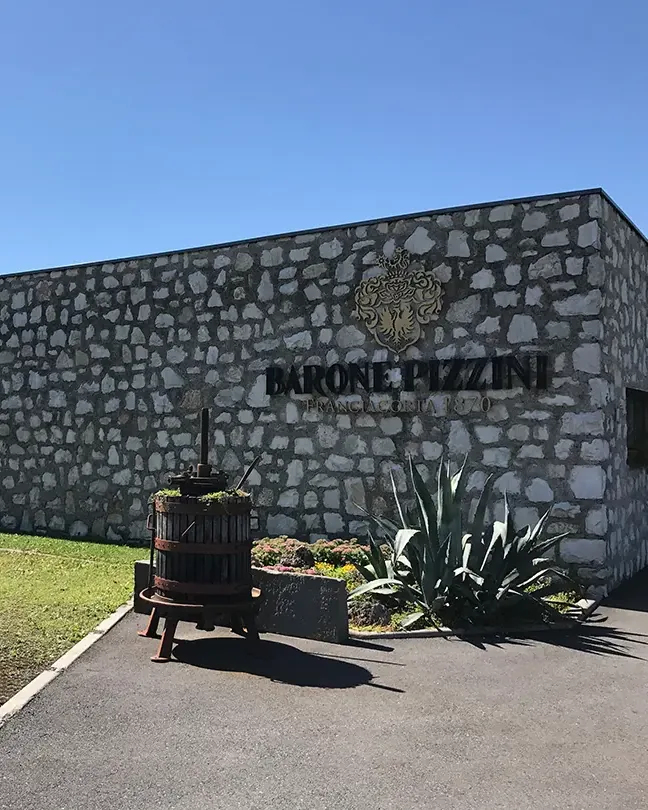
Barone Pizzini — verified organic producer in Lombardy, ItalyGold

Barone Pizzini

Lombardy
Valoritalia certified organic
Pievalta — verified organic producer in Marche, ItalyGold

Pievalta

Marche
Valoritalia organic, on the Barone Pizzini group certificate
La Raia — verified organic producer in Piedmont, ItalyGold

La Raia

Piedmont
Valoritalia certified organic · Demeter biodynamic
Poliziano — verified organic producer in Tuscany, ItalyGold

Poliziano

Tuscany
Suolo e Salute certified organic
Rivetto — verified organic producer in Piedmont, ItalyGold

Rivetto

Serralunga d'Alba, Piedmont, Italy
Bioagricert EU organic · Demeter Italia · Biodyvin
Fattoria La Vialla — verified organic producer in Tuscany, ItalyGold

Fattoria La Vialla

Castiglion Fibocchi, Arezzo, Tuscany
ICEA EU organic · Demeter Italy on many wines, not all
Ceretto — verified organic producer in Piedmont, ItalySilver

Ceretto

Alba, Piedmont, Italy
Certified Organic from the 2015 vintage
COS — verified organic producer in Sicily, ItalySilver

COS

Vittoria, Sicily, Italy
Suolo e Salute organic
Gravner — verified organic producer in Friuli-Venezia Giulia, ItalySilver

Gravner

Oslavia, Friuli-Venezia Giulia, Italy
farmed without chemicals, uncertified by the producer’s choice
Alois Lageder — verified organic producer in Trentino-Alto Adige, ItalySilver

Alois Lageder

Magrè, Alto Adige, Italy
EU organic (ABCERT) and Demeter for the wine · from 2024, all but Misto Mare
Dario Princic — verified organic producer in Friuli-Venezia Giulia, ItalySilver

Dario Princic

Oslavia, Friuli-Venezia Giulia, Italy
CEVIQ EU organic · the grapes, not the winemaking
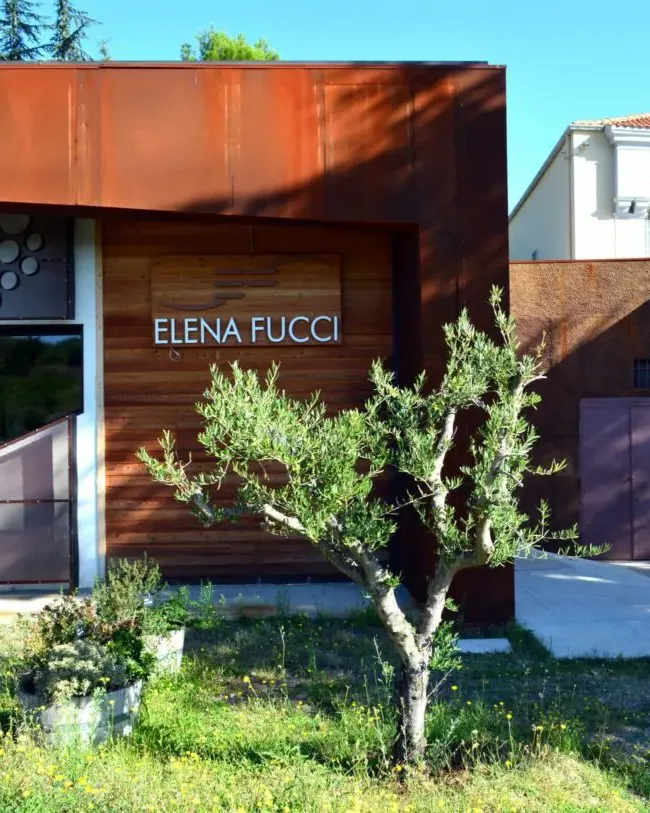
Elena Fucci — verified organic producer in Basilicata, ItalySilver

Elena Fucci

Barile, Basilicata, Italy
Sidel EU organic
Podere Le Ripi — verified organic producer in Tuscany, ItalySilver

Podere Le Ripi

Montalcino, Tuscany, Italy
ICEA EU organic · Demeter Italia for grapes, not wine
Salcheto — verified organic producer in Tuscany, ItalySilver

Salcheto

Montepulciano, Tuscany, Italy
ICEA EU organic
Torre dei Beati — verified organic producer in Abruzzo, ItalySilver

Torre dei Beati

Loreto Aprutino, Abruzzo, Italy
CCPB EU organic
Planeta — verified organic producer in Sicily, ItalySilver

Planeta

Sicily
Valoritalia EU organic · most wines, not all
Feudo Maccari — verified organic producer in Sicily, ItalySilver

Feudo Maccari

Noto, Sicily
Bioagricert EU organic
Cantine Barbera — verified organic producer in Sicily, ItalySilver

Cantine Barbera

Menfi, Sicily
Suolo e Salute EU organic
Grifalco — verified organic producer in Basilicata, ItalySilver

Grifalco

Venosa, Vulture, Basilicata
BIOS EU organic, grapes and wine
Tenuta Terraviva — verified organic producer in Abruzzo, ItalySilver

Tenuta Terraviva

Tortoreto, Abruzzo
Suolo e Salute EU organic
San Fereolo — verified organic producer in Piedmont, ItalySilver

San Fereolo

Dogliani, Piedmont
CCPB EU organic · the farming, not the winemaking
Cascina Iuli — verified organic producer in Piedmont, ItalySilver

Cascina Iuli

Montaldo di Cerrina, Monferrato, Piedmont
Valoritalia EU organic · the farming, not the winemaking
Fattoria La Maliosa — verified organic producer in Tuscany, ItalySilver

Fattoria La Maliosa

Saturnia, Tuscan Maremma
QCertificazioni EU organic
Nusserhof — verified organic producer in Trentino-Alto Adige, ItalySilver

Nusserhof

Bolzano, Alto Adige
ABCERT EU organic

Every certificate here was checked against the register that issued it, which matters more in Italy than in most places, because the label is where the information stops. A country that farms a quarter of its vineyard organically and sells six per cent of its wine that way is not hiding anything. It never got into the habit of saying so.

Where the figures come from6
  • 133,000 ha of vineyard in organic farming in 2022 = 22.6% of the national vineyard, of which 76.5% had completed conversion; organic wine 6% of national production; Sicily 36,937 ha and Tuscany 22,802 ha the leading organic regions. ISMEA, ‘Organic wine: the numbers of the supply chain updated to 2022’

    magazine.wein.plus ↗
  • Organic wine volume over 3 million hectolitres, equal to 6% of total national production; organic vine acreage over 133,000 ha, 76.5% converted

    winenews.it ↗
  • Cerasuolo di Vittoria is Sicily's only DOCG; Nero d'Avola 50-70% with Frappato as the remainder

    en.wikipedia.org ↗
  • Italy's major internationally recognised wine regions: Tuscany, Piedmont, Veneto, Sicily, Puglia, Emilia-Romagna, Friuli-Venezia Giulia, Trentino-Alto Adige, Lombardy, Campania, Abruzzo, Sardinia, Marche and Umbria

    lagazzettaitaliana.com ↗
  • Pesticides are overwhelmingly derived from fossil fuels and their manufacture is energy-intensive, and a warming climate raises pest and disease pressure, which raises pesticide use in turn

    pan-uk.org ↗
  • The loop between the two: emissions from pesticide manufacture and use contribute to warming, and warming drives further pesticide use

    panna.org ↗
↑