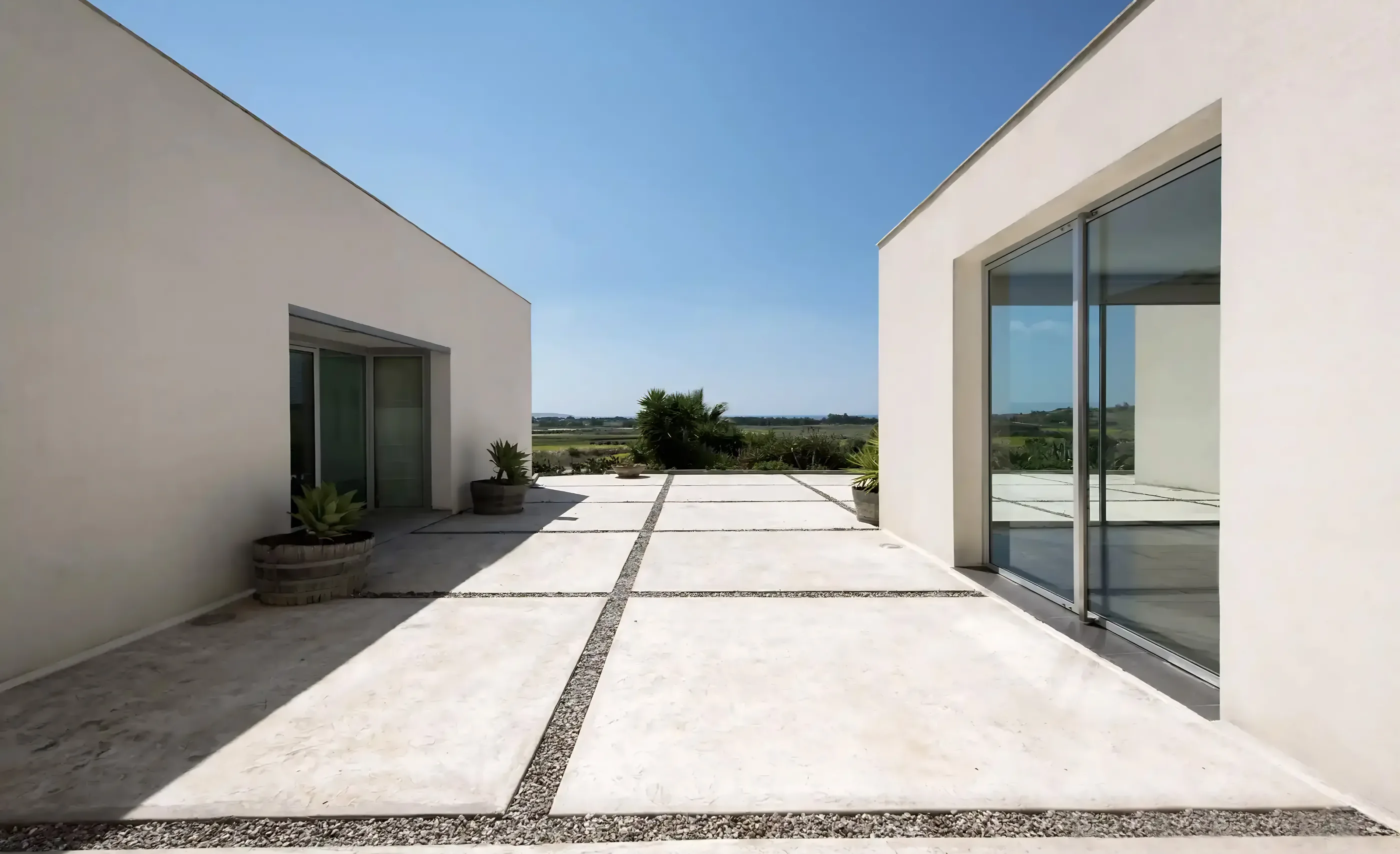
Cantine Barbera
The Free Bacchus Story
In August 2019, a few days into her nineteenth harvest, someone set fire to Marilena Barbera’s Microcosmo vineyard, where she grows Perricone, one of the old native red grapes of the area. The fire was put out, she wrote the next day, just in time. She had expected, after so many vintages, to work almost from memory, the way a potter does. Instead memory helped her less every year, as droughts ran on for months and then broke in violent floods.
For three generations the family has farmed Tenuta Belicello, about 15 hectares of vines a kilometre from the sea, beside the protected mouth of the Belìce river, which in very wet years floods the vineyard in its bend. Her grandfather planted the first vines in the 1920s and sold most of the grapes to firms in Marsala. In 1958 the family helped found Cantine Settesoli, Menfi’s wine cooperative, and Cantine Barbera’s first labelled vintage came in 2001. Marilena had dreamed of being a diplomat. After a political science degree in Florence and years away, she came home to handle sales, and when her father Pietro died she took on the vines and the winemaking too. She has made the wine with her mother, Nina, for twenty years.
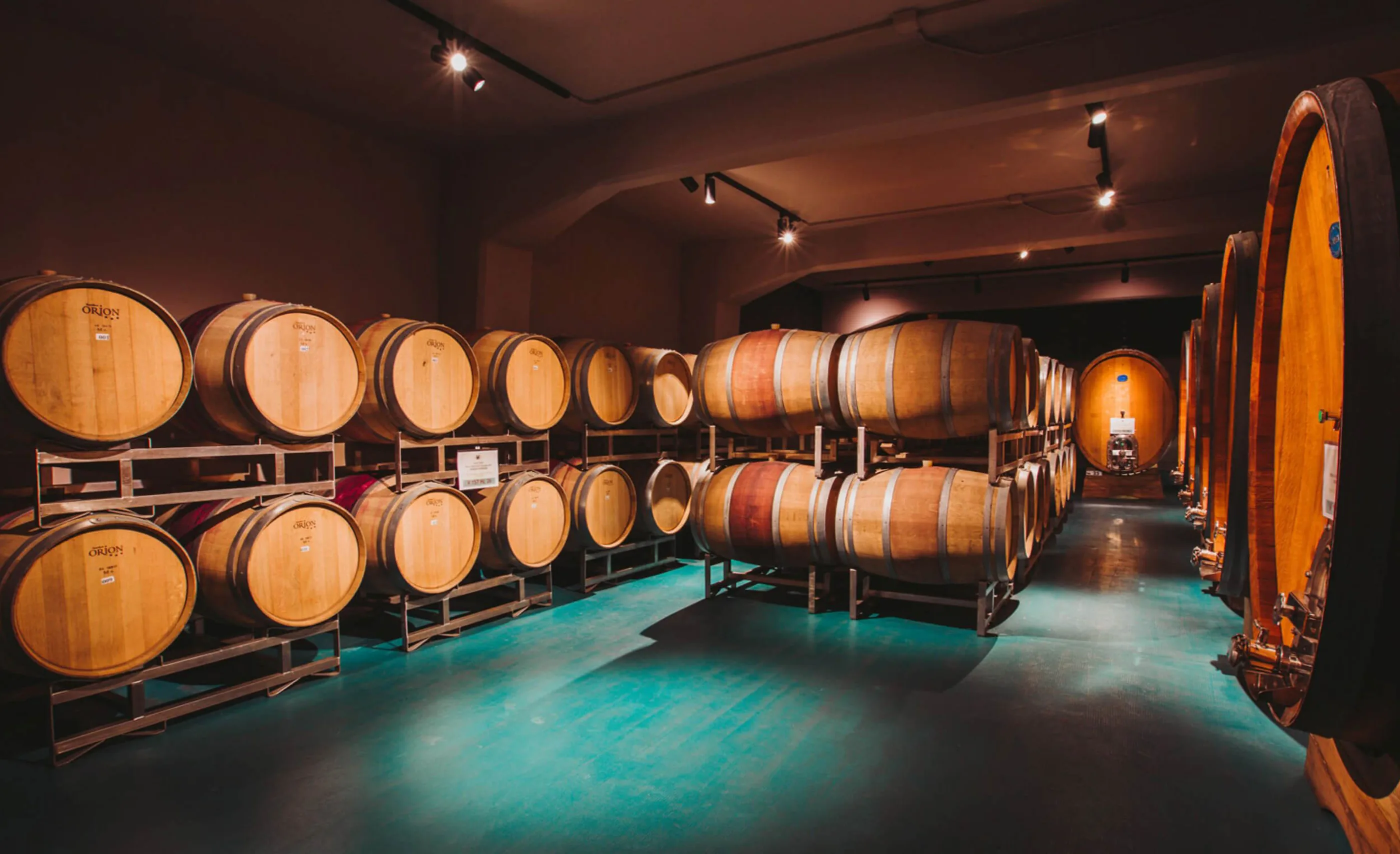
Sicily is bigger than it looks. Marsala to Siracusa, Marilena points out, is as far as Barolo to Valpolicella, and the wines of the west differ from those of Etna or Vittoria even when they are made from the same grapes. Menfi is on the south-west coast, nearer Tunisia than mainland Italy. Almost no rain falls from late spring through summer, the sea breeze dries the vines, and mildew is fairly rare. Slow Wine calls it a place that probably favours whites, ones that taste of sea and wind, though its reds matter too. Inzolia, the old local white grape, grows wild even on the beach. Nero d’Avola, the island’s darker, firmer red, reached Menfi from eastern Sicily in the early 1900s. In her Riserva, aged for years in big oak casks, it makes a fuller, darker wine than the pale, light reds that Etna and Vittoria are known for.
Coda della Foce began as her father’s wine. Pietro would drink only Bordeaux, Pétrus and Margaux above all, and he was keen on Merlot, which in Sicily tended to over-ripen. His answer was to blend it with Petit Verdot, for tannin, colour and acidity, and a little Nero d’Avola, whose share grew year by year while the Merlot faded out. Marilena makes it from Belicello Nero d’Avola alone, and only in vintages when acidity, tannin and fruit come into balance. It is her signature wine now, she says, a tribute to her father, and its name honours the Belìce.
She farms, in her own words, biodynamically, with compost, cover crops and biodynamic preparations, and copper and sulphur only when she must. She says a biodynamic certificate followed in 2023, but she names no certifier, and neither Demeter Italia nor Demeter International lists the farm, so here biodynamics counts as how she farms rather than as a certificate. The organic certificate is on the register. Suolo e Salute certifies the grapes and the wine, with under a hectare still in conversion. Slow Wine, whose Chiocciola rewards how a winery works as much as what is in the bottle, has given Cantine Barbera one in every edition from 2023 to 2027.
“la siccità più terribile che io abbia mai visto in 25 anni”
Why it’s remarkable
Free Bacchus Verification
Suolo e Salute EU organic
Certified1
- EU organic, Suolo e Salute (certificate IT-BIO-004.380-0036589, to November 2028): the whole operator, vineyards and wine
Also on record1
- Biodynamic in practice only, with no certificate on Demeter Italia’s or Demeter International’s registers
If you’re buying
Cheat sheet
Save it to your phone. Everything you need to recognise this producer, and three things worth saying about it, at a glance in a shop or across a table.