Grifalco
The Free Bacchus Story
Fabrizio and Cecilia Piccin had already built one winery when they started Grifalco. They had left the outskirts of Rome for Montepulciano, in Tuscany, meaning to farm and keep sheep, and put everything they had into a ruined farmhouse and 300 sheep and goats. Wine won out. They founded Salcheto, made a success of it, sold it, and moved south to start again from zero, founding Grifalco at Venosa, in Basilicata, in 2004. The name joins the griffin on Montepulciano’s coat of arms to the peregrine falcon of the Vulture. The bird on the label is not a vulture.
Basilicata is one of Italy’s least-known wine regions, and its serious red comes from the north, on the slopes of Mount Vulture, a volcano whose last great eruption was some 140,000 years ago. The grape is Aglianico, the same one grown at Taurasi in Campania, less than two hours away. It ripens late, and here it is picked from the second half of October into early November. The wine is dark and firmly tannic, with the drying grip of strong tea when young, and people call it the Barolo of the South because the two share acidity, structure and a long life in bottle, though Barolo is pale in the glass and Aglianico is anything but. Southern as it is, this is cold country. The Grifalco vineyards sit at 450 to 560 metres, and Andrea Piccin, who runs the sales side, makes a point of saying that Basilicata is one of the coldest regions in Italy.
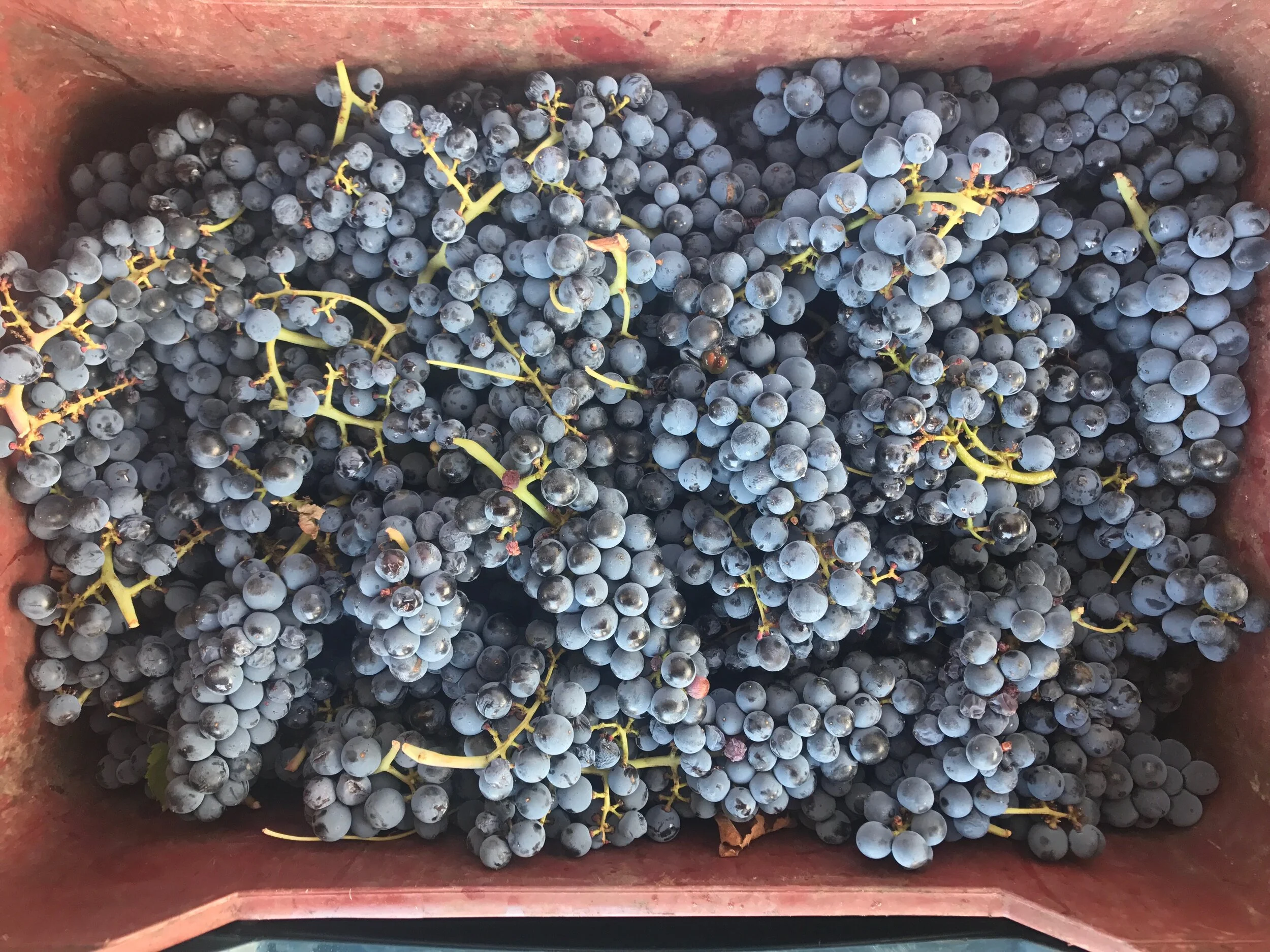
From the start the family grew nothing but Aglianico, in plots scattered across Maschito, Venosa, Rapolla and Ginestra, and every parcel is still made separately. After the first harvest, the grapes from the oldest vines at Maschito tasted so clearly of their place that the Piccins bottled them alone. DaMaschito, first made in 2005, is called the Vulture’s first single-vineyard cru; DaGinestra comes from a hilltop facing the volcano. Both are made from vines 60 to 70 years old, soak on their skins for 60 days or more, and since 2015 have been made only in the best years. Fabrizio was an architect, and the winery he built, opened in 2007, is a box of tuff, a stone common in the area, set inside a bigger excavation with an air gap around it that keeps the temperature steady.
Fabrizio died in February 2019, after a long illness. His sons had been in charge of the harvest since 2011, and they now run the estate between them: Lorenzo, who studied vine-growing and winemaking at Alba, in the vineyards and cellar, and Andrea on the commercial side. That September Gambero Rosso gave its Tre Bicchieri to the 2017 Gricos and praised the family for carrying on the founder’s mission. Gricos, the everyday Aglianico Cecilia came up with in 2006 as the family’s business card, has won it three times.
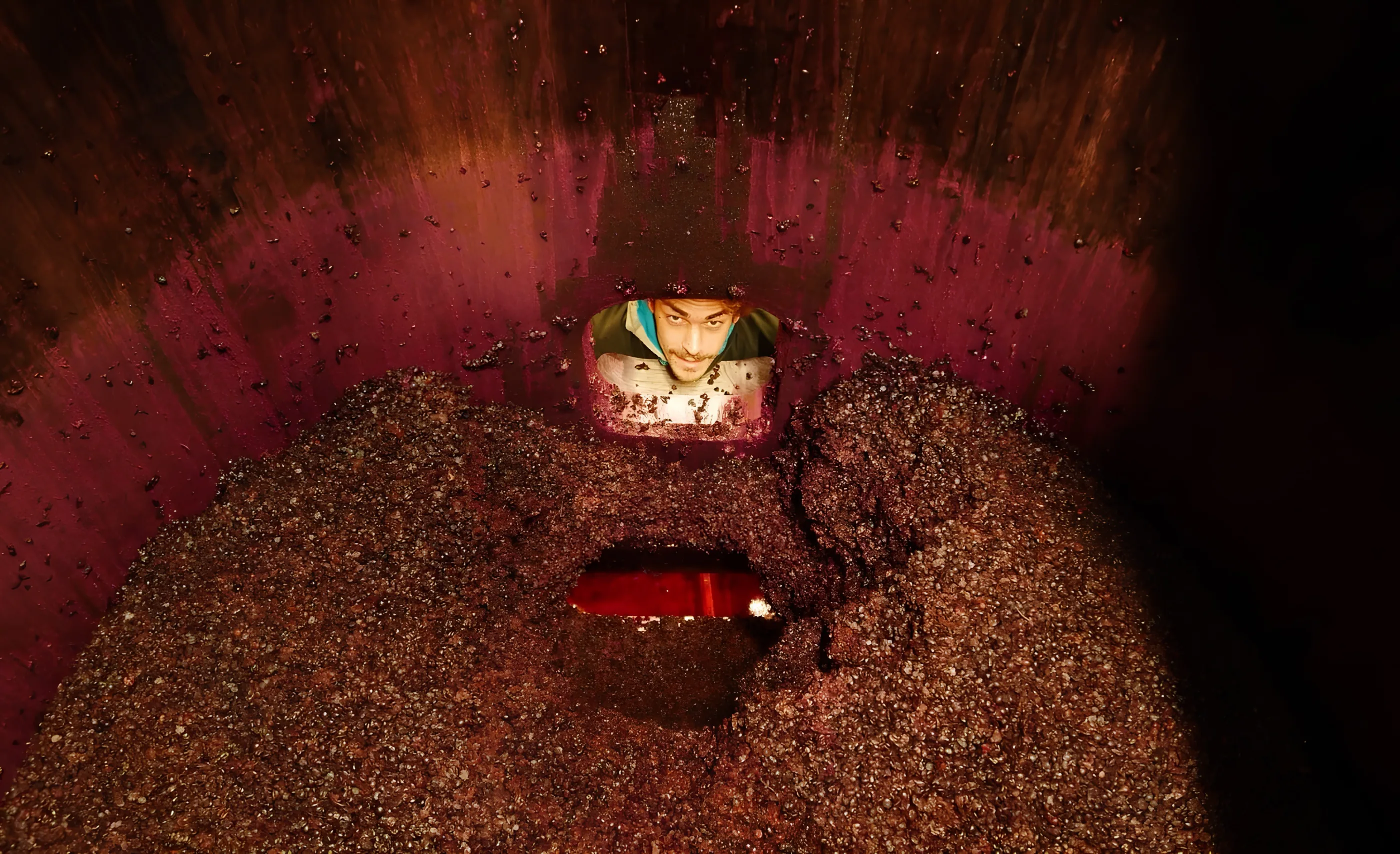
The plateau is dry and windy, which keeps disease down, and Andrea says they spray about a quarter as often as other regions need, with copper and sulphur only. BIOS, the organic certifier, has been inspecting Grifalco since May 2013, and its current certificate covers the grapes and the wine and names all four wines one by one. The Grifalco, the namesake from the middle of the range, is the one its importers call the flagship, and Gricos, for a little less, is the easy way in.
“Barolo is the Aglianico of the North!”
Why it’s remarkable
Free Bacchus Verification
BIOS EU organic, grapes and wine
Certified2
- EU organic, BIOS (IT-BIO-005.380-0014813), operator Az. Agr. Grifalco srl, grapes and wine
- The certificate names all four wines: Gricos, Grifalco, DaMaschito and DaGinestra
If you’re buying
Cheat sheet
Save it to your phone. Everything you need to recognise this producer, and three things worth saying about it, at a glance in a shop or across a table.