Tenuta Terraviva
The Free Bacchus Story
In 2016 Federica Topi had just come home from university and decided to work with her parents on the family estate. One day she was at her computer when an email arrived to say that the estate’s Montepulciano, Luì, had won Tre Bicchieri, the top rating in Gambero Rosso’s Vini d’Italia guide. At the presentation of that edition she wondered what it would be like to go up on stage to collect one of the guide’s special prizes. That year the prize for value went to another Abruzzo Pecorino. In the 2023 guide it went to the family’s own Abruzzo Pecorino ’21, which Gambero Rosso called a great white for a little over 10 euros a bottle.
She runs Tenuta Terraviva, in the hills of Tortoreto, with her mother, Pina Marano, and her father, Pietro Topi. Slow Wine, naming her brother Francesco too, calls them a family that puts the vineyard at the centre of everything. Gambero Rosso dates the decision to grow organic grapes to 1998, and the EU organic register shows the estate under the control of its certifier, Suolo e Salute, since September 2005. Until 2008, one of its US importers says, every grape was sold to local co-operatives and other producers. That year the family bottled its first wine under its own label.
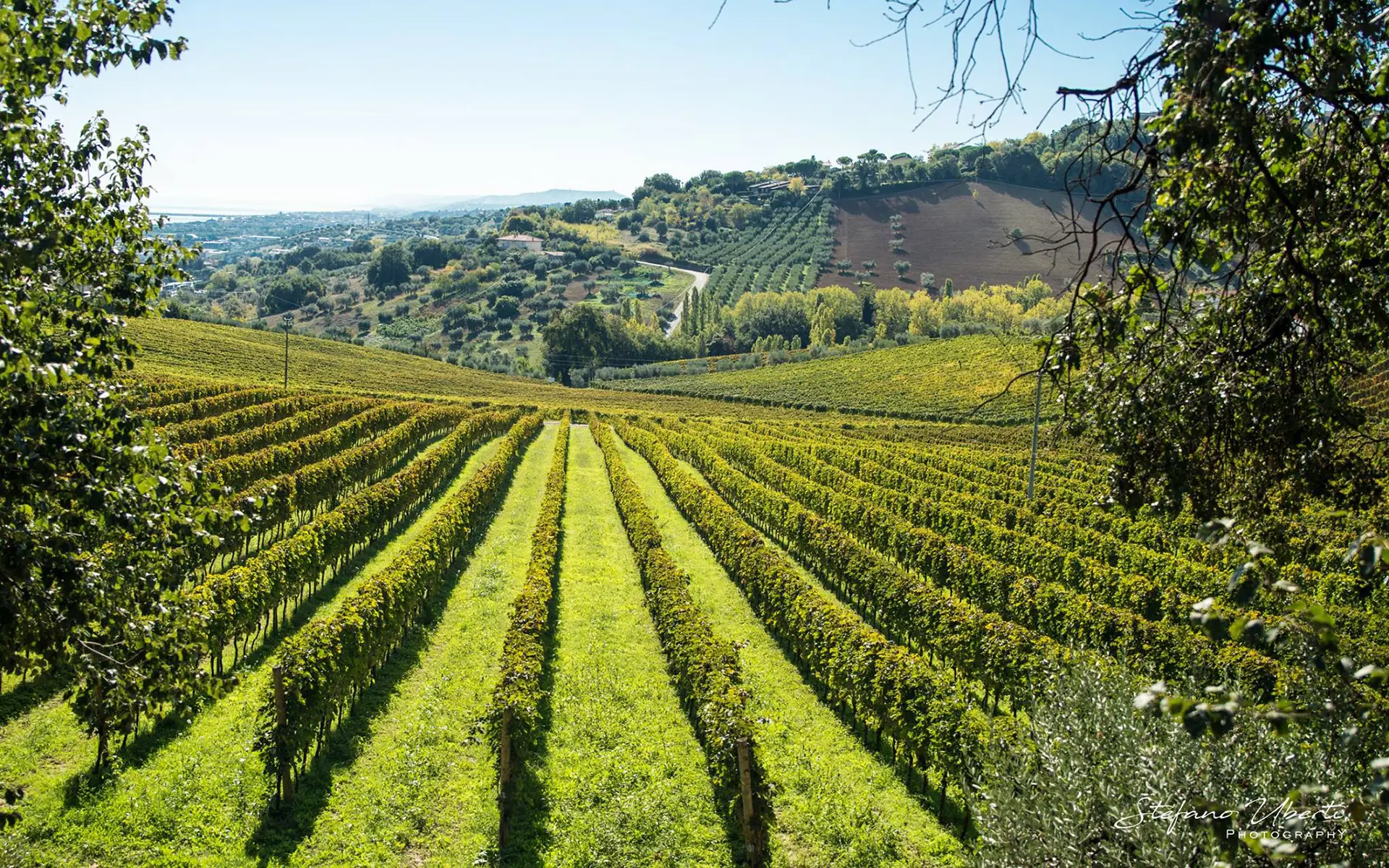
Abruzzo lies on Italy’s Adriatic side, between the Apennine mountains and the sea. Its red grape is Montepulciano, which has nothing to do with the Tuscan town of the same name, and Montepulciano d’Abruzzo is a dark, soft-edged red. Cerasuolo d’Abruzzo is the same grape made as a rosé. The juice spends only a short time on the skins, so the wine is lighter than the red and, by tradition, closer to a light red than to the pale pink of Provence; Gambero Rosso says a true one should be cherry red. Of the whites, Trebbiano d’Abruzzo in the right hands ages far longer than its reputation suggests, and Pecorino, a grape that shares its name with the cheese, makes fresh, clean, easy wines. Terraviva’s 22 hectares of vines lie in a single block, an amphitheatre facing the Adriatic with the Gran Sasso, Abruzzo’s highest mountain, behind.
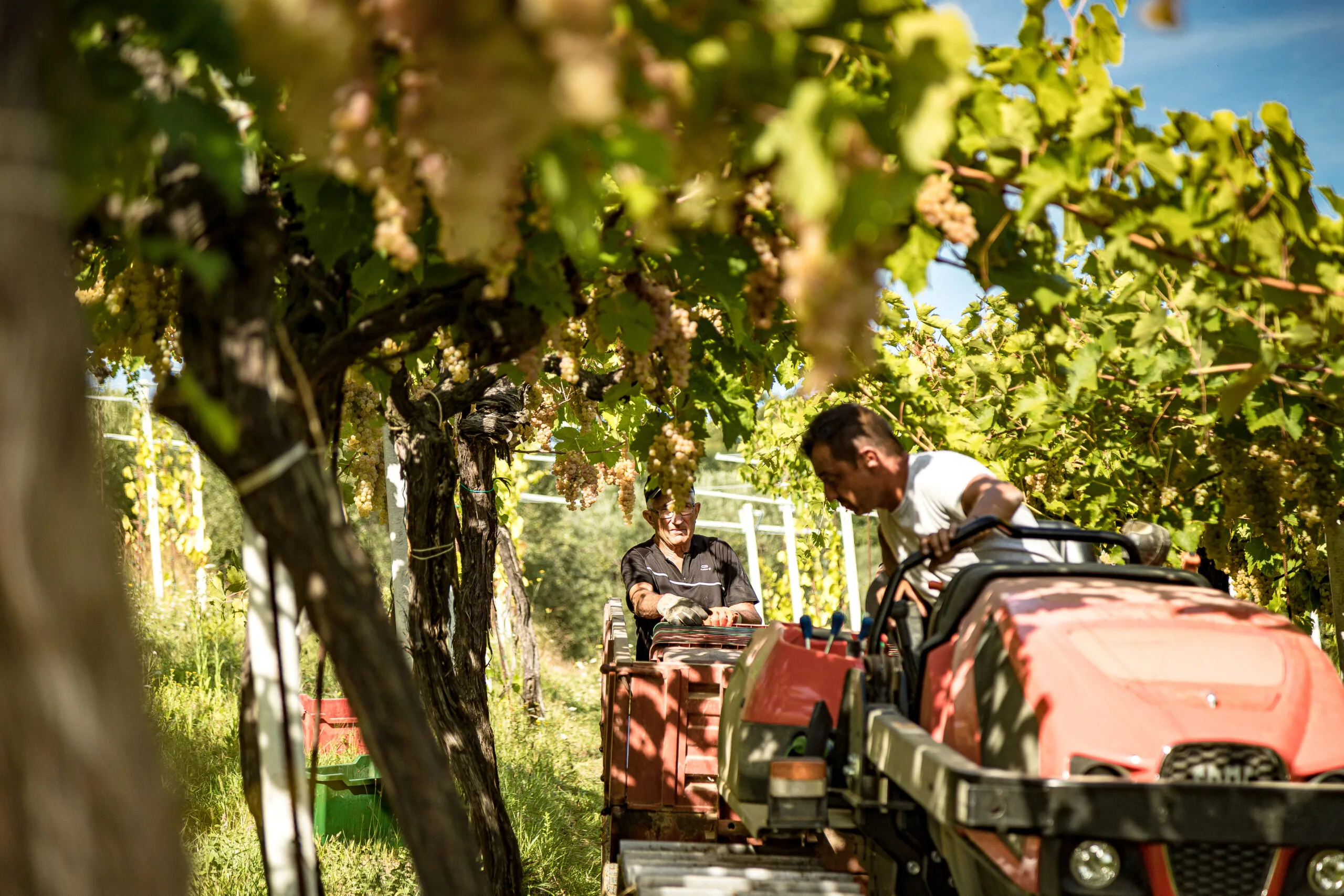
In 2014 a consultant, Francesco Bordini, changed how the family worked. With his help, Federica says, they paid closer attention to the harvest and learned to bring ever healthier grapes into the cellar. The grapes are picked by hand into small crates, every plot is made into wine separately with native yeasts, and a 20-kilowatt solar array, the family says, makes the estate self-sufficient in energy. Since 2020 the family has also been moving towards biodynamic farming, though Demeter, the biodynamic certifier, does not list the estate. The organic certificate covers the vineyards and the cellar, and every wine the estate makes is certified organic.
Mario’s, a Trebbiano d’Abruzzo Superiore from the estate’s oldest vines, is the flagship, and the current release is Mario’s 49, from 2021. Giusi, the Cerasuolo in the same old-vine range, won Tre Bicchieri in the 2025 and 2026 guides. The Terraviva wines, from the youngest vines, are the easy way in.
“Abbiamo sempre fatto in modo che i nostri vini potessero essere bevuti da tutti”
Why it’s remarkable
Free Bacchus Verification
Suolo e Salute EU organic
Certified2
- EU organic, Suolo e Salute (IT-BIO-004.380-0020932), operator Società Agricola Collebello, grapes and wine, under control since 2005
- Every wine the estate makes is certified organic
Also on record1
- Its biodynamic practice, begun in 2020, is not certified
If you’re buying
Cheat sheet
Save it to your phone. Everything you need to recognise this producer, and three things worth saying about it, at a glance in a shop or across a table.