San Fereolo
The Free Bacchus Story
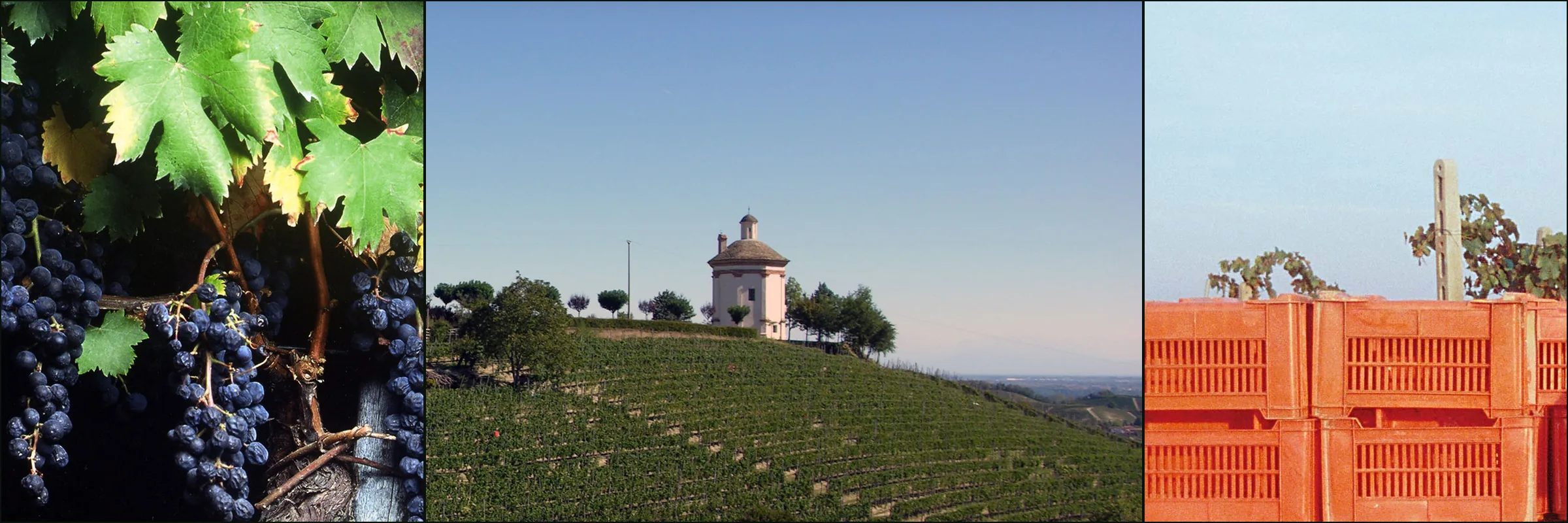
When Nicoletta Bocca started San Fereolo in 1992, she began by learning all she could from her neighbour, who had always grown vines. She had grown up in Milan, and farming had never been her family’s line of work. Her father, the journalist Giorgio Bocca, had brought the family to the Langhe every year, because these hills held memories of his youth as a partisan. She put the estate together a parcel at a time, some of it bought from growers too old to keep working, and it now runs to 12 hectares scattered through the Dogliani hills.
Piedmont’s famous grape is Nebbiolo, the grape of Barolo, pale in the glass and high in acid and tannin. Dolcetto is the other red of these hills, and it has always been treated as the everyday one, the weekday wine beside Sunday’s Nebbiolo. Where young Nebbiolo is hard work, most Dolcetto is dark purple, fruity and light, with moderate acidity and a faint almond note at the finish, and it is made to be drunk within a year or two. Dogliani, just south of Barolo, is where Dolcetto is taken seriously. The wine named after the town, Dogliani DOCG, must be made entirely from Dolcetto, and the town’s archives first mention the grape in 1593.
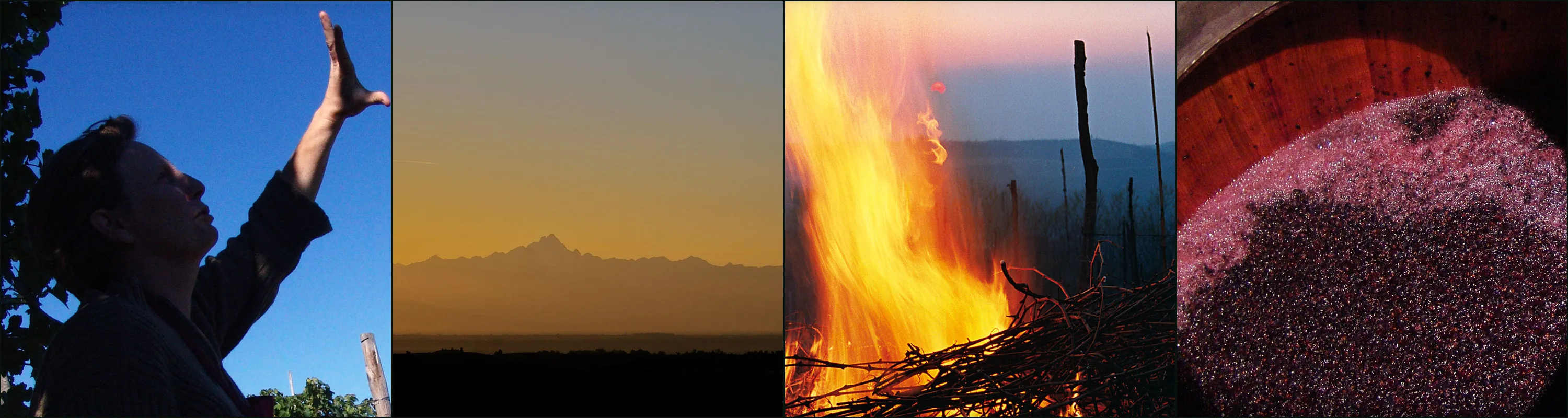
Nicoletta Bocca makes hers to last. The San Fereolo, her flagship, comes from her best parcels and oldest vines, some planted in 1936. It ferments in wooden vats with no added yeast, rests for years in large oak casks and then in bottle, and leaves the cellar about seven years after the harvest. Her importer calls the cost of making and storing it immense, and says her prices have stayed low anyway.
Her first organic vintage, 2004, was a trial, because she wanted to find out whether she could do it. The same year she began experimenting with biodynamics, helped by Stefano Bellotti, a pioneer of biodynamic winegrowing in Italy. The certificates are narrower. The EU organic register lists San Fereolo under the certifier CCPB for its farming alone, so the vineyards are certified organic, with part of the land still in conversion. The winemaking is not covered, and the wine itself is not certified. Demeter Italia listed the farm as a biodynamic licensee for its wine grapes in 2023 and 2024, and it has been off the list since late 2024.
The Valdibà, from younger vines and made in steel tanks, is her classic Dolcetto and the easy way in, at about US$32. She once wrote that a wine made for the drinker’s pleasure, rather than as her own search, was an idea hard to accept, because it went against her character. Slow Wine, the Slow Food guide, has given San Fereolo its snail symbol, the Chiocciola, in every edition from 2022 to 2027.
“I came from Milan and I knew nothing of the countryside”
Why it’s remarkable
Free Bacchus Verification
CCPB EU organic · the farming, not the winemaking
Certified1
- EU organic, CCPB (IT-BIO-009.380-0061585), farming only: the vineyards are certified organic
Not covered1
- The winemaking: the certificate does not cover the winemaking, so the wine itself is not certified
Also on record1
- Part of the land still in conversion
If you’re buying
Cheat sheet
Save it to your phone. Everything you need to recognise this producer, and three things worth saying about it, at a glance in a shop or across a table.