Planeta
The Free Bacchus Story
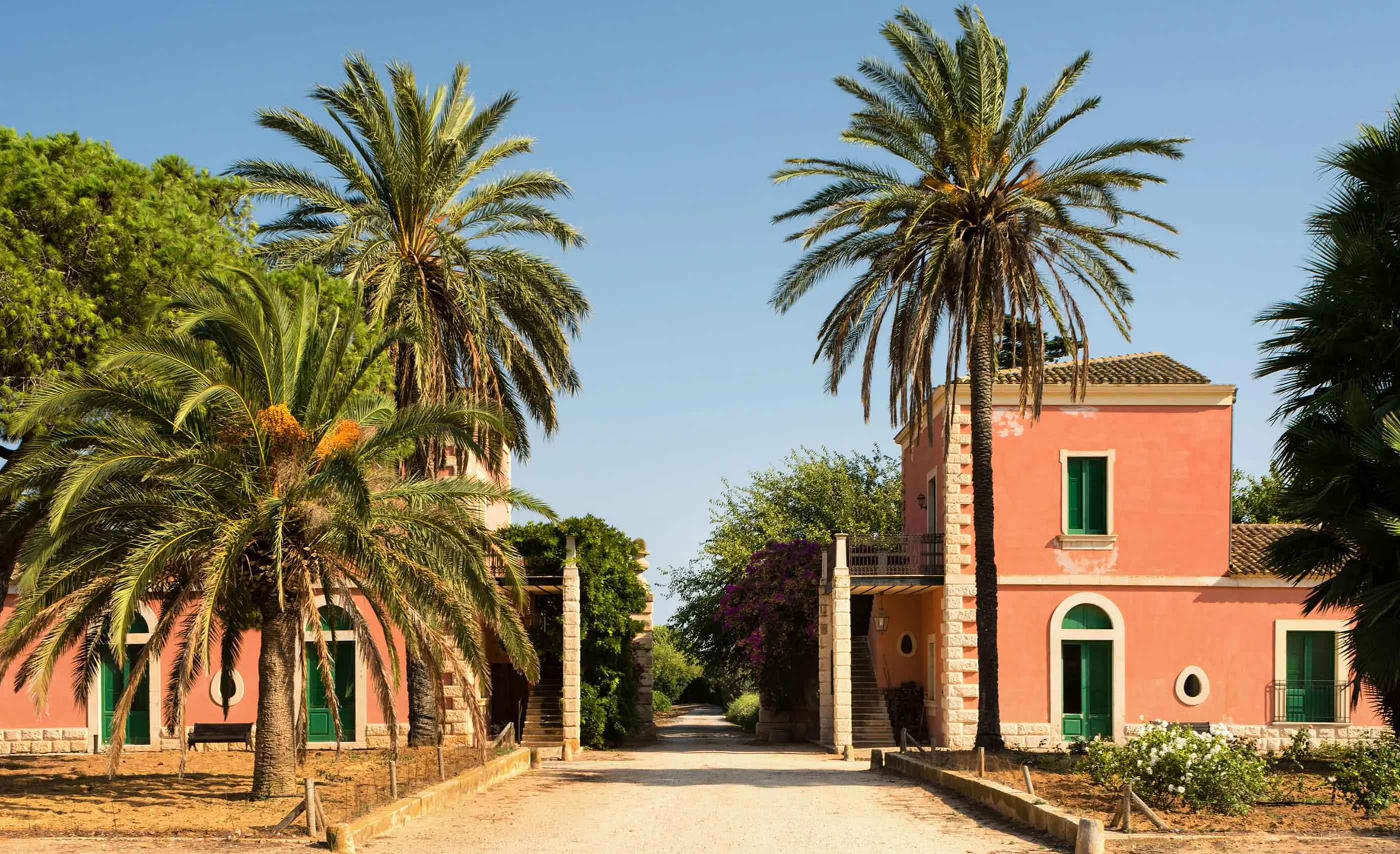
In February 1985 the Planeta family planted four hectares of Chardonnay at Ulmo, around the sixteenth-century farmhouse near Menfi, in south-west Sicily, that has always been theirs. The idea was Diego Planeta’s. He wanted wines that would, as he liked to say, put Sicily ‘once again on the map’, and his brothers and sisters trusted him enough to plant. The summer was exceptionally hot, the vines had been developed for other climates, and the clay and limestone were hard to tame. Many vines were lost and had to be replanted and regrafted. In 1995 the family built its first winery, on the shore of Lake Arancio.
Diego, born in Palermo in 1940, chaired Settesoli, the cooperative his father Vito had founded at Menfi in 1958, for 38 years, and from 1985 to 1992 he was president of the regional vine and wine institute. At the turn of the 1990s he handed the family’s new wine company to his nephew Alessio, then brought in his daughter Francesca and his nephew Santi. The three run it today. Diego died at Menfi in September 2020.
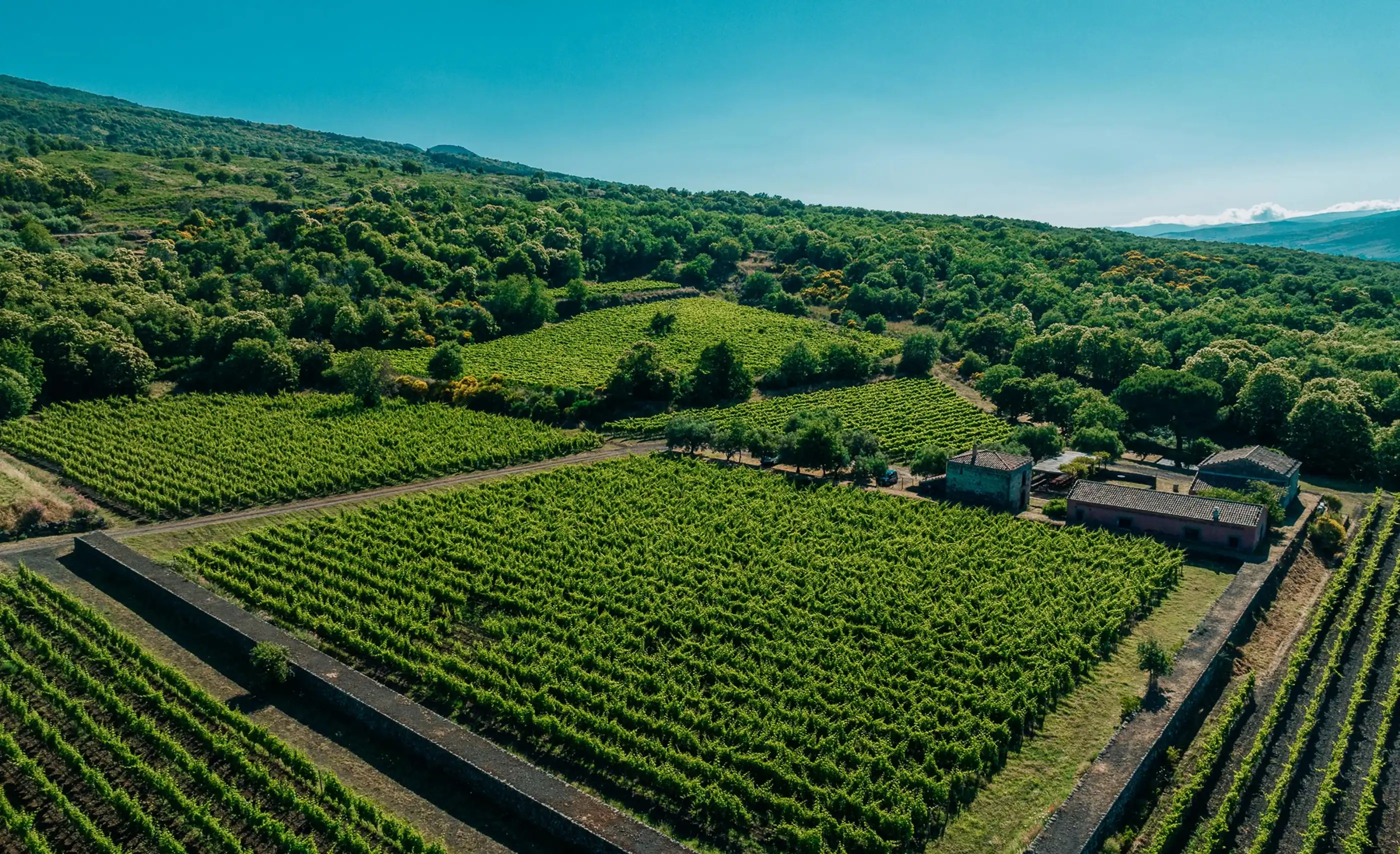
From Menfi the family crossed the island. They planted Nero d’Avola and Frappato at Vittoria in 1997, where, the family says, their grandparents used to argue over whether the wine was better there or at Menfi. They bought Buonivini at Noto in 1998, planted on the northern slope of Etna in 2008, and in 2011 brought eight hectares of vines back to life on Capo Milazzo, a small peninsula on the north coast. The motto became ‘every territory its own winery’, and all five now have one.
Noto was where they went for Nero d’Avola. It is Sicily’s most widely planted red grape, named after Avola, a town on the south-east coast, and for most of the twentieth century it was a blending grape whose name rarely appeared on a label. It makes a darker, firmer red than Frappato, the pale, perfumed grape it is paired with at Vittoria, and it is often compared to Syrah, which likes the same heat. Planeta calls Noto, with its white, calcareous soils in the far south-east of the island, the cradle of the grape. Santa Cecilia, the flagship, was first made in 1997 and comes from vineyards at Noto barely 40 metres above the sea. It takes its name from the family’s own, Planeta di Santa Cecilia.
Planeta finished converting its farms to organic in 2020 and 2021. The EU organic register lists the family company under Valoritalia with farms in all five territories, and its land is organic apart from about 18 hectares still in conversion. The certificate covers wine too, but it records that the company also makes wine that is not organic, so most of the wines are certified organic, but not all. Some of Planeta’s own datasheets, the 2024 Etna Rosso Contrada Feudo di Mezzo among them, list only SOStain, a Sicilian sustainability programme Planeta helped found, which is not an organic certification. Planeta’s datasheet for Santa Cecilia says the wine has been certified organic since the 2021 harvest.
“tutto ciò che è bello è sostenibile”
Why it’s remarkable
Free Bacchus Verification
Valoritalia EU organic · most wines, not all
Certified1
- EU organic, Valoritalia (IT-BIO-015.380-0038208), operator Az. Agricole Planeta S.S.: the farming on all five estates, and wine
This page covers
The farming on all five estates; most wines, not all, are certified organic.
Also on record1
- The certificate also records non-organic wine
If you’re buying
Cheat sheet
Save it to your phone. Everything you need to recognise this producer, and three things worth saying about it, at a glance in a shop or across a table.