Skip to content
Radikon
OslaviaFriuli-Venezia GiuliaItalyWine

Radikon

RA-dee-kon · Oslavia is os-LAH-vya
Gold Tier
Last verified · August 2026
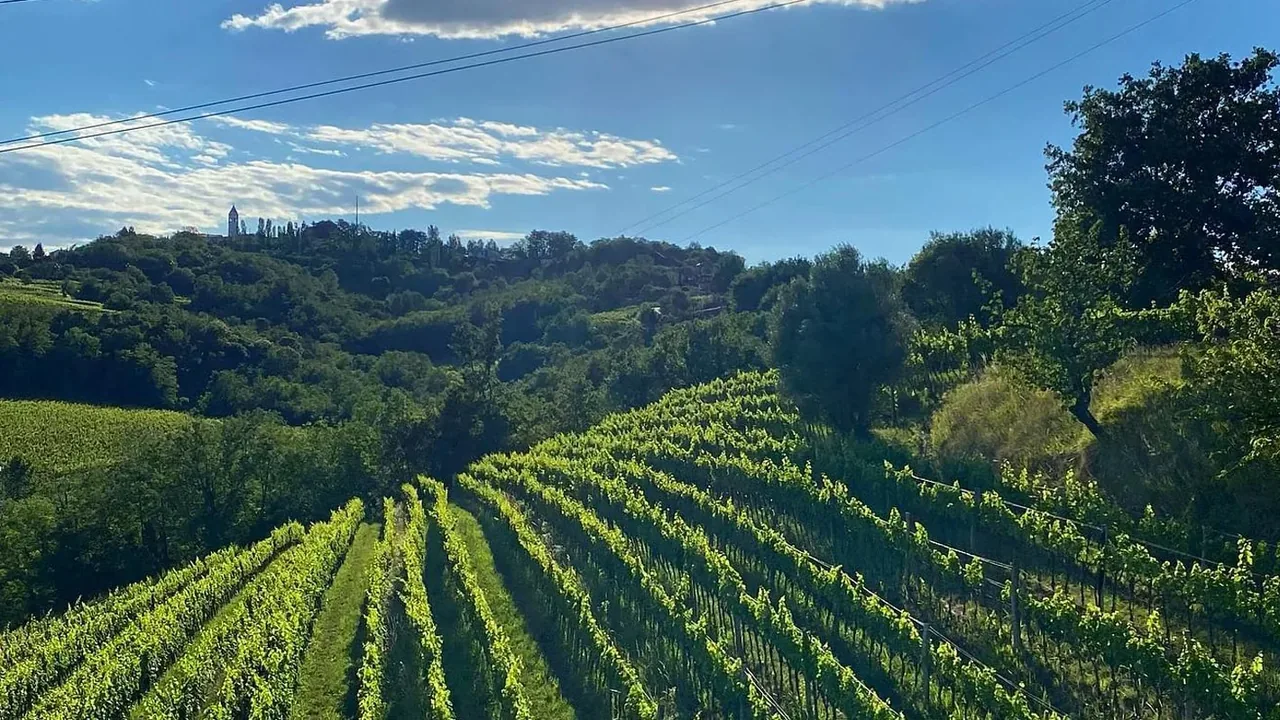
Radikon, Oslavia, in the Collio hills of Friuli, on the Slovenian border.

Leave white grapes on their skins for weeks or months and the wine comes out amber, tannic, and structurally closer to old Sherry than to white Burgundy. In the 1990s, doing this deliberately was regarded as either a mistake or a provocation.

Stanko Radikon spent that decade rethinking nearly everything he had been taught, and arrived, alongside Josko Gravner from the same village of Oslavia, at the origin point of the modern skin-contact movement: extended maceration, no sulphur, years in large Slavonian oak, bottled unfiltered. The estate is ICEA certified organic, and the farming is as uncompromising as the cellar work.

Radikon
Oslavia, the village Radikon shares with Gravner; the estate is ICEA certified organic.

Stanko Radikon's line was that he sent his son Saša to take a winemaking degree so that he would learn exactly what not to do. The wines challenge the assumption that white wine should be pale, clean and quickly consumed, and they are not for everyone — which the family have never pretended otherwise about.

Stanko died in 2016; his son Saša continues with the same standards and the same refusal to simplify. The influence on winemakers in France, Australia and the United States who have since experimented with skin contact cannot be measured in cases produced. It shows up instead on wine lists everywhere.

Why it’s remarkable

1995
the year he stopped making white wine the modern way
Stanko Radikon moved his Ribolla to extended skin maceration — not the few hours a modern white gets, but weeks and sometimes months, in three-thousand-litre wood. He was reaching back to how the wines of Oslavia had been made before temperature-controlled steel arrived.
2002
no added sulphites on the flagship wines since that vintage
The long skin contact is what makes it possible: the tannins and phenolics extracted from the skins do the protecting that sulphur dioxide would otherwise do. It is a technical solution rather than an article of faith.
500ml and 1 litre
custom bottles sized for the wine, not for the shelf
Narrow-necked formats designed around how the wine ages, in a trade that prices, lists and taxes almost everything by the 750. Every retailer and restaurant that stocks these has to make an exception to do it.
‘What not to do’
why he sent his son to winemaking school
Stanko Radikon’s line was that he sent Saša to take a winemaking degree so that he would learn exactly what not to do. Saša runs the estate now, and the wines have not moved back toward the syllabus.

Free Bacchus Verification

Track A
Formal third-party certification, confirmed against the issuing body’s own register.
Re-verified annually against the issuing body’s register. How re-verification works
Flagship
Oslavje
Best award
Trophy · Decanter World Wine Awards

If you’re buying

Price
Around US$70 for the flagship bottling. Approximate, and it moves with vintage and market.
Drinking now
Oslavje rewards five years and more, and the bottles are released late as it is. Serve it like a light red.
Serving
Serve at 14–16°C, not fridge cold, in a red-wine glass. Decant if young.
Availability
Generally obtainable through specialist retailers.
Tastes like
Deep amber whites with real tannin — dried apricot, walnut, tea and orange peel. Closer to a light red in structure.
Pairs with
Roast pork, aged cheese, or a rich mushroom dish.
Price bands are approximate and move with vintage, market and region. They are a guide, not a quotation.

Cheat sheet

Save it to your phone. Everything you need to recognise this producer, and three things worth saying about it, at a glance in a shop or across a table.

← Prophets RockThe Verification StandardRippon Vineyard →

More Verified Houses · Italy