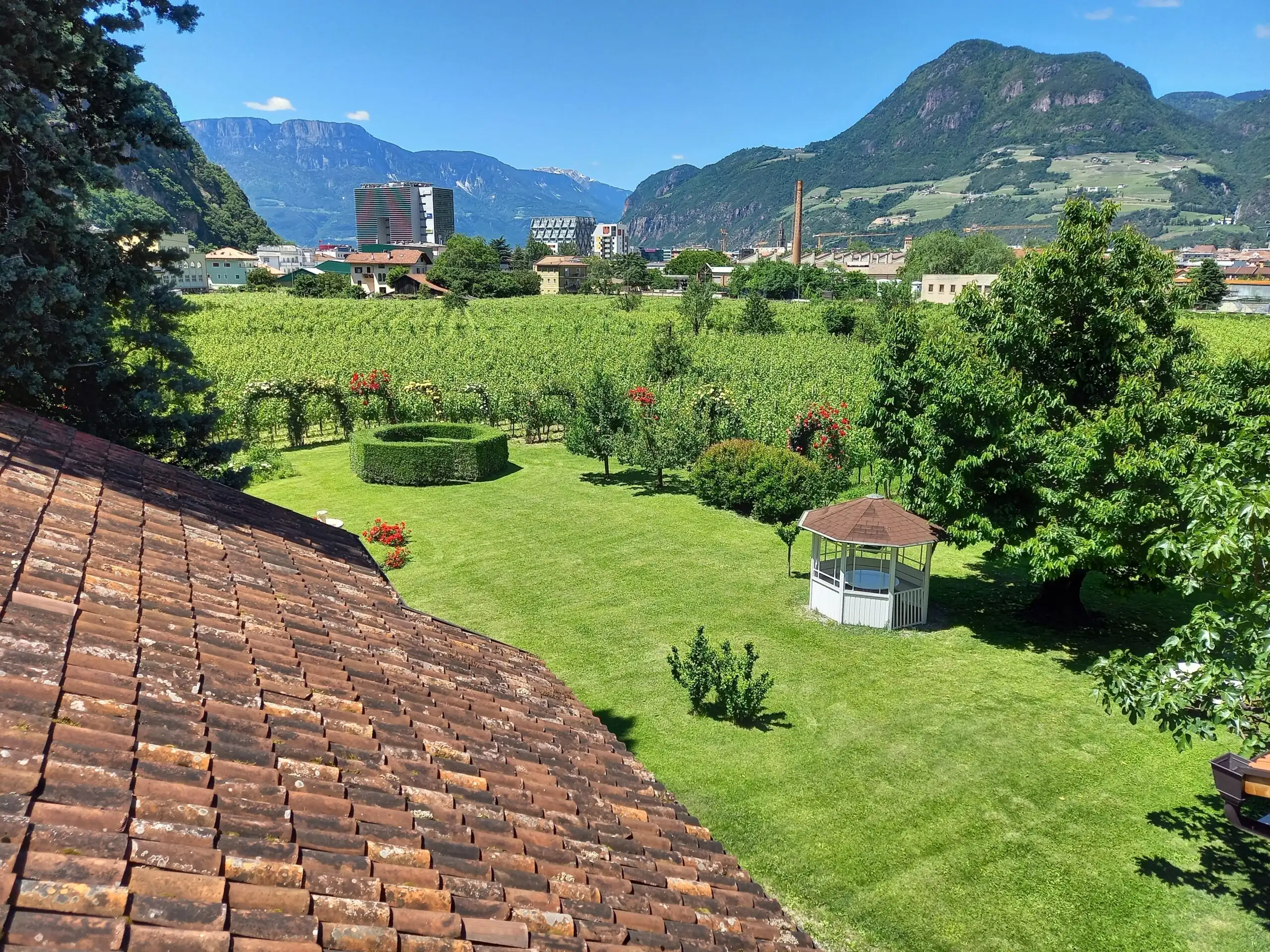
Nusserhof
The Free Bacchus Story
For years Heinrich and Elda Mayr labelled their Blatterle white ‘Blaterle’, one t short. Italy’s wine authorities do not recognise the grape, so even on a bottle labelled simply vino bianco, white wine, its name cannot legally appear. The misspelling worked until somebody pressed charges and accused the family of fraud. From the 2011 vintage the label said only ‘B.......’; it now reads ‘Bl.te.le’. As late as the 19th century this was the commonest grape around Bozen. About 1.5 hectares are left, and the Mayrs, with half a hectare, are the largest of the three growers who still have it.
The family has owned the Nusserhof, on the south-east side of Bozen (Bolzano in Italian), since 1788. Josef Mayr-Nusser was born here in 1910, into a family of winegrowers. Drafted into the SS in 1944, he said a day before the oath that his conscience would not let him swear it. He was sentenced to death and died on 24 February 1945 in a cattle wagon at Erlangen, on the way to Dachau, where he was to be shot. He was beatified in 2017. After the war, as the city spread, the farm was to be expropriated and demolished. The family fought for years, and in the mid-1980s it was placed under protection in his memory.
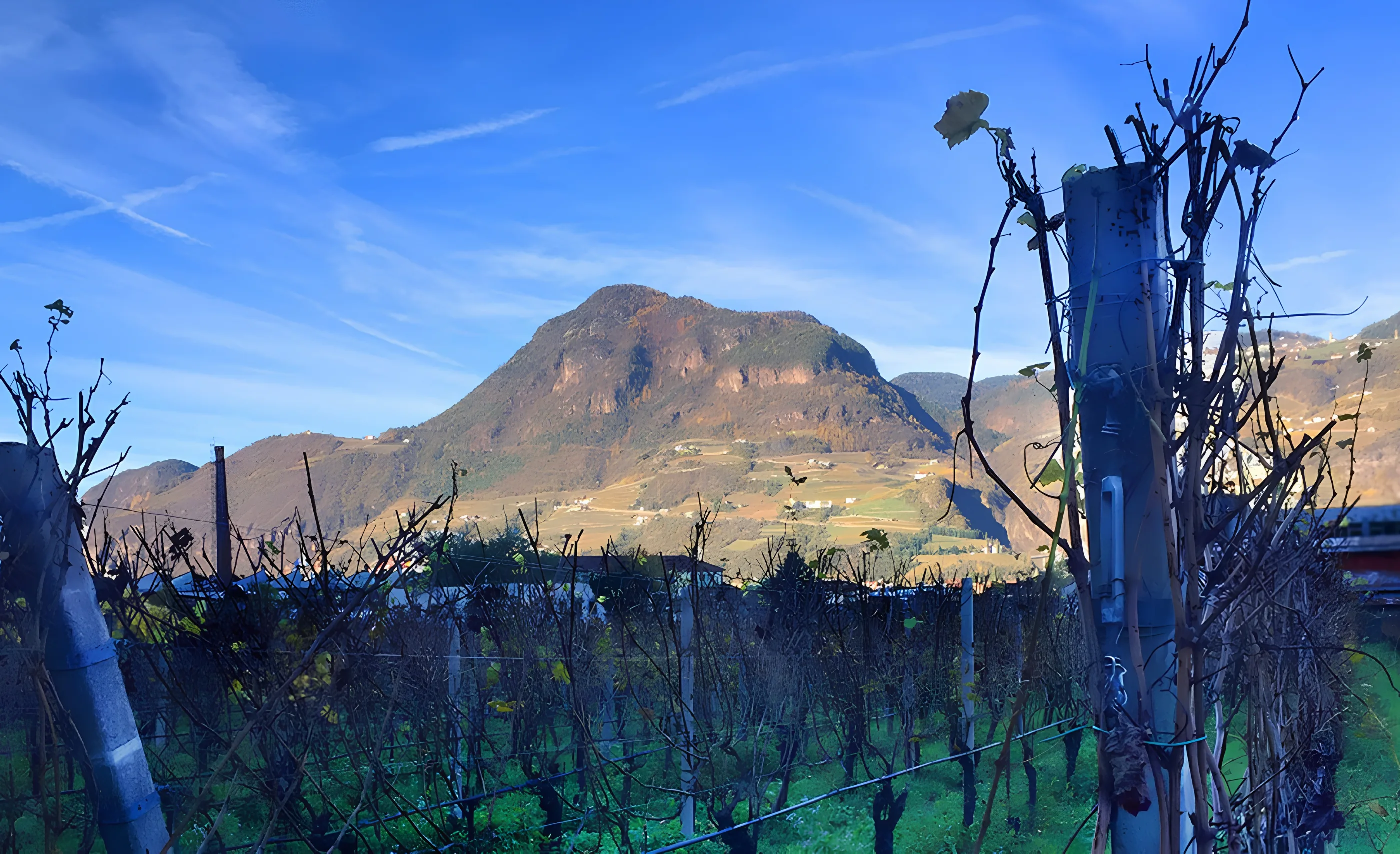
Bozen sits in Alto Adige, the German-speaking northern half of Trentino-Alto Adige, which labels its wine Südtirol. It is a region of mountain valleys best known for its whites, but Bozen lies low and warm, and it is where Lagrein has its roots. Two local red grapes show the range. Schiava, known locally as Vernatsch, is the light one, with only moderate tannin (the drying grip of bigger reds), and it is often served chilled as an aperitif. Lagrein is the dark one, full and velvety, with soft acidity and a taste of berries, cherries and violets. It had nearly died out by the end of the 1970s. Traditionally it was made mainly as a rosé, called Kretzer after the woven basket the grapes were once pressed through, and the Mayrs still make one.
Heinrich and his daughter Gloria share the work of vineyard, cellar, sales and office. Gloria came home in 2018 after spells in Tuscany, France and Germany, and in 2022 the Slow Wine guide gave her its young winegrower prize, praising a patience it called uncommon in the young. The Lagrein Riserva, their main wine, waits two and a half years in French oak casks and at least two more in bottle, well beyond the three its appellation asks. Gloria, their old-vine Lagrein, is named for the glory of vines up to 90 years old, not for Gloria Mayr. First judged ‘not typical’ by the appellation, it is sold as plain vino rosso.
The farm is certified organic by ABCERT, and the certificate, in Gloria’s name since June 2026, covers all of it: 4.67 hectares of vines and 3.3 of apple trees, the winemaking, and every wine they make, each by name. Slow Wine gave the estate its Chiocciola, the snail it awards to wineries that pair excellent wine with Slow Food’s values, in the guide’s first edition, for 2011, and has done so in each of the last four.
“Bees, wasps and birds diminished the yields some”
Why it’s remarkable
Free Bacchus Verification
ABCERT EU organic
Certified1
- EU organic, ABCERT (certificate IT-BIO-013.380-0074283, in Gloria Mayr’s name, to June 2029), for the whole estate: its 4.67 ha of vines and its apples, the winemaking, and every current wine by name
If you’re buying
Cheat sheet
Save it to your phone. Everything you need to recognise this producer, and three things worth saying about it, at a glance in a shop or across a table.