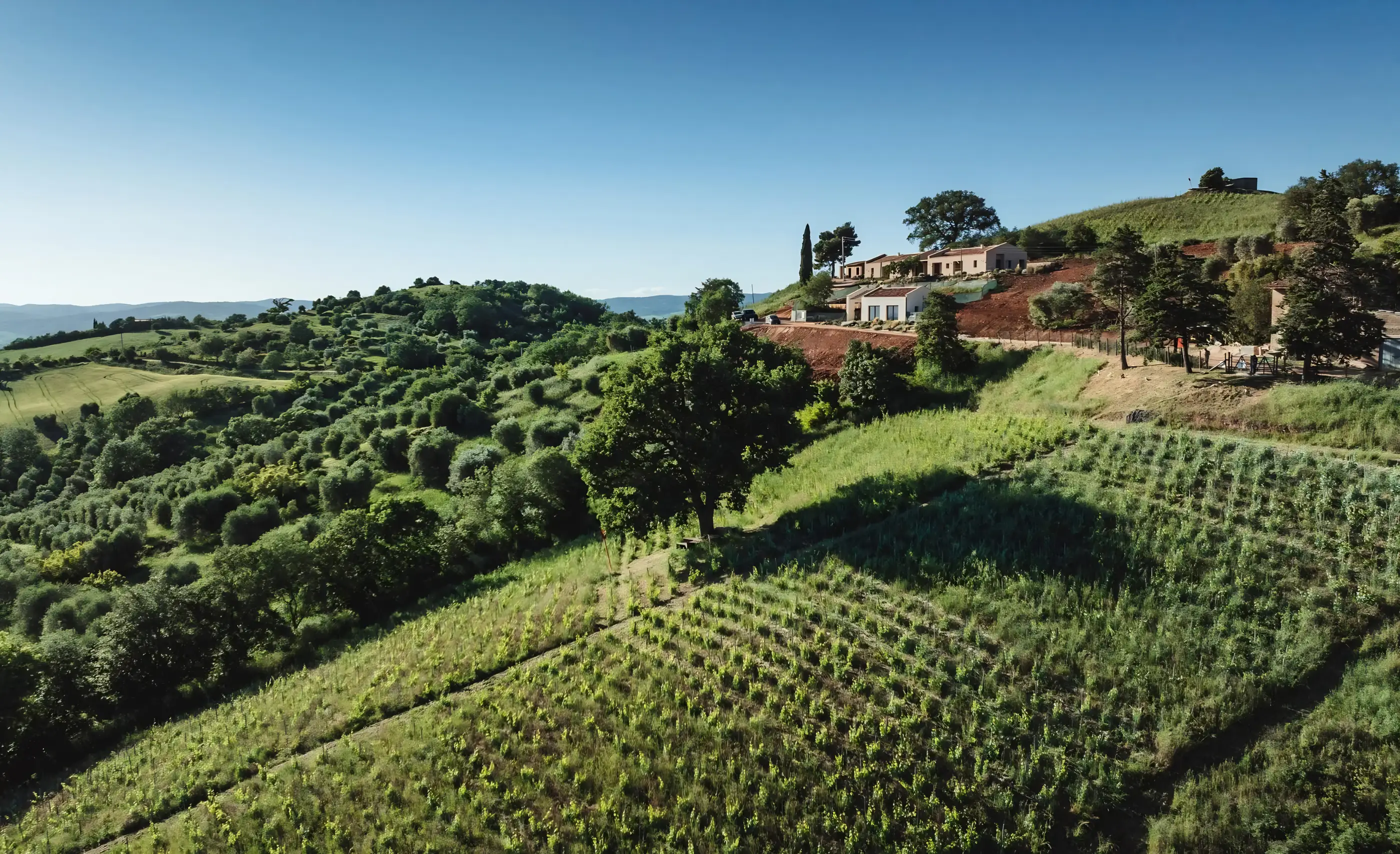
Fattoria La Maliosa
The Free Bacchus Story
In 2012 Antonella Manuli described herself on the estate’s blog as a farmer who lives in Milan and does not hoe the soil. She is a businesswoman first, by her own account, who has lived between Italy, Switzerland and the United States, where she finished university. Ten years working at the Terme di Saturnia spa resort left her in love with the country around it, and in 2005 she found her piece of land there. It had been abandoned for decades.
The Maremma is the southern, coastal end of Tuscany, roughly the province of Grosseto. Left to itself it is marshland, and it has been drained three times: by the Etruscans, by the Romans and finally in the 1930s. Dante wrote of wild animals on its sands. Down here Sangiovese, the Chianti grape, ripens further and comes out rounder, as in the Morellino di Scansano grown in the coastal hills. The wine La Maliosa calls its most representative is white, though, and it is made the way a red is. Uni comes from Procanico, a local form of Trebbiano Toscano, a grape usually grown for quantity rather than character, off vines about 35 years old on volcanic soil at Pitigliano. The juice sits on the skins for three weeks, which turns it amber and gives it grip; the style is known as orange wine.
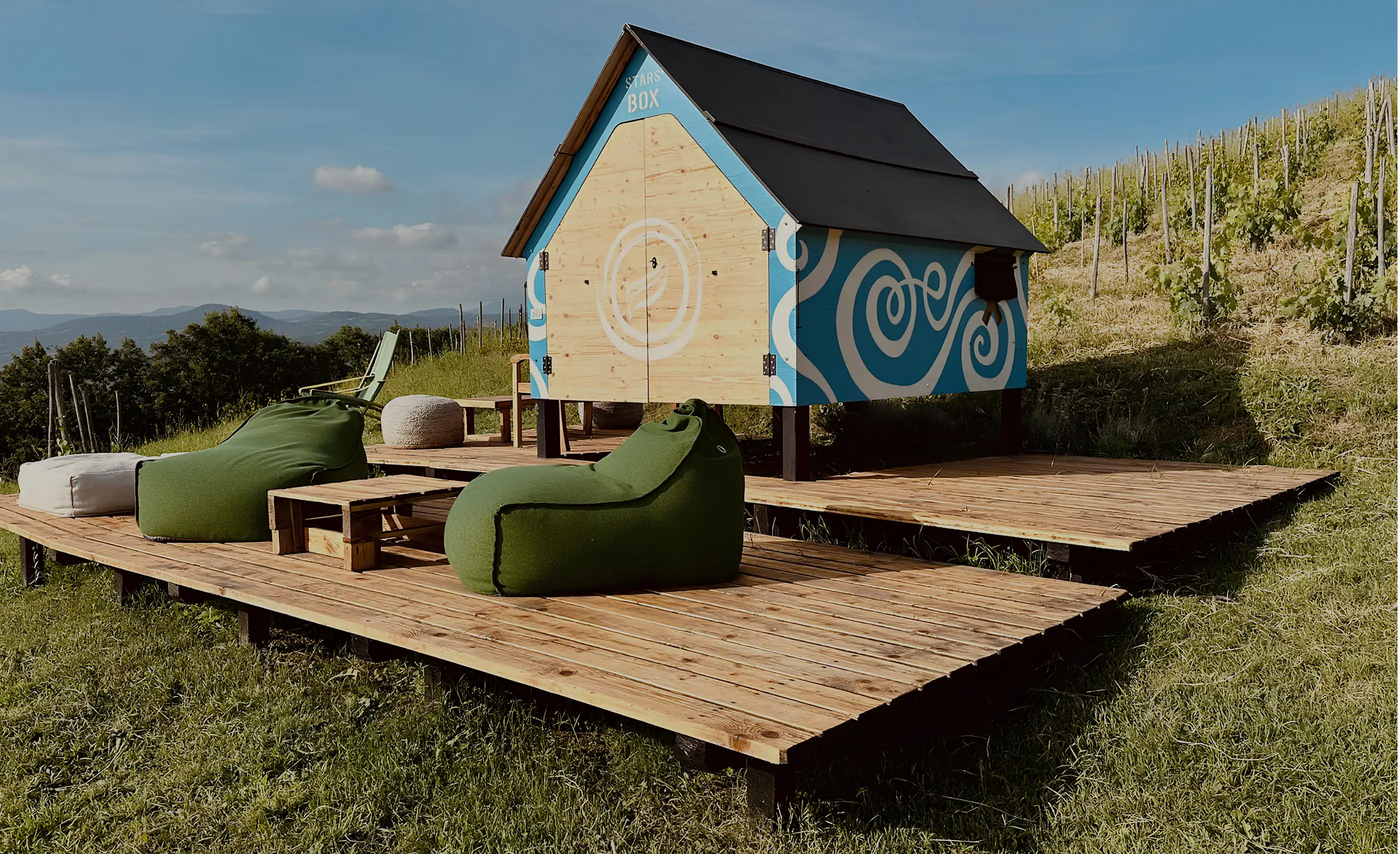
In December 2012 Manuli telephoned Lorenzo Corino, who until that month had been a research director at the Centro di Ricerca per l’Enologia in Asti, on the introduction of a winemaker he had advised. He arrived at La Maliosa in 2013, learned a few months later that he was ill, and gave the estate the years he had left. Together they worked out what is now the Metodo Corino, patent filed and name trademarked. The soil is fed only with plants grown on the farm, nothing is bought in to fertilise it and no animal manure is used, and in the cellar every additive is excluded. Corino died in November 2021.
The weather has tested all of it. Less than 200 millimetres of rain fell between October 2016 and October 2017, levels Corino compared to a desert, and frost in late April caught shoots that were already well grown. In 2022 drought and early heat made many of the flowers fail, and the estate made 1,204 bottles of its Rosso.
The EU organic register lists the company behind the estate, Olis Società Agricola, under QCertificazioni for its grapes and its wine, and the current labels of Uni, the Rosso and Saturnalia rosso read ‘vino biologico’, organic wine. Not all of its production is organic, though: the certificate records its wine as organic production alongside non-organic production, and a small part of the vineyard stays in conversion until 2029. Demeter Italia listed La Maliosa among its producers in 2012; neither Demeter register lists it today. In July 2026 the estate opened a new cellar, underground beneath a garden roof. Uni is the flagship. Saturnalia rosso, a red of Ciliegiolo, Sangiovese and Cannonau grigio, costs a little over half as much in the US and is the easy way in.
“Non mi vedrete mai fotografata sul trattore con un cappellino di paglia”
Why it’s remarkable
Free Bacchus Verification
QCertificazioni EU organic
Certified1
- EU organic, QCertificazioni (IT-BIO-014.380-0043337): operator Olis Società Agricola S.r.l., grapes and wine
Also on record2
- Not all of its production is organic: the register records its wine as organic production alongside non-organic production
- Some vines stay in conversion until 2029
If you’re buying
Cheat sheet
Save it to your phone. Everything you need to recognise this producer, and three things worth saying about it, at a glance in a shop or across a table.