Skip to content
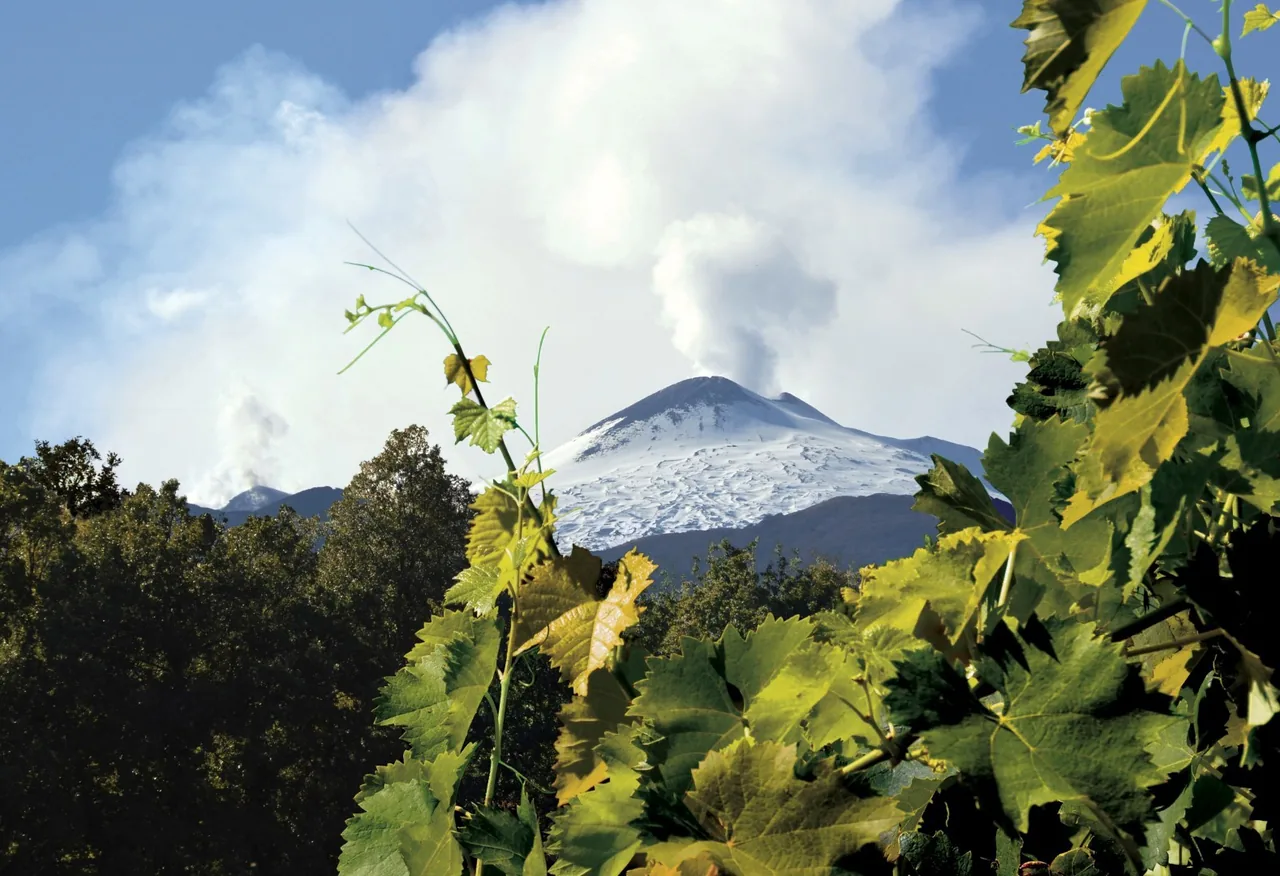
Vine leaves in the foreground and a snow-capped volcano with a steam plume above dark woodland
MiloEtnaSicilyItalyWine

Cornelissen

kor-neh-LIS-sen · Etna is ET-na
Gold TierTypically $200+
Last verified · October 2026

On the northern face of Etna there are vines that were never grafted onto American rootstock, because phylloxera could not survive the volcanic soil. They are pre-phylloxera plants, surviving in isolated plots at altitude, and for most of the twentieth century almost nothing serious was being made from them.

Frank Cornelissen, a Belgian former wine merchant, arrived in 2000 having concluded that the combination of volcanic soil, ungrafted old vines and the mountain's enormous day-to-night temperature swing amounted to one of the great terroirs on earth. The farming he established is certified organic and the winemaking is about as non-interventionist as the climate permits — no additives, often no sulphur, vinification in clay and fibreglass.
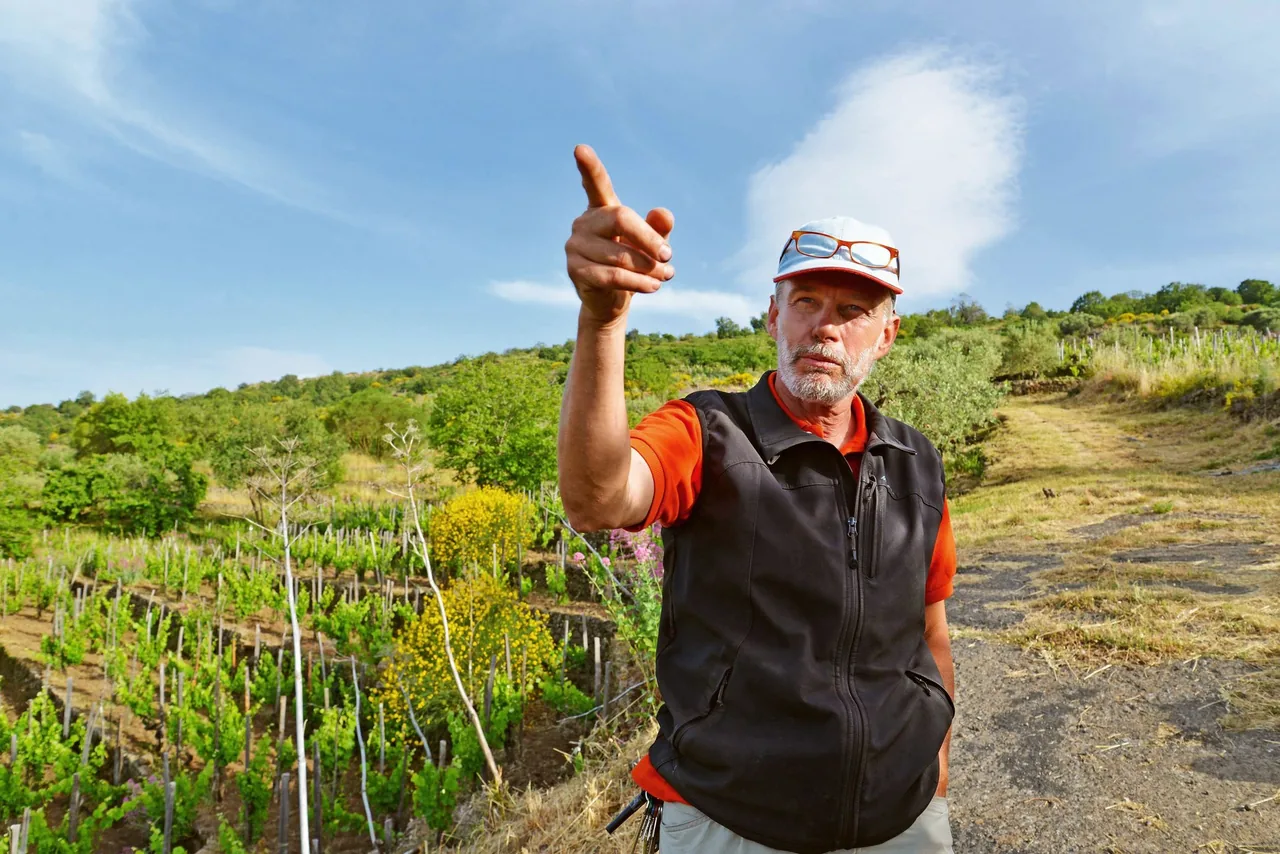
A man in a pale cap and black vest points across young vine rows on terraced slopes, yellow-flowering shrubs beside them

That approach produces genuine disagreement, and it would be dishonest to smooth it over. Some vintages show the volcanic precision his supporters consider among the most distinctive in Italy; earlier ones showed the instability that comes with working without a safety net in a difficult climate. The recent record has tilted decisively toward the former, which is what a producer learning their site looks like from the outside.

Cornelissen has said the real obstacle to making wine without additives is that the knowledge of how to do it had disappeared. He arrived from Belgium without a winemaking background and had to fail his way back to a lost method.

What that farming puts in the glass is worth stating plainly, because it is not a polished wine and is not trying to be. Etna's red grape, Nerello Mascalese, is pale and lighter-framed than Sicily's reputation suggests, and here it arrives at full volume: red fruit, wood ash, a faintly metallic edge like iron, and a grip that closes the mouth rather than coating it. Made without additives and often without sulphur, it can also turn up shut and need air before it says much of anything. That is the trade for the intensity, and the whole objection for anyone who would rather a wine simply behaved.

Magma, from the highest ungrafted plots, has drawn 97 points from Wine Advocate. It is one of a small number of Italian wines that has created collector demand from people who had never previously thought about Sicily at all.

“Really I was just a gardener for the first few years.”
Frank CornelissenOwner, on his first vintages on Etna, 2015 · The Morning Claret

Why it’s remarkable

Sterile, not slack
working without sulphur demands more hygiene, not less
Magma is made without added sulphur dioxide, without filtration and without additives. Cornelissen’s own position is that doing this requires an absolutely sterile cellar — the exact opposite of the do-nothing caricature attached to wines made this way.
900 metres
up the northern flank of an active volcano
The vineyards sit in small separate parcels on Etna, the highest around nine hundred metres. Farming here means accepting that the ground you work on is not geologically settled.
The skills were gone
he had to fail his way back to a lost method
Cornelissen has said the real obstacle to making wine without additives is that the knowledge of how to do it had disappeared. He arrived from Belgium without a winemaking background and, by his own account, did not know when to bottle in the early years.
Not ‘natural wine’
he rejects the term for what he does
His formulation is that he does not make natural wine — he makes wine with nothing added. It is a distinction about accuracy rather than modesty, and it is the kind of precision this platform exists to reward.
Independently certified, and checked against the issuing body’s own register. Not a compromise on quality — see how we verify.

Free Bacchus Verification

Track A
Formal third-party certification, confirmed against the issuing body’s own register.

Certified Organic

Certified1
  • Certified Organic
Re-verified annually against the issuing body’s register. How re-verification works
The producer’s own sitefrankcornelissen.it
Producers don’t pay to be here. There is no fee to be listed and no way to buy a higher tier. If the evidence doesn’t hold, the bottle isn’t here.
Flagship
Magma Rosso

If you’re buying

Price
Around US$300 for the flagship bottling, which is allocated rather than openly sold. Approximate, and it moves with vintage and market.
Drinking now
Magma is allocated and rewards five to ten years. The Munjebel bottlings are more approachable and ready sooner.
Serving
Serve at 15–16°C. Decant if young — these can be reductive on opening.
Availability
Allocated — released to a limited list, so expect to wait or hunt.
Tastes like
Etna reds of startling intensity — red fruit, ash, iron and grip. Nothing about them is polished, and that is deliberate.
Pairs with
Grilled meat, aged cheese, or something with real char on it.
Price bands are approximate and move with vintage, market and region. They are a guide, not a quotation.

Cheat sheet

Save it to your phone. Everything you need to recognise this producer, and three things worth saying about it, at a glance in a shop or across a table.

37 verified producers in Italy →

From the Journal

← Clos MogadorThe Verification StandardFontodi →

More Verified Houses · Italy

Where to go next

Three more from the cellar, chosen by what is in the glass rather than where it is from.

Domaine DujacRed · France Pyramid ValleyRed · New Zealand Eisele VineyardRed · United States
↑