Skip to content
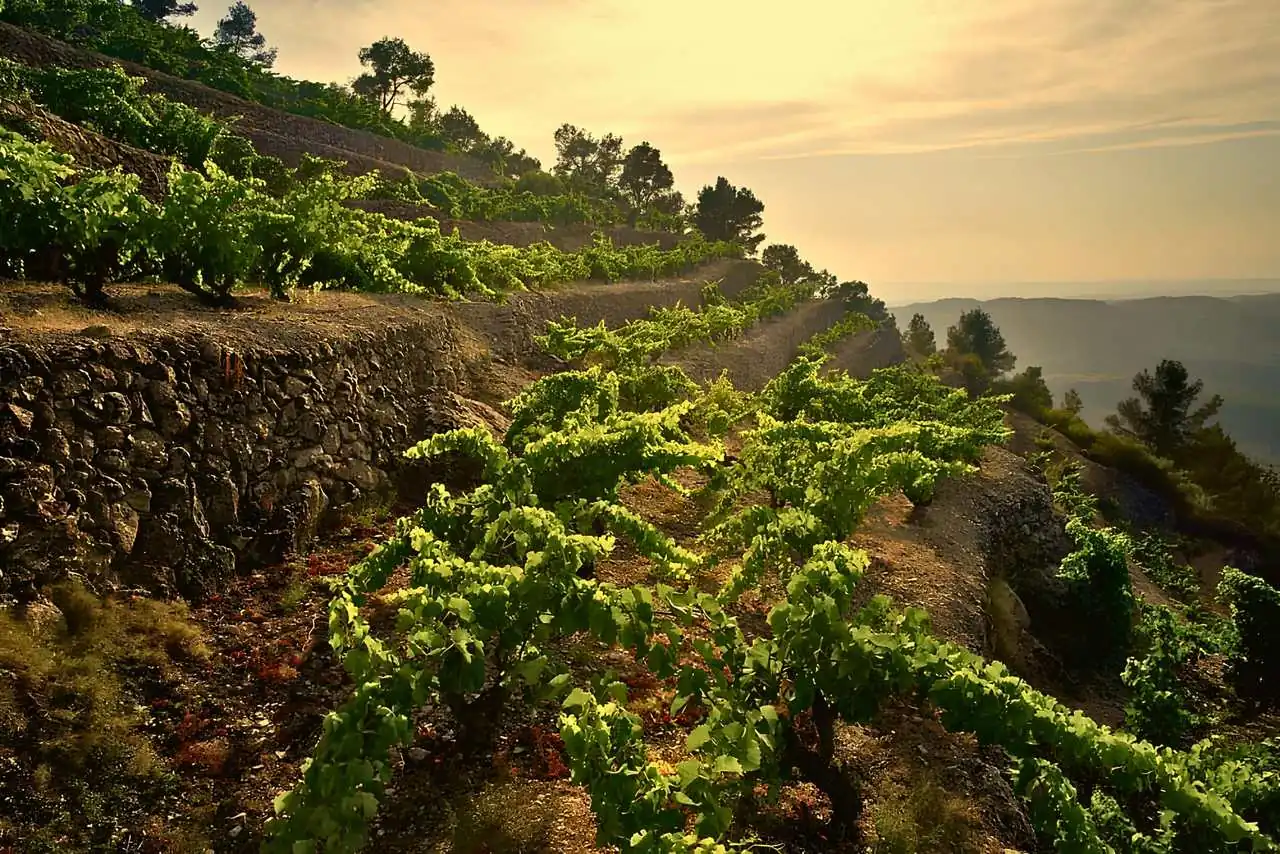
Leafy bush vines on a steep dry-stone terrace above a hazy valley, with pines on the ridge in warm golden light
GratallopsPrioratCataloniaSpainWine

Clos Mogador

kloh moo-ga-DOR · Priorat is pree-oo-RAHT
Gold TierTypically $90–200
Last verified · August 2026

By the late 1980s Priorat's vineyards had dwindled to about 600 hectares, and the region looked to be in terminal decline. René Barbier had bought a small plot above Gratallops in 1979 and planted it with more Garnacha and Cariñena and some Cabernet Sauvignon and Syrah.

Barbier is one of five winemakers who re-established Priorat as a serious region in the late 1980s, and Clos Mogador, mostly old-vine Garnacha and Cariñena grown on llicorella slate and made since 1989, was one of the five wines that launched modern Priorat. The estate says it became a certified organic grower in 2012. The grapes are certified by the CCPAE, Catalonia's organic control body, though the wine itself is not, and the Regenerative Viticulture Association lists Clos Mogador among its certified wineries, with biodynamic methods alongside.
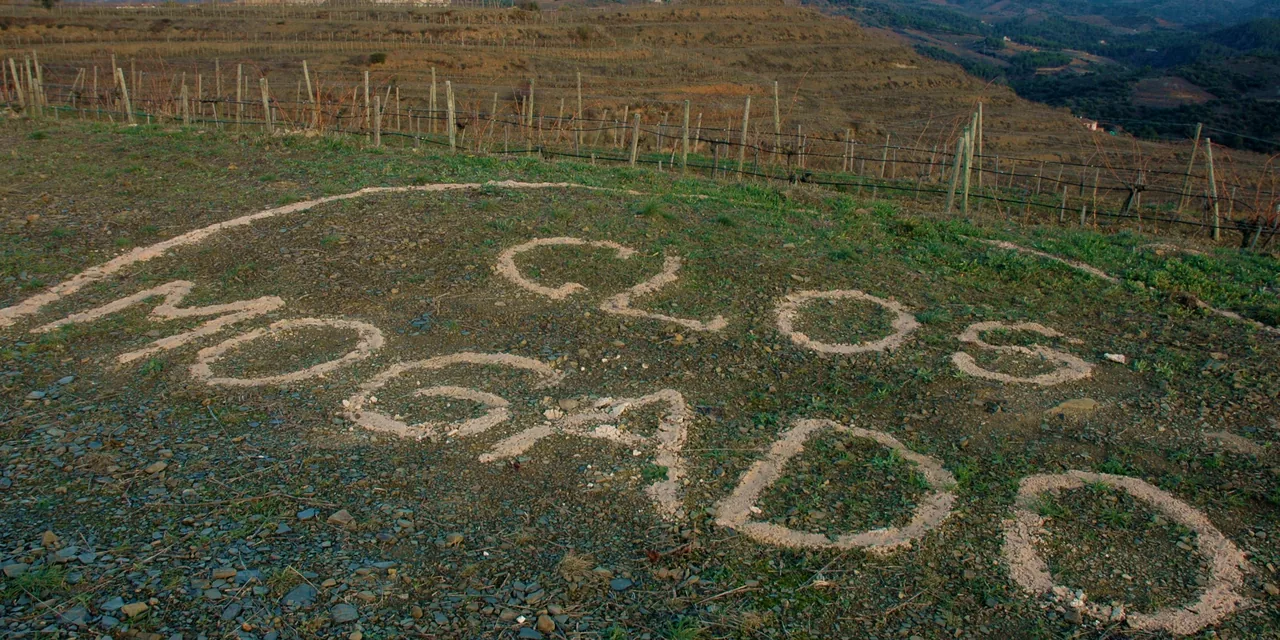
The words Clos Mogador spelled out in pale stones on dark stony ground, with trellised vine posts and terraced slopes behind

In 1989 he drew together Josep Lluís Pérez, Carles Pastrana, Álvaro Palacios and Daphne Glorian, and their shared first vintage set off Priorat's revival.

The 2022 Clos Mogador drew 97 points from Wine Advocate. Manyetes, all Cariñena since 2011 and made in a seventh of the quantity, is more limited and arguably the more revealing bottle for anyone following how the estate has developed.

Barbier's influence extends well past his own labels: his son René Barbier Meyer also runs Venus La Universal in neighbouring Montsant with Sara Pérez, daughter of fellow pioneer Josep Lluís Pérez, which makes Clos Mogador something like a founding institution of modern Priorat.

Why it’s remarkable

Five people
pooled one 1989 vintage and set off Priorat’s revival
René Barbier bought his first Priorat vineyard in 1979 and drew together Josep Lluís Pérez, Carles Pastrana, Álvaro Palacios and Daphne Glorian. The group released a joint 1989 vintage, when Priorat’s vineyards had shrunk to about 600 hectares; the revival began with them. Palacios is also on this site.
2006
the first wine in Catalonia to hold Vi de Finca Qualificada
Catalonia’s highest single-estate classification, and Clos Mogador was the first to be awarded it. Unlike a competition medal, this is a legal designation for a wine from one defined piece of land.
Llicorella
llicorella slate, on slopes where machines can do little
Some of the vines are a hundred years old, alongside much younger plantings, on the region’s characteristic broken slate, with the grapes certified organic and regenerative and biodynamic practice on top. On gradients like these the grapes are picked by hand, and the soil is worked with animals and light machinery.
Independently certified, and checked against the issuing body’s own register. Not a compromise on quality — see how we verify.

Free Bacchus Verification

Track A
Formal third-party certification, confirmed against the issuing body’s own register.

CCPAE organic grapes, not the wine · Regenerative Viticulture Association

Certified2
  • CCPAE organic (ES-ECO-019-CT): Clos Mogador SL, the grapes
  • Regenerative Viticulture Association: listed among its certified wineries
Not covered1
  • The wine itself, which is not certified
Also on record2
  • Part of the vineyard in conversion
  • Biodynamic methods, not certified
Re-verified annually against the issuing body’s register. How re-verification works
The producer’s own siteclosmogador.cat
Producers don’t pay to be here. There is no fee to be listed and no way to buy a higher tier. If the evidence doesn’t hold, the bottle isn’t here.
Flagship
Clos Mogador Priorat

If you’re buying

Price
Around US$100–125 for the flagship bottling. Approximate, and it moves with vintage and market.
Drinking now
Keeps improving for ten years or more, though it can be drunk young. Young bottles need air.
Serving
Serve at about 16°C. Decant a young bottle for between half an hour and two hours.
Availability
Generally obtainable through specialist retailers.
Tastes like
Priorat with weight and mineral grip: ripe dark fruit, graphite and wet slate, with fine, chalky tannins and a bone-dry finish.
Price bands are approximate and move with vintage, market and region. They are a guide, not a quotation.

Cheat sheet

Save it to your phone. Everything you need to recognise this producer, and three things worth saying about it, at a glance in a shop or across a table.

20 verified producers in Spain →

From the Journal

← Château RayasThe Verification StandardCornelissen →

More Verified Houses · Spain

Where to go next

Three more from the cellar, chosen by what is in the glass rather than where it is from.

Domaine de TrévallonRed · France Tablas Creek VineyardRed · United States Castello dei RampollaRed · Italy
↑