Domaine de Trévallon
The Free Bacchus Story
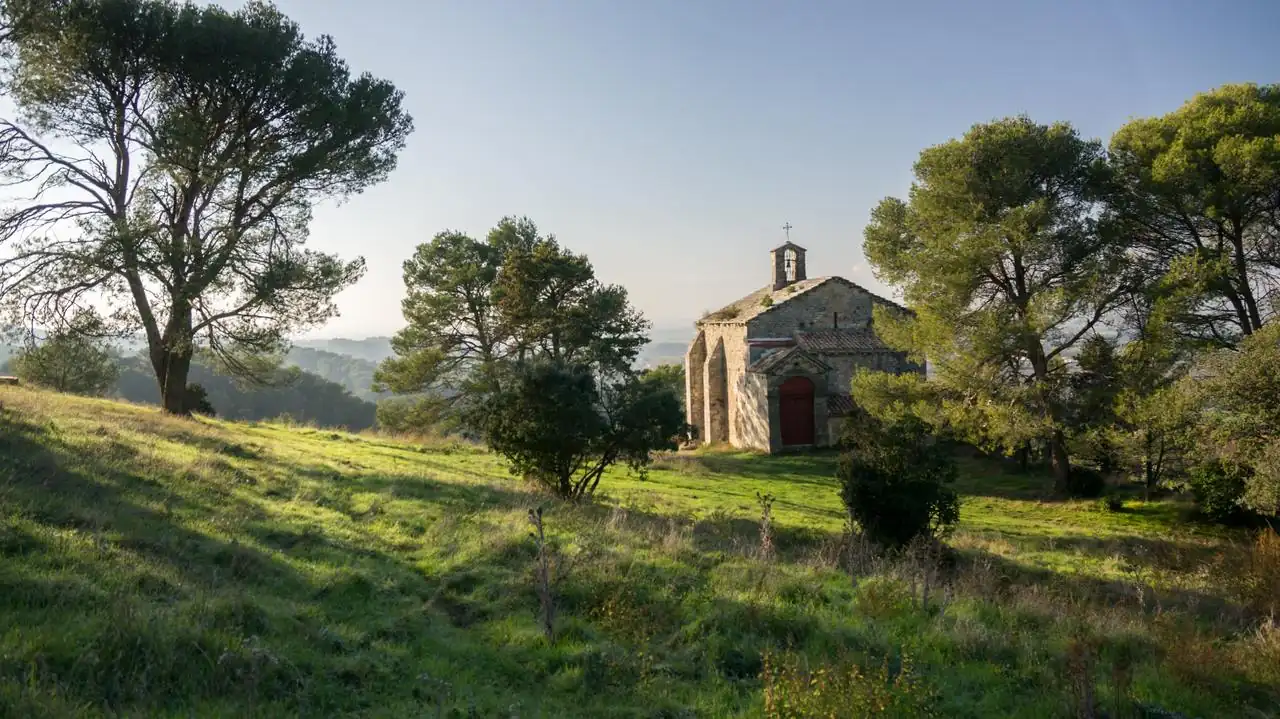
Eloi Dürrbach planted Cabernet Sauvignon and Syrah on the rocky slopes of the Alpilles in 1973. For twenty years the wine carried the local appellation, Coteaux d'Aix; then the rules changed. When the rules capped Cabernet Sauvignon at 20%, Trévallon was planted half Cabernet and half Syrah, and replanting would have been ruinous — so the Dürrbachs refused, and accepted demotion out of the appellation altogether. Trévallon spent years producing one of the most celebrated wines in Provence under a plain Vin de Pays designation.
That episode concentrated rather than damaged its reputation among the people who had actually tasted it. The farming was organic from the start, the estate says, and has been certified by Ecocert since the 2010 vintage, helped by the site: garrigue scrubland and rocky limestone. The estate calls organic farming an obvious truth here rather than a choice; the harder problem now is climate, and spring frost and summer drought cut the 2021 crop.
The red, a roughly equal blend of Cabernet and Syrah, starts to show its charm after five years in bottle and can age for fifteen to twenty-five.
Eloi Dürrbach died in 2021; his daughter Ostiane now runs the estate, with her brother and sister. The appellation rules, meanwhile, remain what they are, a reminder that the categories wine is sold in and the quality inside the bottle are only loosely related.
Why it’s remarkable
Free Bacchus Verification
Ecocert France organic
Certified2
- Ecocert France organic (FR-BIO-01) — SCEA Domaine de Trévallon, engaged 10 March 2007, growing and winemaking
- Certified-organic wine from the 2010 vintage
If you’re buying
Cheat sheet
Save it to your phone. Everything you need to recognise this producer, and three things worth saying about it, at a glance in a shop or across a table.