Skip to content
Château Rayas
Châteauneuf-du-PapeRhône ValleyFranceWine

Château Rayas

sha-TOH ray-AHSS · Châteauneuf-du-Pape is sha-toh-NUF-dew-PAP
Gold Tier
Last verified · August 2026
Château Rayas, Châteauneuf-du-Pape, in the southern Rhône.

Everything about Rayas sounds like it should not work. The most celebrated wine in Châteauneuf-du-Pape is made entirely from Grenache, planted two metres apart and at the lowest density in the appellation, on sandy soils most of its neighbours consider marginal.

The family have kept their distance from the trade, the press and the certifying bodies alike for three generations. Emmanuel Reynaud, who inherited from his uncle Jacques, maintains the same chemical-free farming Jacques practised, without certification, a practice independently corroborated by importers and critics who have visited across decades. Under our standard this is Track B: verified practice with documented corroboration and a longstanding estate tradition that predates the certification infrastructure entirely. The refusal is not a gap in the farming. It is of a piece with a privacy that borders on absolute.
Château Rayas
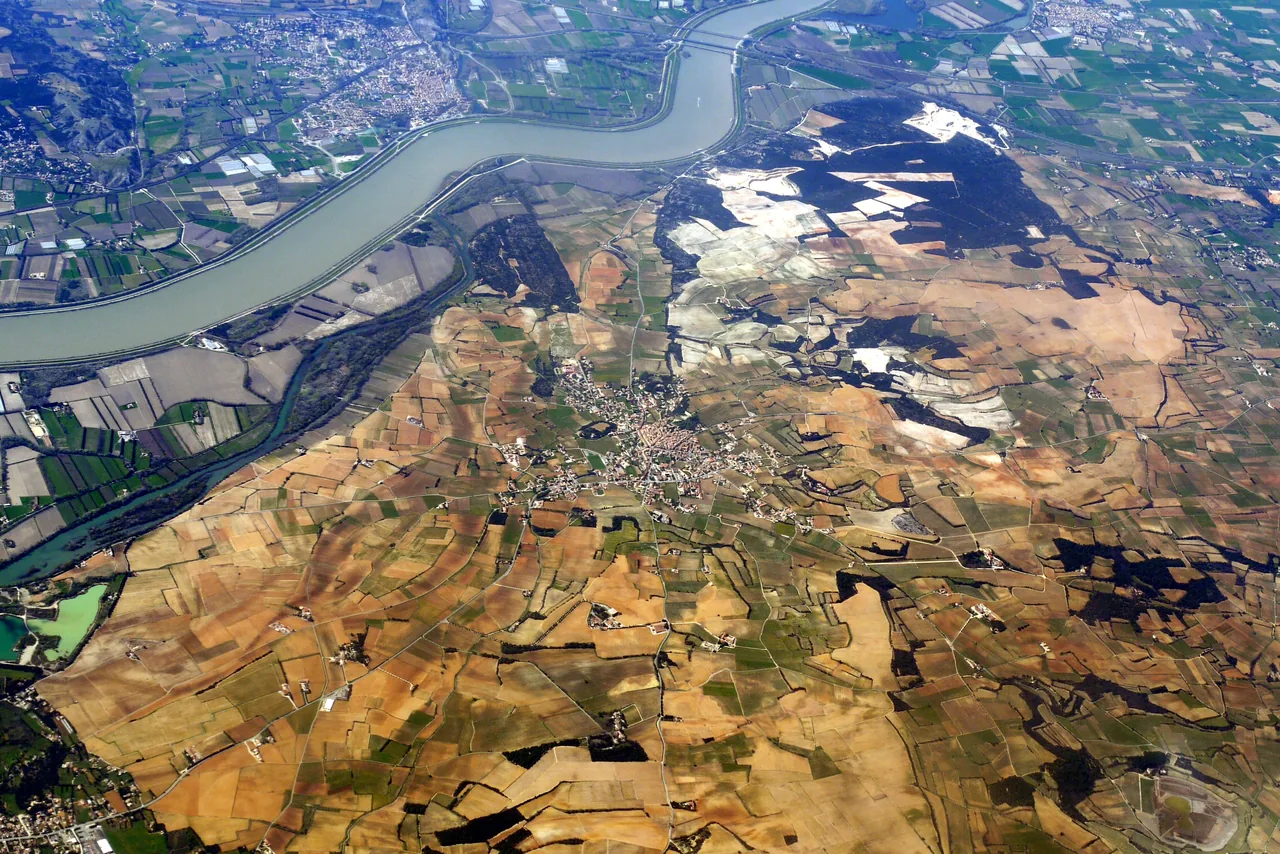
Châteauneuf-du-Pape from the air: Rayas sits on sandy soils, at the lowest planting density in the appellation.

Each vine here carries about two hundred grams of fruit, against roughly a kilogram on neighbouring estates. There is no trick to it and no upside beyond the wine: it is a decision to sell far less of it.

The wine draws 97 points from Wine Advocate and has been described by multiple critics as among the finest made in France in strong vintages. The style is unlike anything else in the southern Rhône — pale, Burgundian in structure, seemingly fragile when young, revelatory with age, and it comes directly from those sandy, low-fertility soils that the farming preserves rather than tries to improve.

Allocation is extremely limited and auction prices reflect demand well beyond supply. We list it because the evidence supports it, not because it is purchasable in any ordinary sense.

“A mix of ages gives complexity to the wine. It’s like a family.”
Emmanuel ReynaudProprietor, on replacing dead vines a few at a time, 2014 · Vinography

Why it’s remarkable

200 grams
of fruit per vine, against about a kilogram locally
Roughly a fifth of what other Châteauneuf producers take off each plant. There is no trick to this and no upside beyond the wine: it is simply a decision to sell far less of it.
2m × 2m
vine spacing, where neighbours plant at one metre
Fewer vines per hectare as well as less fruit on each one, so the two decisions compound. The vines sit on deep sand — between three and twelve feet of it — on an estate of about thirty acres ringed by a hundred acres of woodland.
70 years
is the average age of the barrels
Ageing happens in 600-litre demi-muids that have long since stopped giving anything to the wine, rather than in new barriques. Nothing in this cellar is there to add flavour.
No certificate
and no public claim to one either
Rayas holds no organic or biodynamic certification and does not market itself as farming either way. Track B rests on independently corroborated practice and a documented reason for not certifying — which here is an estate that publishes almost nothing about itself at all. A missing certificate is not evidence of anything on its own, in either direction.

Free Bacchus Verification

Track B
Verified chemical-free practice, corroborated independently where formal certification is not held.
Re-confirmed annually against the three conditions for Track B listing. How re-verification works
Flagship
Châteauneuf-du-Pape Blanc

If you’re buying

Price
Around US$500 for the flagship bottling, which is allocated rather than openly sold. Approximate, and it moves with vintage and market.
Drinking now
Rayas rewards a decade or more. Younger bottles are tightly wound and need considerable time, or a long decant.
Serving
Serve at 15–16°C, cooler than most Châteauneuf. Decant young bottles well ahead.
Availability
Allocated — released to a limited list, so expect to wait or hunt.
Tastes like
Pale for Châteauneuf and startlingly perfumed — red cherry, raspberry and dried herbs. Delicate rather than powerful.
Pairs with
Roast game birds, mushroom dishes, or a soft washed-rind cheese.
Price bands are approximate and move with vintage, market and region. They are a guide, not a quotation.

Start here instead

Château Pesquié — southern Rhône at around a tenth of the price, with Ecocert organic and Demeter biodynamic certification across the whole estate — the paperwork Rayas has never sought.

Cheat sheet

Save it to your phone. Everything you need to recognise this producer, and three things worth saying about it, at a glance in a shop or across a table.

← Antica TerraThe Verification StandardClos Mogador →

More Verified Houses · France