Skip to content
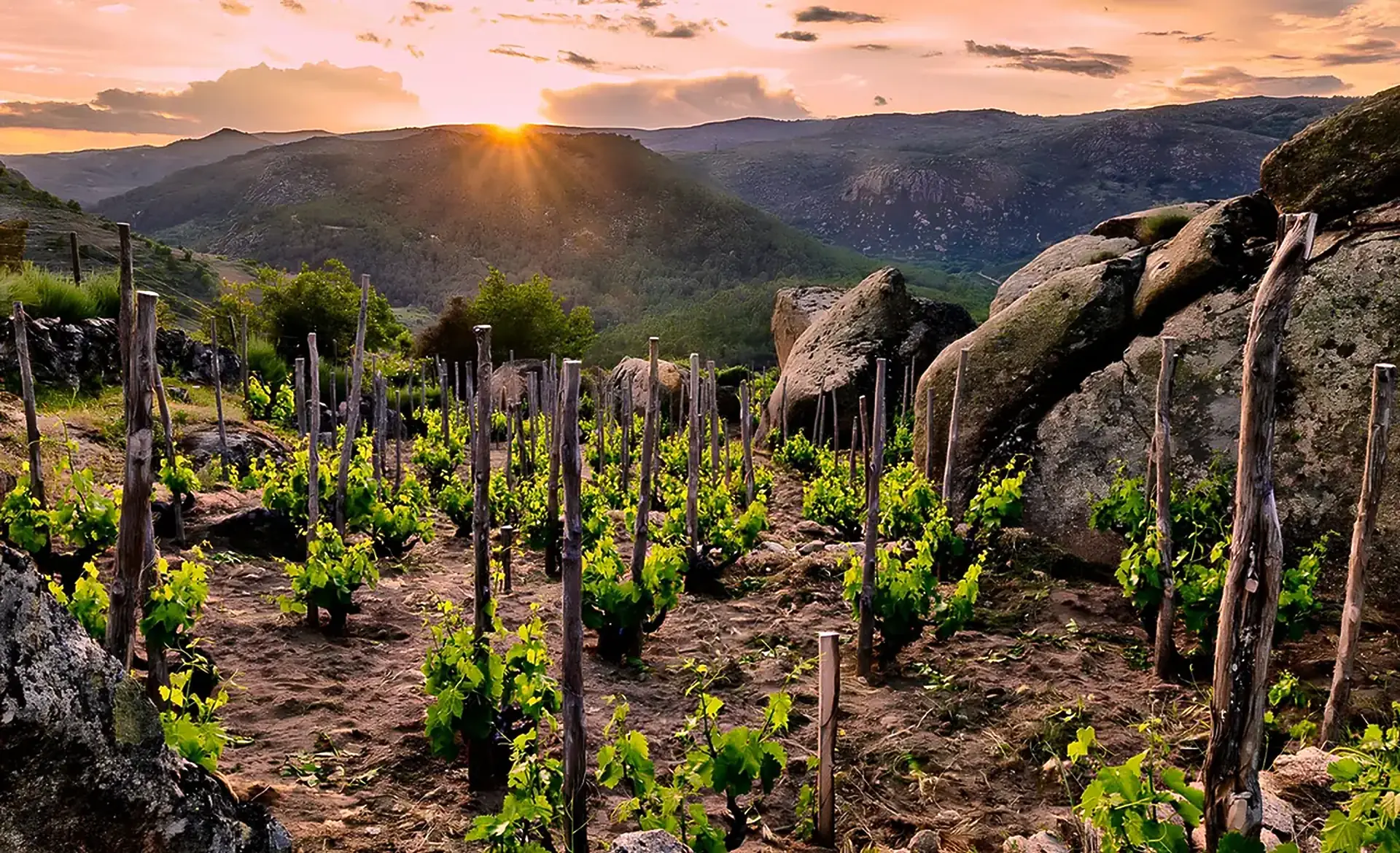
Staked vines among granite boulders with a mountain range behind at sunset
Sierra de GredosSpainOrganic Wine

Comando G

ko-MAHN-doh HAY · Garnacha is gar-NAH-cha
Gold TierTypically $45–90
Last verified · September 2026

Garnacha is the grape Spain spent decades tearing out to plant Tempranillo instead. Fernando García and Daniel Gómez Jiménez-Landi met at university in 2005, and by 2008 they had a company and a plan that amounted to going up into the mountains to find whatever was left of it.

Most people have met Garnacha already, and it usually turns up warm, generous and high in alcohol. The Sierra de Gredos does something else with it entirely. The range runs between Madrid and Ávila, and the old plots sit on granite at altitudes that would be unfarmable anywhere warmer — Rozas at nine hundred metres, Rumbo al Norte at eleven hundred and fifty. The nights stay cold right through ripening, the granite holds almost nothing a vine can live on, and what comes out of it is pale, light on its feet and perfumed, far nearer in shape to red Burgundy than to anything the word Garnacha usually promises.
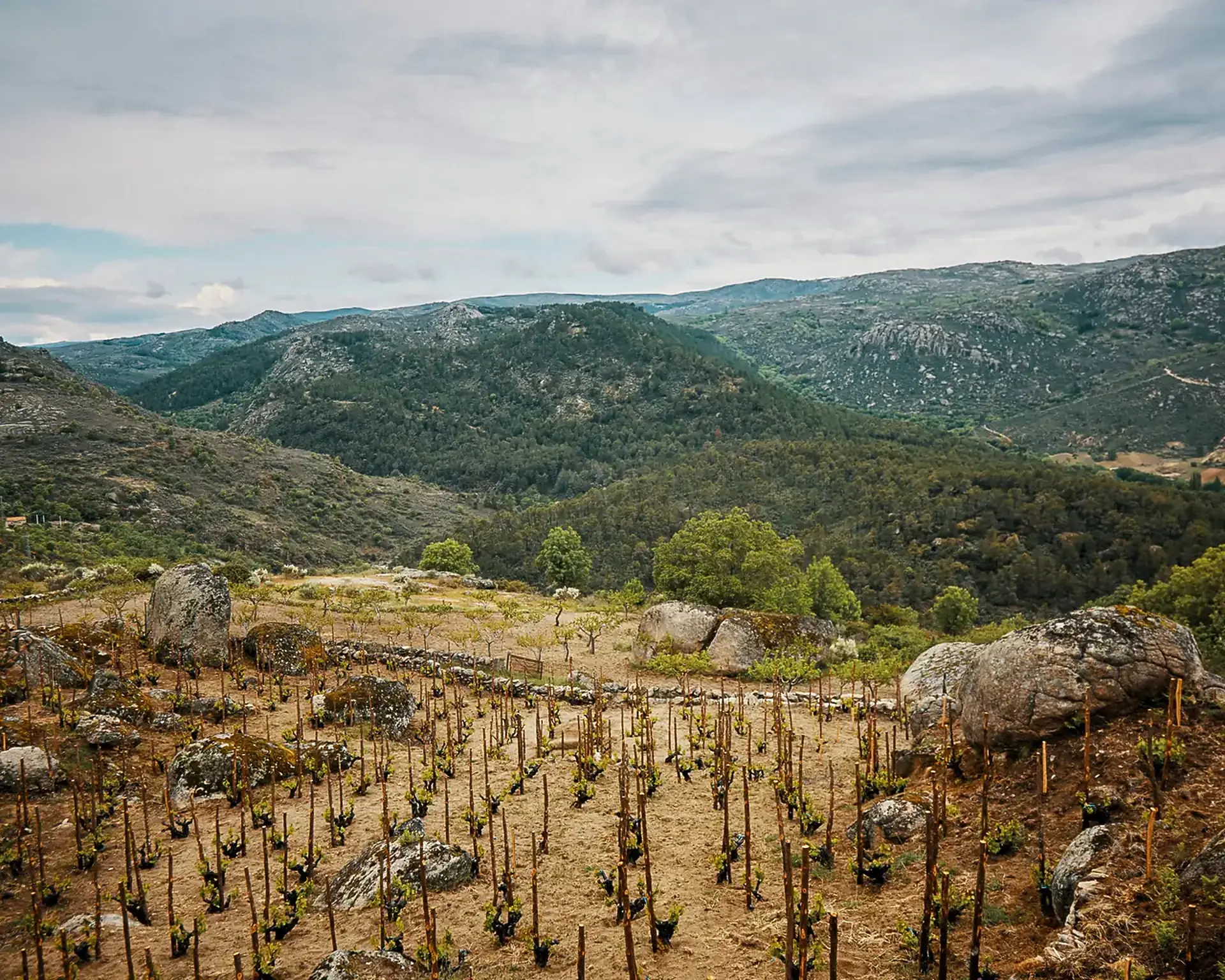
Walled plot of low staked vines among granite boulders on a hillside, with forested mountains beyond

The vines they were after are fifty to eighty years old, bush-trained, each on its own stake, in plots small enough to be named one at a time: Las Umbrías, Rumbo al Norte, Tumba del Rey Moro. Nobody was competing for them. They had survived precisely because they were too small, too steep or too far from anywhere to be worth grubbing up, which is the same set of reasons they are slow and expensive to farm today.

The organic certification is registry-verified in the EU's own TRACES system and runs to 2027, which is exactly the sort of thing this guide exists to check. It is also the least interesting thing about them. Two friends looked at a grape their own country had spent decades digging up, went to the highest and poorest ground they could find, and came back with a red that tastes nearer to Burgundy than to anything Spain was making at the time.

“I was particularly obsessed by the fact that Spanish wines lacked a mineral character”
Fernando Garcíaco-founder, 2015 · Spanish Wine Lover

Why it’s remarkable

1,150 metres
the height of the Rumbo al Norte plot
Rozas sits at about nine hundred metres and Rumbo al Norte at eleven hundred and fifty. At that altitude the nights stay cold through the ripening season, which is what keeps the acidity in a grape that usually loses it. The same planting a few hundred metres lower would make a completely different wine.
50 to 80 years old
vines nobody wanted, on land nobody was buying
Garnacha was pulled out across Spain through the late twentieth century in favour of Tempranillo, and the old plots that survived did so mostly because they were too small, too steep or too remote to be worth grubbing up. Those are the plots the two of them went looking for.
Granite
a rock that gives the vine almost nothing
The plots sit on granite, slate and quartz, which hold little water and less fertility. A vine on that ground puts out small crops without being asked to, and the plots are small enough to be named and picked one at a time — Las Umbrías, Rumbo al Norte, Tumba del Rey Moro.
Independently certified, and checked against the issuing body’s own register. Not a compromise on quality — see how we verify.

Free Bacchus Verification

Track A
Formal third-party certification, confirmed against the issuing body’s own register.

Certified organic · registry-verified in the EU TRACES system

Certified1
  • Certified organic, registry-verified in the EU TRACES system (ES-ECO-016-CL.724-0027390.2025.002, control body ES-ECO-016-CL, valid to 31 March 2027)
Re-verified annually against the issuing body’s register. How re-verification works
The producer’s own sitecomandog.es
Producers don’t pay to be here. There is no fee to be listed and no way to buy a higher tier. If the evidence doesn’t hold, the bottle isn’t here.
Flagship
Rozas 1er Cru Garnacha

If you’re buying

Price
Around US$80 for Rozas 1er Cru. Approximate.
Drinking now
Drinkable young and better at five years. These are not heavy wines and they do not need decanting so much as a cool room.
Serving
14–16°C. Serve it cooler than you would a Rioja; warm, it loses the perfume that is the point.
Availability
Imported to the United States through European Cellars and Place Over Process, and carried by specialists. The single-plot bottlings are made in small volumes and go quickly.
Tastes like
Pale and perfumed, red fruit and dried herb, light on its feet. None of the weight Garnacha usually brings.
Pairs with
Roast lamb, grilled vegetables, or jamón.
Price bands are approximate and move with vintage, market and region. They are a guide, not a quotation.

Cheat sheet

Save it to your phone. Everything you need to recognise this producer, and three things worth saying about it, at a glance in a shop or across a table.

20 verified producers in Spain →

From the Journal

← Weingut Dr. WehrheimThe Verification StandardCastello dei Rampolla →

More Verified Houses · Spain

Where to go next

Three more from the cellar, chosen by what is in the glass rather than where it is from.

Domaine Thierry Germain / Roches NeuvesRed · France OcchipintiRed · Italy Yangarra Estate VineyardRed · Australia
↑