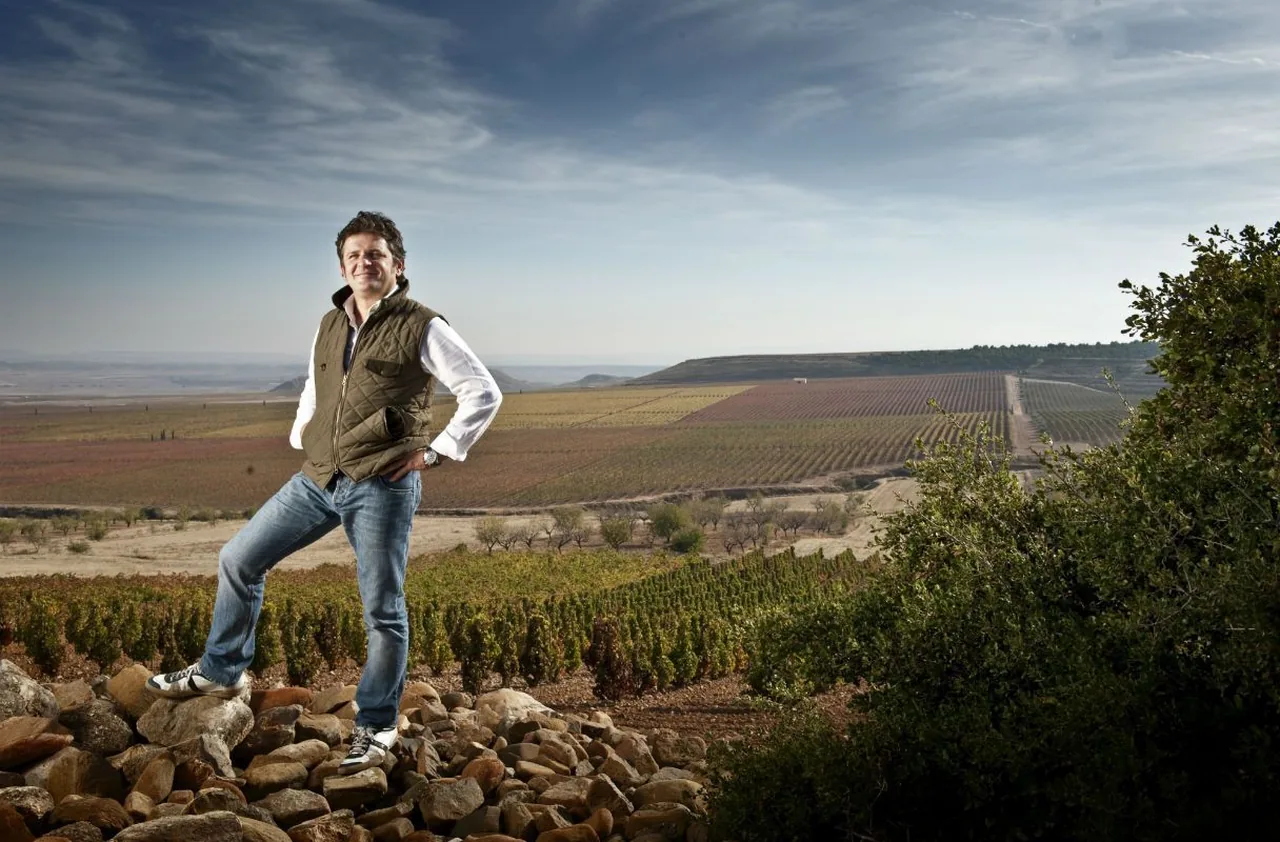
Álvaro Palacios
The Free Bacchus Story
The vines that made Priorat famous survived because nobody wanted them. Ancient Garnacha and Cariñena on black llicorella slate, too steep and too poor to be worth replanting, left alone through phylloxera and then through decades of rural abandonment.
Álvaro Palacios was the seventh of nine children, and the family bodega in Rioja had little room left for another of them. He left in 1989, aged twenty-five, for a region almost nobody wanted. He did not go back to Rioja until 2000, after his father had died. What he recognised in Priorat was what the neglect had preserved. The Gratallops estate is farmed organically, with biodynamic practices across the oldest parcels — though the certificate on the EU register covers the winemaking rather than the farming — on a slate that fractures along natural planes, drains hard and forces roots deep — a soil that repays close attention and punishes the absence of it.
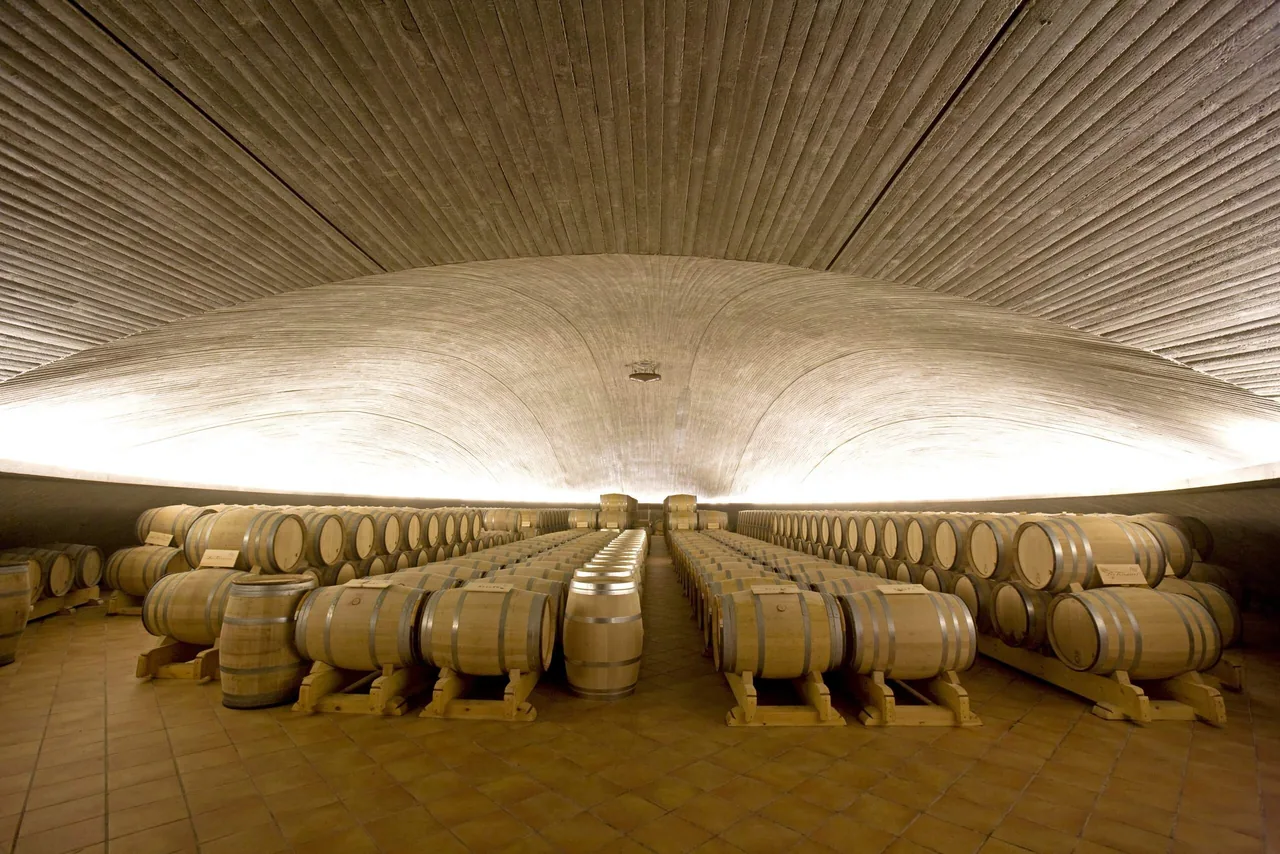
L'Ermita comes from a parcel of ungrafted Garnacha more than a century old, on the steepest llicorella slope on the property. It has drawn 98-plus points from Wine Advocate and sits among the most coveted bottles in Spain. Finca Dofí, the second wine, carries the same farming at volumes a person might actually encounter.
Palacios also makes wine in Bierzo, where Mencía on slate produces something entirely different and equally serious. The farming philosophy travels between the projects unchanged, which is a useful thing to notice: a grower who farms one way on their trophy site and another way elsewhere is telling you something about what they actually believe.
“My father was very disappointed when I left the family winery in Rioja in 1989 to go to Priorat.”
Why it’s remarkable
Free Bacchus Verification
CCPAE EU organic · the winemaking, not the farming
Certified1
- EU organic, Consell Català de la Producció Agrària Ecològica (ES-ECO-019-CT): the wine, certificate ES-ECO-019-CT.724-0060967.2026.001
Not covered1
- The farming: the register certifies preparation, the winemaking, not the vineyards
Also on record1
- Biodynamic practices, not certified
If you’re buying
Cheat sheet
Save it to your phone. Everything you need to recognise this producer, and three things worth saying about it, at a glance in a shop or across a table.