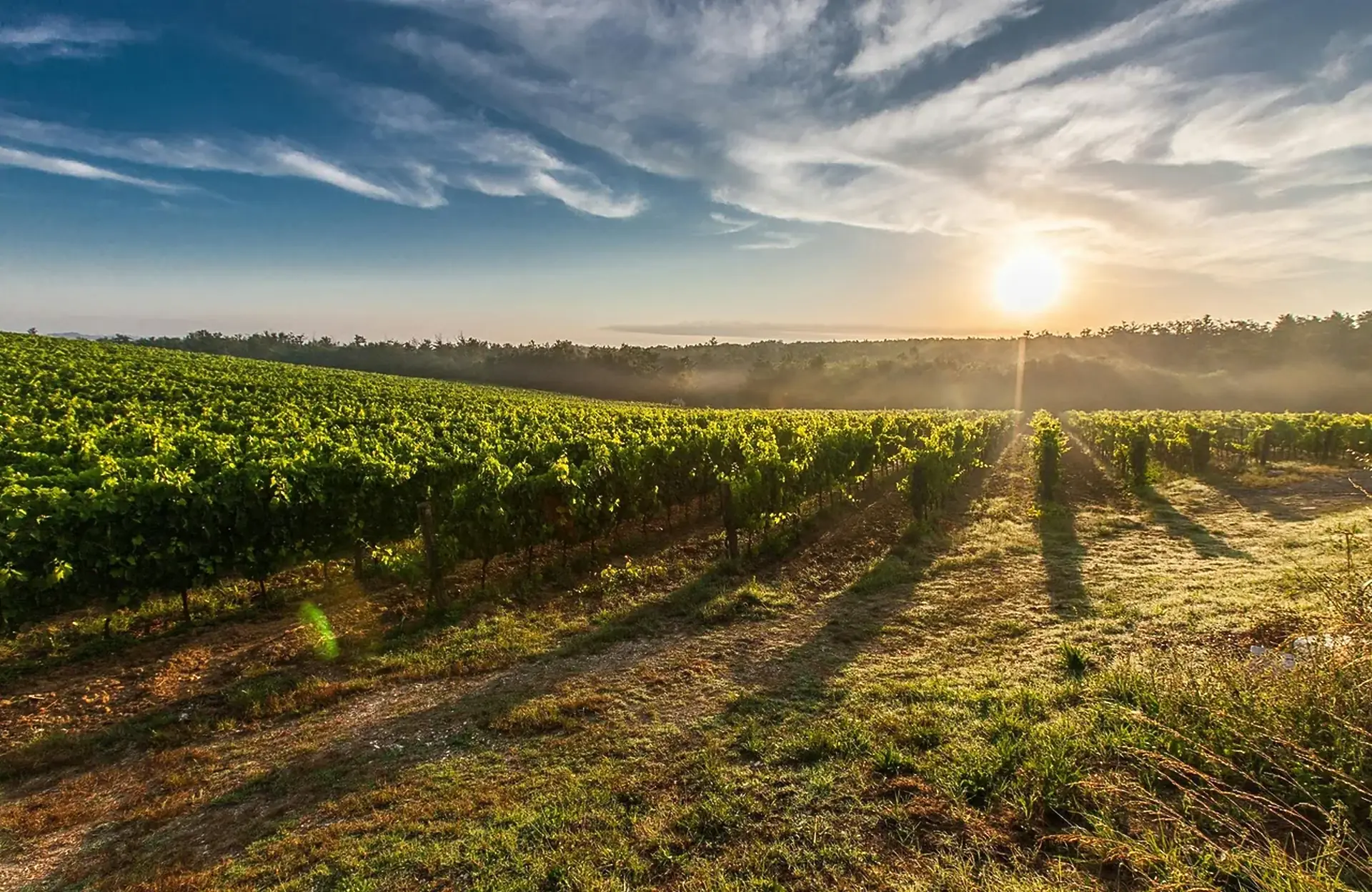
Tenuta di Valgiano
The Free Bacchus Story
Nobody arrives in Tuscany looking for the Colline Lucchesi. It is the hill country above Lucca, in the north of the region, a long way from the Chianti and Montalcino that carry Tuscany's reputation, and it has no famous name to trade on.
Moreno Petrini, Laura di Collobiano and the oenologist Saverio Petrilli took the estate on in 1994 and had it certified organic two years later. In Tuscany in 1996 that was an eccentric thing to be: organic certification carried no premium, no marketing value and a good deal of extra work, and the people doing it were regarded as hobbyists. Biodynamics followed in 2002, worked on the teaching of Alex Podolinsky — the Australian who took Steiner's ideas and turned them into something a farmer could actually run, with specific preparations, specific timings and a great deal of compost. Both certificates are now more than twenty years old, and that is the part worth pausing on. A certificate taken out last year is a decision. One held for two decades is a record, and it is the only kind that cannot be bought in later.
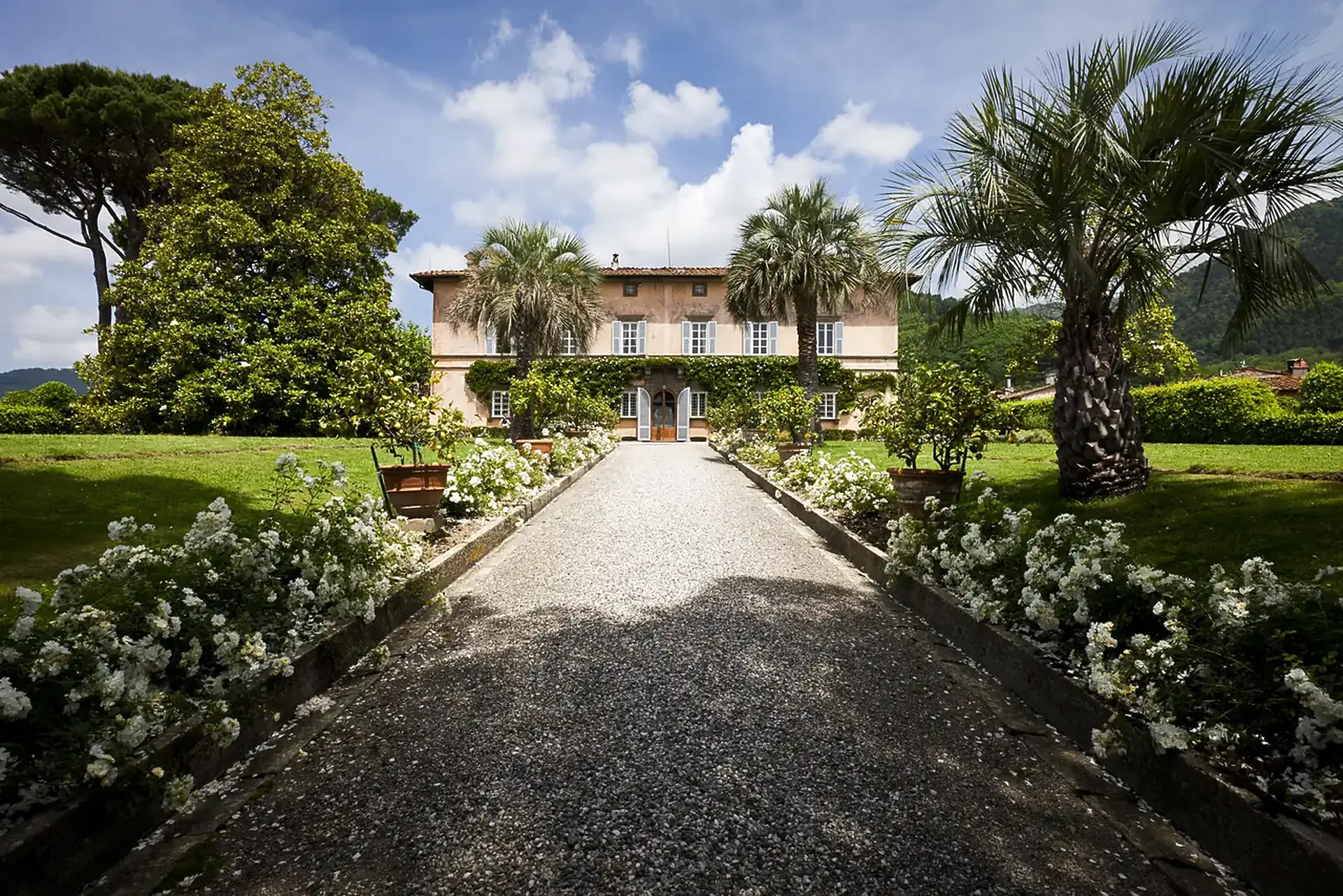
The estate runs to fifty-five hectares at three hundred metres, of which only sixteen are planted. The rest is woodland and olives — two thirds of the farm left to be something other than vineyard.
The wine is Sangiovese with Syrah and Merlot alongside it, which sounds like a compromise and is not: the Colline Lucchesi has grown French varieties for over a century, long before anyone called them international. The estate red is dense and takes years; Palistorti, the second wine, is the one to open first.
Why it’s remarkable
Free Bacchus Verification
ICEA organic · Demeter biodynamic
Certified3
- Certified organic (ICEA) since 1996
- Demeter biodynamic since 2002
- Both held on the whole estate
If you’re buying
Cheat sheet
Save it to your phone. Everything you need to recognise this producer, and three things worth saying about it, at a glance in a shop or across a table.