Skip to content
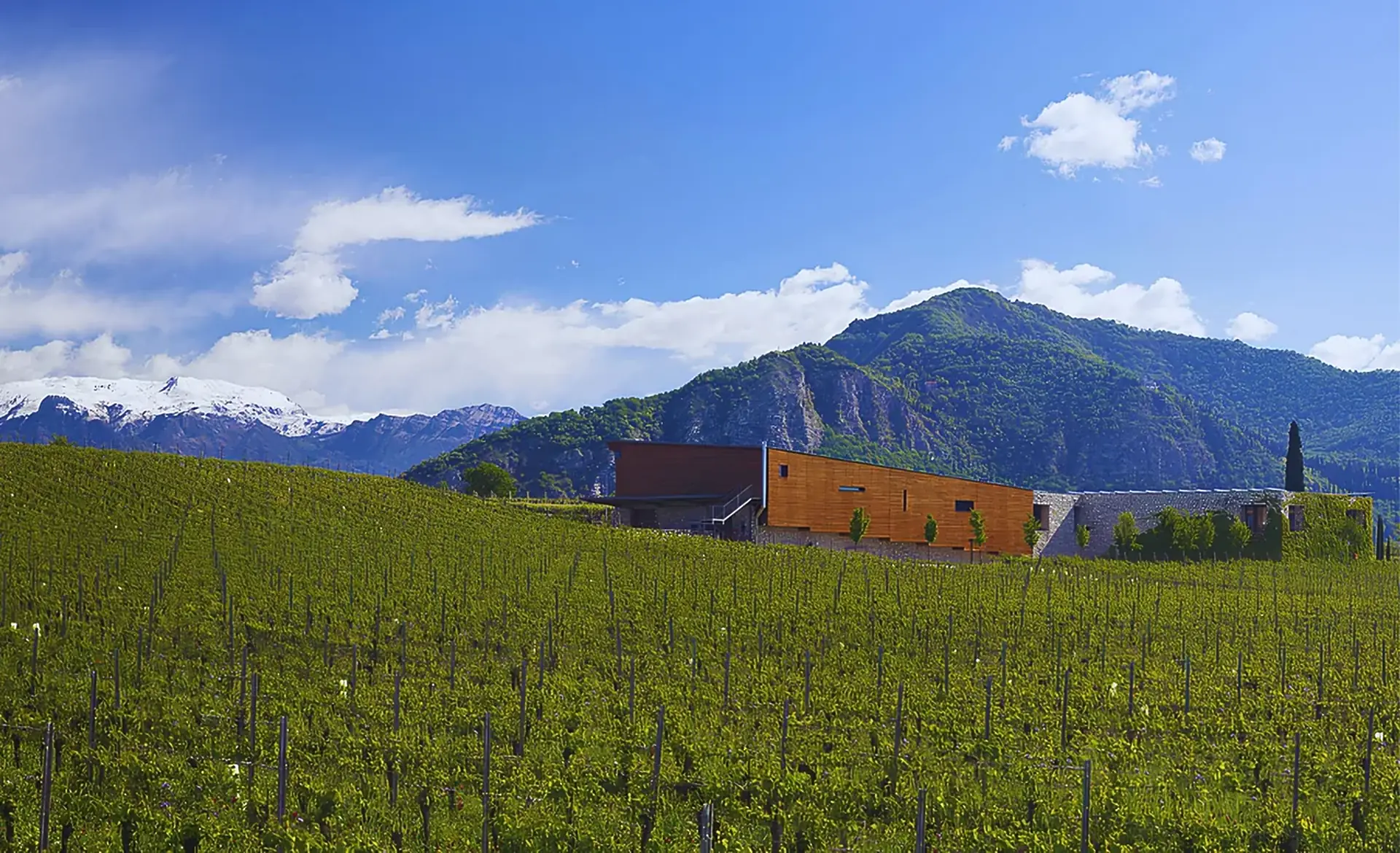
Low, wood-clad building above a green vineyard slope, with a forested hill and snow-capped peaks behind
LombardyItalyOrganic Wine

Barone Pizzini

ba-RO-neh pit-TSEE-nee
Gold TierTypically Under $45
Last verified · September 2026

In the middle of the 1990s Silvano Brescianini asked whether the products being sprayed in the vineyards might be causing cancer in the people doing the spraying. He has described it since as a simple question that almost nobody in Franciacorta was asking at the time. The estate went organic in 1998 on the strength of it, the first in the region to do so, and the first organic Franciacorta was made from the 2002 harvest.

Franciacorta is worth knowing if you have never bought a bottle. It sits in Lombardy, at the foot of the Alps near Lake Iseo, and it makes sparkling wine by the same method as Champagne — a second fermentation inside the bottle it is sold in, which is slow, expensive and the reason the bubbles are fine rather than fizzy. It is not a cheaper substitute for Champagne so much as a warmer-climate cousin, generally a little rounder and softer in the fruit.
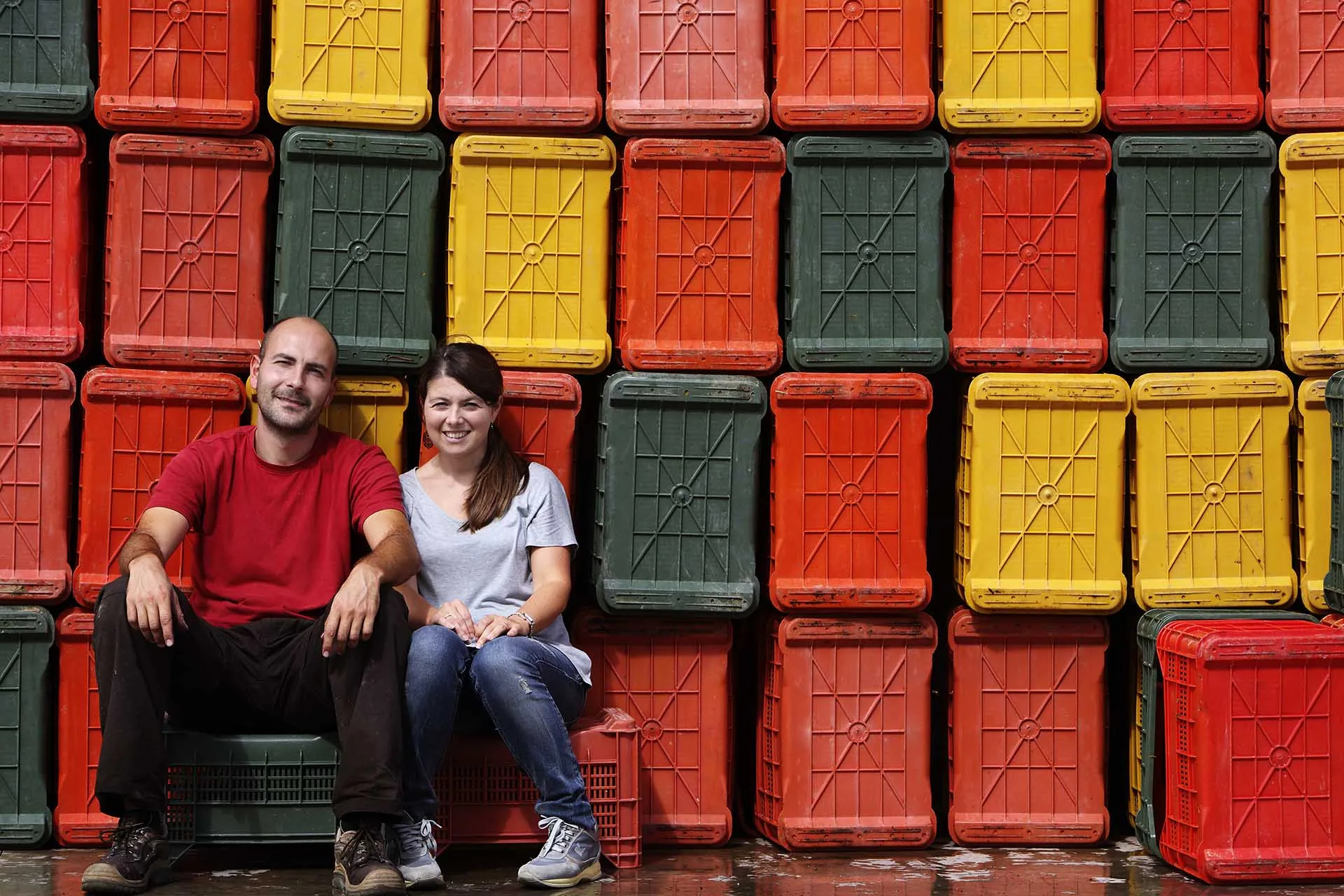
A man in a red T-shirt and a woman in a grey top sitting in front of a wall of stacked red, yellow and green plastic crates

Brescianini's line on how his own wine is finished is the most useful sentence anyone has given us about sparkling wine, and it is nine words long. Most sparkling wine takes a small dose of sugar at the very end, to round off the edges the acidity leaves. His argument for leaving it out is that if the base wine is good, it does not need the help.

The estate goes back to 1870 and two brothers, Enrico and Bernardino Pizzini. The winery they work in now is not that old: a bioarchitecture building by the architect Claudio Gasparotti opened in 2007, dug into the slope and built to keep the cellar cool without spending much on doing it — which is the same argument as the farming, applied to the roof.

The certificate is Valoritalia's, read in the EU's TRACES system this month rather than taken from the label. It covers the whole operation, and it is honest about the parts still in conversion, which is the sort of detail a certifier records and a marketing department does not.

“If the coffee is good, no sugar is needed.”
Silvano BrescianiniManaging Director, Barone Pizzini, 2024 · BKWine Magazine

Why it’s remarkable

A question about cancer
what actually started the conversion, in the mid-1990s
Brescianini has said that he asked whether the products being sprayed in the vineyards were carcinogenic to the workers spraying them, and that almost nobody in Franciacorta was asking it at the time. The estate converted in 1998 on the strength of that question — the first in the region to do it.
1998, then 2002
four years between the decision and the first bottle
Organic conversion is not a switch. The vineyards changed in 1998; the first organic Franciacorta came out of the 2002 harvest. That gap is the part of the story producers usually skip, and it is where the cost sits — several vintages farmed the hard way before anything can be sold on the strength of it.
Built in 2007
the same argument as the farming, applied to the building
The winery is a bioarchitecture design by Claudio Gasparotti, dug into the slope so the cellar stays cool without being cooled. It opened in 2007, nine years after the vineyards converted.
Some lines in conversion
the certificate says so, and so do we
Valoritalia's certificate covers the whole operation but records that part of it is still in conversion rather than fully certified. That is the kind of qualification a certifier writes down and a back label does not, and it is on this page because it is on the certificate.
Independently certified, and checked against the issuing body’s own register. Not a compromise on quality — see how we verify.

Free Bacchus Verification

Track A
Formal third-party certification, confirmed against the issuing body’s own register.

Valoritalia certified organic

Certified1
  • Certified organic — Valoritalia (IT-BIO-015), registry-verified in TRACES (IT-BIO-015.380-0008711.2026.003, production, preparation, distribution and storing; wine, grapes and sparkling wine), valid to 28 June 2029
Also on record1
  • Some lines still in conversion
Re-verified annually against the issuing body’s register. How re-verification works
The producer’s own sitebaronepizzini.it
Producers don’t pay to be here. There is no fee to be listed and no way to buy a higher tier. If the evidence doesn’t hold, the bottle isn’t here.
Flagship
Franciacorta Animante Brut

If you’re buying

Price
Around US$35 for Animante. Approximate.
Drinking now
Ready on release and will hold for several years.
Serving
8–10°C, in a wine glass rather than a flute.
Availability
Imported nationally in the United States by Winebow; findable in good Italian specialists.
Tastes like
Dry and fine-bubbled, green apple and bread crust, with a clean citrus finish.
Pairs with
Oysters, risotto, or a plate of prosciutto.
Price bands are approximate and move with vintage, market and region. They are a guide, not a quotation.

Cheat sheet

Save it to your phone. Everything you need to recognise this producer, and three things worth saying about it, at a glance in a shop or across a table.

37 verified producers in Italy →

From the Journal

← LapostolleThe Verification StandardPievalta →

More Verified Houses · Italy

Where to go next

Three more from the cellar, chosen by what is in the glass rather than where it is from.

Champagne FleurySparkling · France Parés BaltàSparkling · Spain Larmandier-BernierSparkling · France
↑