Skip to content
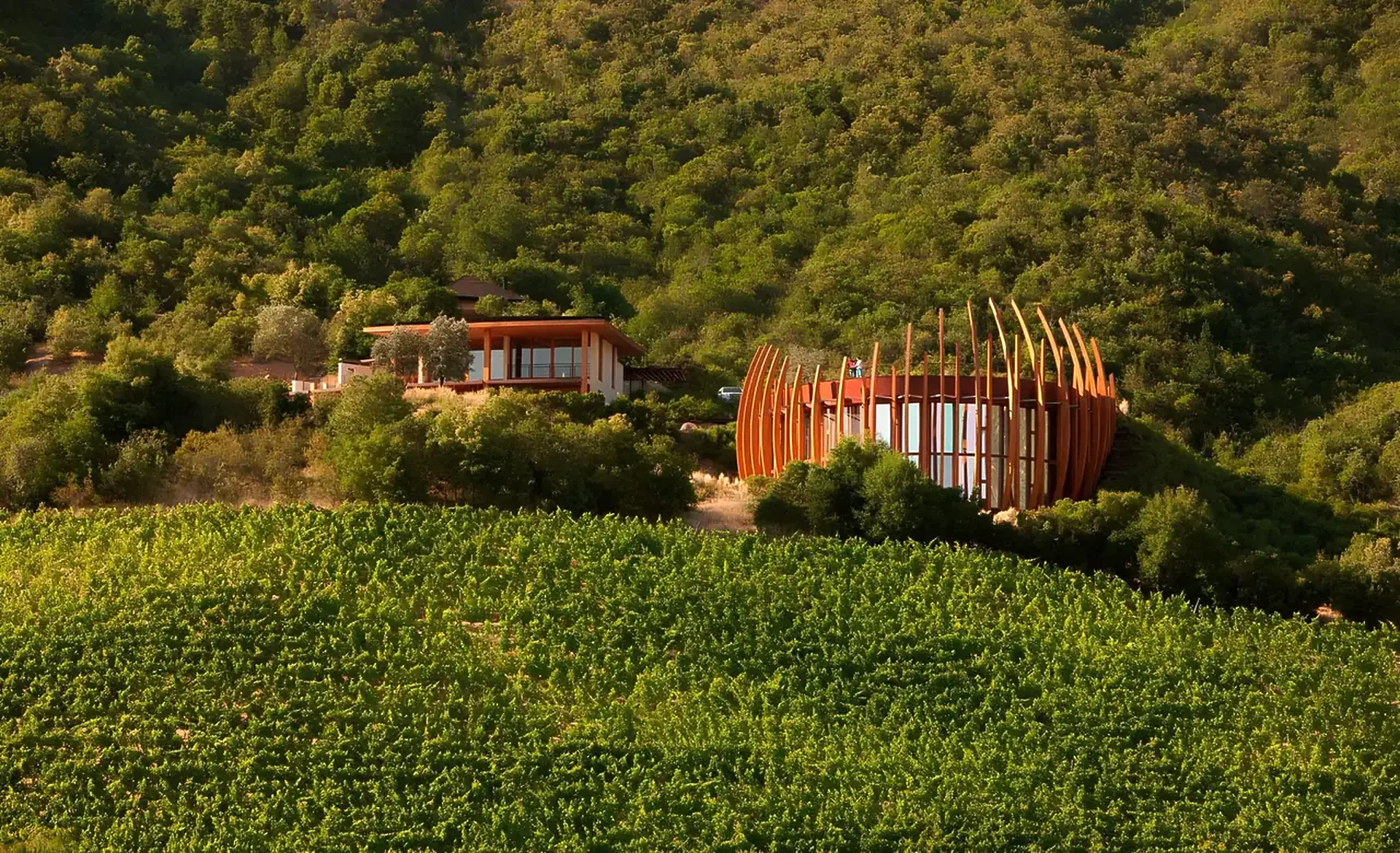
A round building ringed by curved timber ribs, beside a low house, on a forested hillside above a block of vines
Apalta, Colchagua ValleyChileOrganic Wine

Lapostolle

la-poss-TOLL
Gold TierTypically $90–200
Last verified · September 2026

Almost every producer on this site is here for something they added. Lapostolle is worth knowing for something it gave back. The estate held a full biodynamic certificate from 2011, worked that way for several years, and then began withdrawing from the certificate around 2017 — not quietly, and not because anyone caught them out.

The reason is the interesting part, and their winemaker Andrea León has given it on the record. Biodynamic farming runs on a set of preparations made from specific plants — yarrow, chamomile, oak bark, stinging nettle — and on a calendar worked out in central Europe. Applied in the southern hemisphere, in a Mediterranean valley six thousand miles away, a good deal of that has to be imported or improvised. She had doubts about doing it on faith, so the estate stopped claiming it and moved its effort to the Chilean industry's own sustainability code instead.
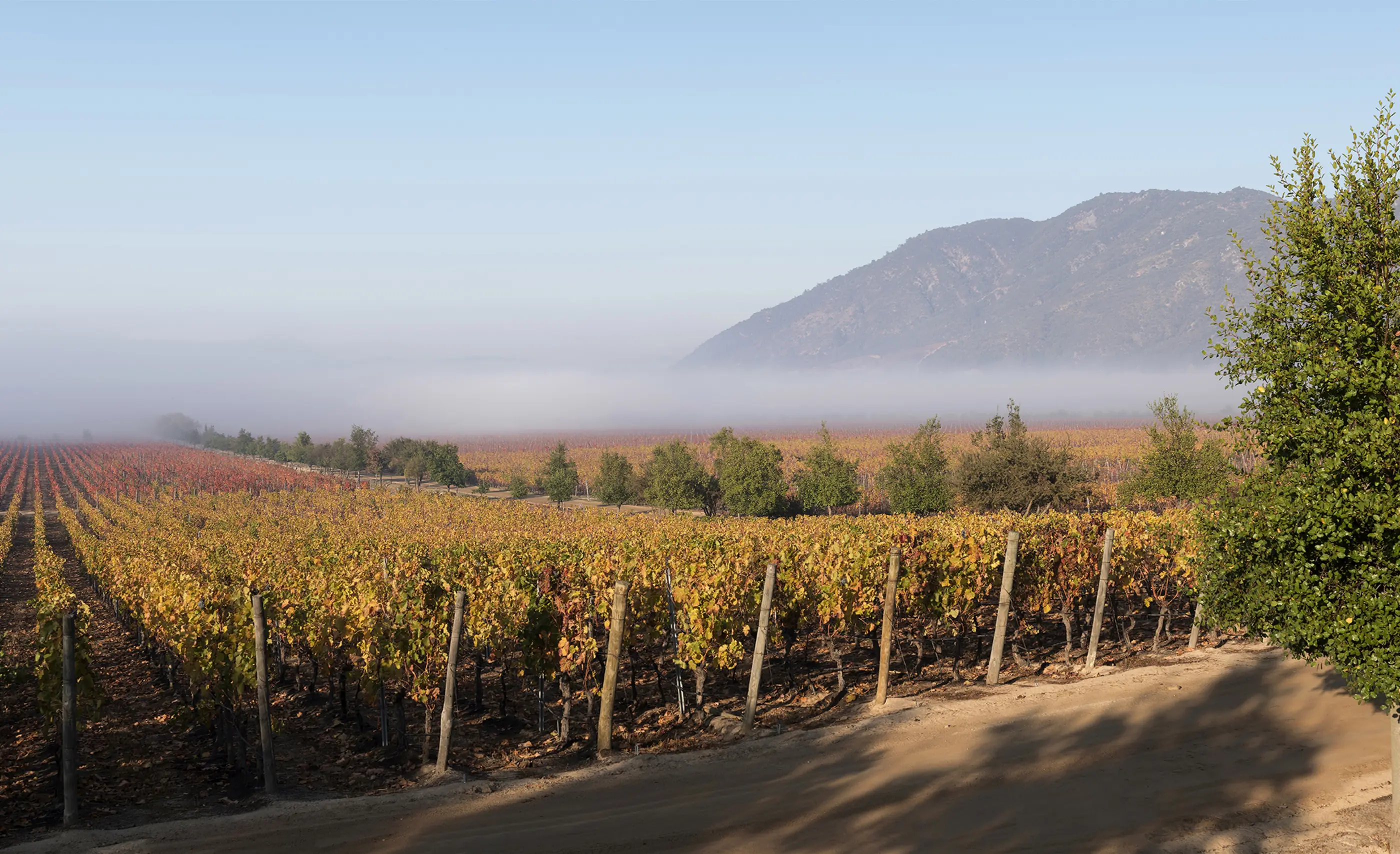
Vine rows in yellow and red autumn leaf beside a dirt road, with low fog over the valley and a mountain beyond

You can disagree with the decision and still notice what it took. Certification is a marketing asset, and giving one up costs a producer the label, the shelf talker and the easy line in the tasting note, in exchange for nothing but being able to say something they believe. That is rarer than the certificate was.

The wine that made the name is Clos Apalta, a blend of Carmenère, Merlot and Cabernet Sauvignon from old vines in the Apalta hills of the Colchagua Valley. Carmenère is worth a paragraph of its own: it is a Bordeaux grape that was written off as extinct after phylloxera, and turned up a century later in Chile, where growers had been cultivating it for decades in the belief that it was Merlot. James Suckling has given Clos Apalta 100 points.

What we can stand behind is the organic certificate, and only that. Ecocert's own client directory carries Domaines Bournet-Lapostolle Chile SpA at Apalta for crop farming and wine grape, under both the USDA National Organic Program and the Chilean scheme. The biodynamic record is gone from the register because the estate withdrew it, so this page does not claim it — which is exactly what Lapostolle would tell you themselves.

“…uses many things that do not grow naturally down here”
Andrea LeónWinemaker, Lapostolle, 2022 · SevenFifty Daily

Why it’s remarkable

Certified, then not
the estate gave up a biodynamic certificate it had already earned
Lapostolle held a full biodynamic certificate from 2011 and began withdrawing from the certificate around 2017. Nobody withdrew it for them. The stated objection is that biodynamic preparations and their calendar were worked out in central Europe, and a good deal of what they call for does not grow in central Chile. Handing back a certificate costs a producer the label and the easy line in the tasting note, and buys nothing except being able to say what they actually believe.
Presumed extinct
Carmenère spent a century missing before it was found here
Carmenère is a Bordeaux grape that was written off after phylloxera swept Europe. It turned up again in Chile, where growers had been tending it for decades in the belief that it was Merlot. Clos Apalta is built on it, blended with Merlot and Cabernet Sauvignon from old vines in the Apalta hills.
100 points
James Suckling, on Clos Apalta — and it is a review, not a medal
A critic's score and a competition result are different things, and this row had the 100 recorded in its award column, where it was earning points as though a jury had given it a trophy. It is a review. It has been moved back to where it belongs, which cost this producer six points and its place in the Reserve tier.
Independently certified, and checked against the issuing body’s own register. Not a compromise on quality — see how we verify.

Free Bacchus Verification

Track A
Formal third-party certification, confirmed against the issuing body’s own register.

Ecocert certified organic · estate vineyards at Apalta

Certified1
  • Certified organic — Ecocert, estate vineyards at Apalta, read at Ecocert's own client directory on 9 September 2026 (crop farming, wine grape; USDA National Organic Program and Chilean organic)
Also on record1
  • Not biodynamic: the estate held that certificate and gave it up, and says why
Re-verified annually against the issuing body’s register. How re-verification works
The producer’s own sitelapostollewines.com
Producers don’t pay to be here. There is no fee to be listed and no way to buy a higher tier. If the evidence doesn’t hold, the bottle isn’t here.
Flagship
Clos Apalta

If you’re buying

Price
Around US$150 for Clos Apalta. Approximate.
Drinking now
Released ready to drink and built to keep — a decade or more from a good vintage.
Serving
16–18°C, decanted an hour ahead.
Availability
Widely distributed in the United States and Europe; the estate's other labels are easier to find than Clos Apalta.
Tastes like
Dark and full-bodied, black fruit with a savoury, herbal edge, and firm tannin behind it.
Pairs with
Grilled red meat, aged hard cheese, or a mushroom stew.
Price bands are approximate and move with vintage, market and region. They are a guide, not a quotation.
Start here instead
Poliziano — Also Track A certified organic, also a single-vineyard flagship red, at about a third of the price.

Cheat sheet

Save it to your phone. Everything you need to recognise this producer, and three things worth saying about it, at a glance in a shop or across a table.

From the Journal

12 verified producers in Chile →
← Parés BaltàThe Verification StandardBarone Pizzini →

More Verified Houses · Chile

Where to go next

Three more from the cellar, chosen by what is in the glass rather than where it is from.

M. ChapoutierRed · France Emidio PepeRed · Italy Tablas Creek VineyardRed · United States
↑