Skip to content
M. Chapoutier
Tain-l'Hermitage, Rhône, FranceFranceBiodynamic Wine

M. Chapoutier

sha-poo-TYAY · Tain-l’Hermitage is tan lair-mee-TAHZH
Gold Tier
Last verified · August 2026
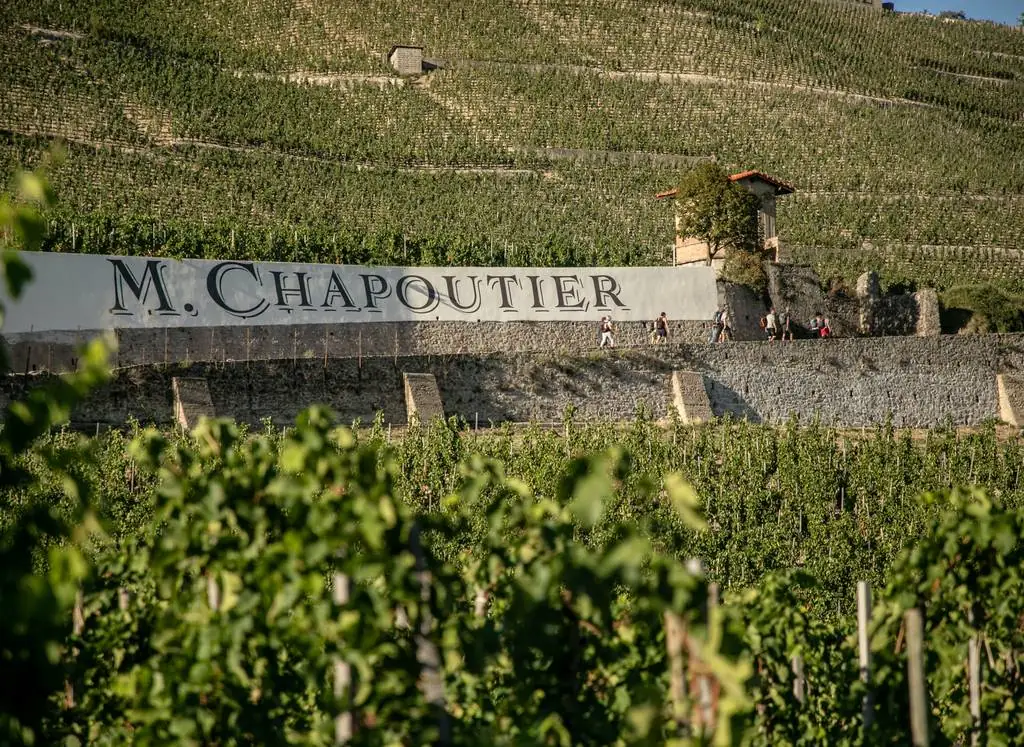
M. Chapoutier, Tain-l’Hermitage, in the northern Rhône.

Braille went onto the label of the Monier de la Sizeranne Hermitage in 1994, after a conversation with a blind friend. By 1996 it was on everything the house bottles — including the cheap ones, where it earns nothing and nobody would notice its absence.

Michel Chapoutier took the house over in 1990 and began converting the vineyards to biodynamics in 1991, when the method was still treated as eccentric. It was one of the earliest large-scale conversions anywhere in France, running across holdings in Hermitage, Côte-Rôtie and Saint-Joseph. Almost every other estate that converted that early was a few hectares in size.

The scope needs stating plainly. Chapoutier makes well over two hundred different wines, and the organic and Demeter certification covers the estate vineyards — not the fruit bought in for the négociant blends.
M. Chapoutier
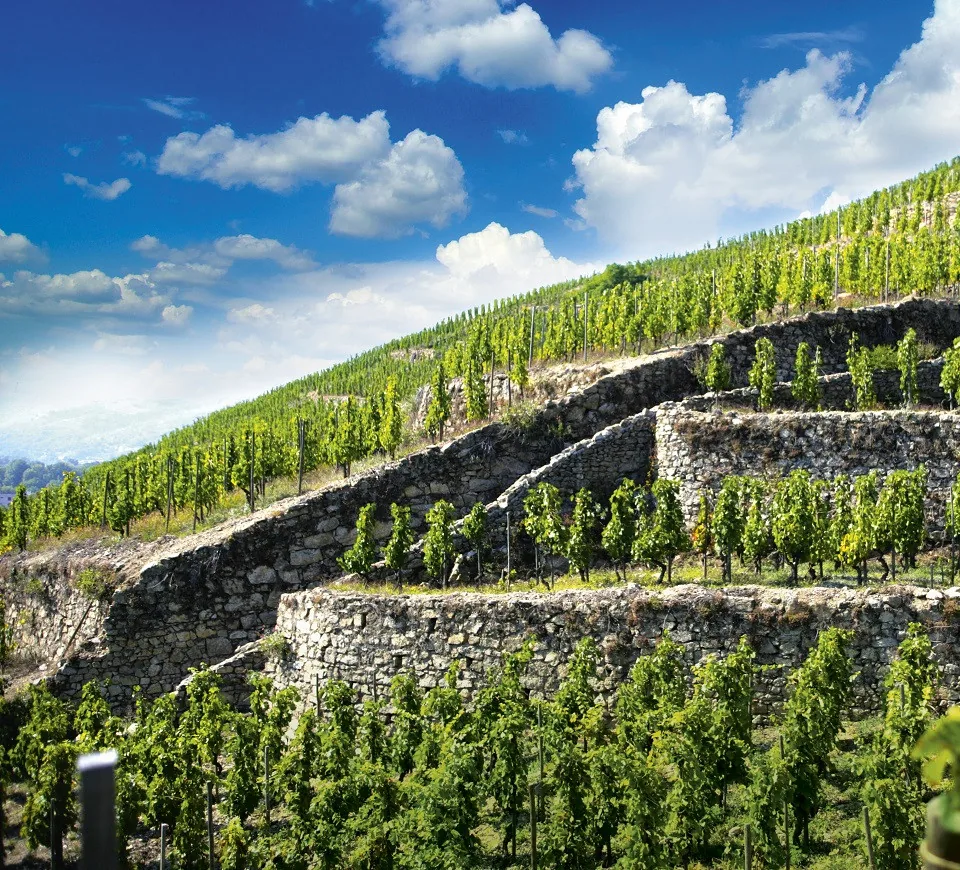
Le Pavillon comes from old Syrah vines on the Bessards granite of the Hermitage hill.

On a portfolio this large that distinction is the whole difference between a certificate and a brand. Check the bottle in front of you rather than the name on it.

What the estate side settles is a different argument. Thirty-five years of certified farming across some of the steepest and most valuable terraces in the northern Rhône is no longer an experiment, and it is a hard answer to anyone still claiming this only works on small parcels.

Why it’s remarkable

1994, then 1996
braille went on one label, then on all of them
Braille first appeared on the Monier de la Sizeranne Hermitage in 1994, after a conversation with a blind friend, and on everything the house bottles by 1996. It is on the cheap bottles too, where it earns nothing and nobody would notice its absence.
1991
certified organic and Demeter biodynamic, at scale, that early
One of the earliest large-scale conversions anywhere in France, across holdings running through Hermitage, Côte-Rôtie and Saint-Joseph. Most estates that converted that early were a few hectares.
Estate only
the certification does not cover the négociant wines
Chapoutier makes well over two hundred different wines, and the organic and biodynamic certification applies to the estate vineyards rather than to fruit bought in for the négociant blends. On a portfolio this size that distinction is the whole difference between a certificate and a brand, so check the bottle rather than the house.
Thirty-five years
is the answer to ‘biodynamics only works on small parcels’
Three and a half decades of certified farming across some of the steepest and most valuable terraces in the northern Rhône. Whatever else it is, it is no longer an experiment.

Free Bacchus Verification

Track A
Formal third-party certification, confirmed against the issuing body’s own register.
Re-verified annually against the issuing body’s register. How re-verification works
Flagship
Ermitage "Le Pavillon"

If you’re buying

Price
Around US$350 for the flagship bottling. Approximate, and it moves with vintage and market.
Drinking now
Le Pavillon wants ten to twenty years. The village-level northern Rhône bottlings drink well from about three.
Serving
Serve at 16–18°C. Decant Le Pavillon for two hours, the younger wines for one.
Availability
Generally obtainable through specialist retailers.
Tastes like
Northern Rhône Syrah at full weight — black fruit, olive, smoke and firm tannin. Le Pavillon is built for decades.
Pairs with
Roast beef, grilled lamb, or a peppery hard cheese.
Price bands are approximate and move with vintage, market and region. They are a guide, not a quotation.

Cheat sheet

Save it to your phone. Everything you need to recognise this producer, and three things worth saying about it, at a glance in a shop or across a table.

← Larmandier-BernierThe Verification StandardClairin Vaval / Clairin Sajous →

More Verified Houses · France