Larmandier-Bernier
The Free Bacchus Story
Pierre Larmandier’s father died suddenly in 1982, aged 44, just as Pierre finished school. His mother ran the estate while he studied business, and in 1988 he and his wife Sophie took it over, part of a new generation of young growers questioning how Champagne was made.
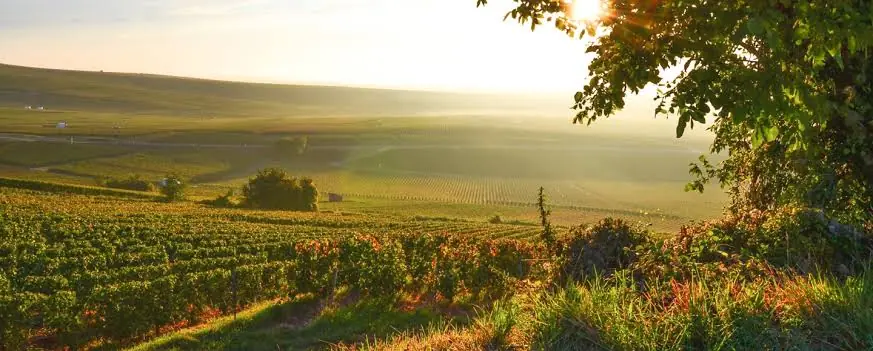
What he runs is a grower, not a house. A Champagne house buys in grapes and blends towards a consistent style; a grower farms his own chalk and bottles his own harvest, so the wine tastes of a place rather than of a recipe. The vines sit in the grand cru villages of Cramant, Oger and Avize and the premier cru of Vertus, and one mid-slope parcel there, Les Barillers, has been vinified on its own since 1995.
The farming went biodynamic well before the paperwork did. The family dates biodynamics across the whole estate to 1999. The vineyards entered organic certification with Bureau Veritas in 2004, and the Biodyvin biodynamic label followed in 2020, when the estate joined the association that awards it.
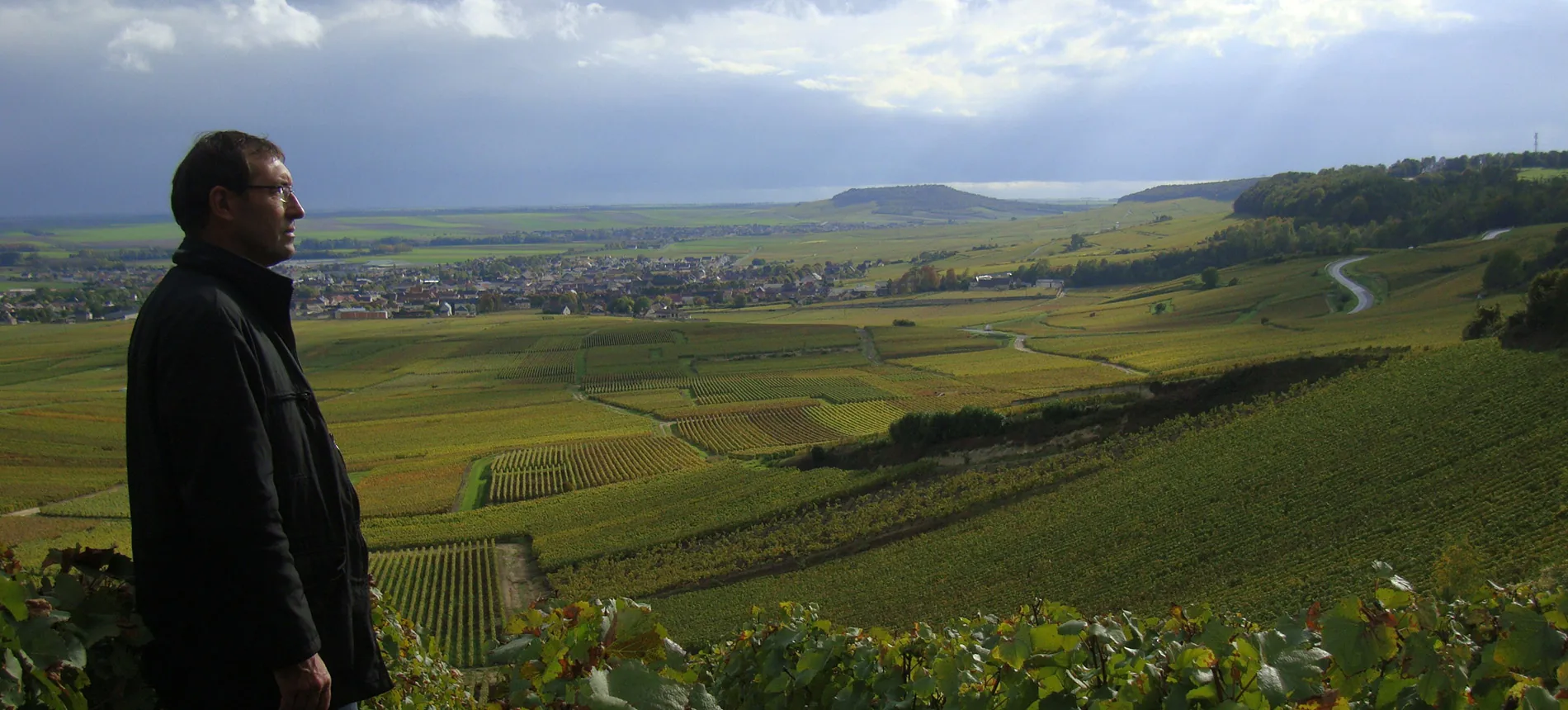
Dosage is the giveaway. Very little sugar goes in at the end and Terre de Vertus goes in with none at all, which only works if the fruit ripened properly in the first place. There is nothing left to hide behind.
Around eight per cent of the Champagne vineyard is organic or converting. In a region that sells consistency, a fully biodynamic grower is a structural outlier rather than a stylistic preference.
Why it’s remarkable
Free Bacchus Verification
Biodyvin Certified Biodynamic · EU Organic (Bureau Veritas)
Certified2
- Biodyvin Certified Biodynamic
- EU Organic (Bureau Veritas)
If you’re buying
Cheat sheet
Save it to your phone. Everything you need to recognise this producer, and three things worth saying about it, at a glance in a shop or across a table.