Paranubes
The Free Bacchus Story
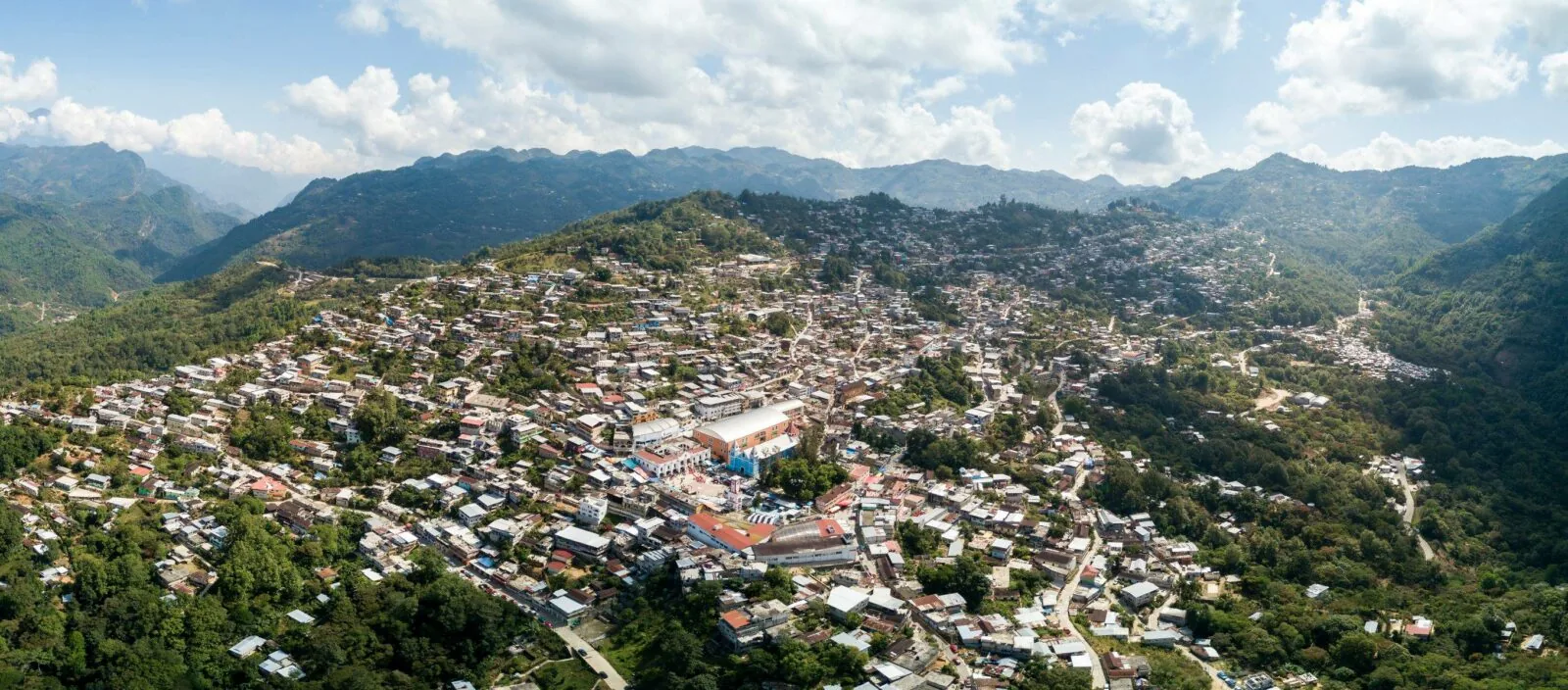
José Luis Carrera grows cane on a mountainside in the Sierra Mazateca at around a thousand metres, which is high for sugarcane and cold enough at night that the plants grow slowly. He cuts it by hand, presses it, and ferments the juice in open pine vats using whatever yeast lives in the wood and the air.
Nothing is added at any stage. That isn't a certified organic programme, and we won't describe it as one — there is no certifying body involved, and the Track B listing rests on corroborated evidence of practice rather than a registry entry. The absence of chemical inputs here is a function of how the farm has always worked rather than a decision taken against an alternative.
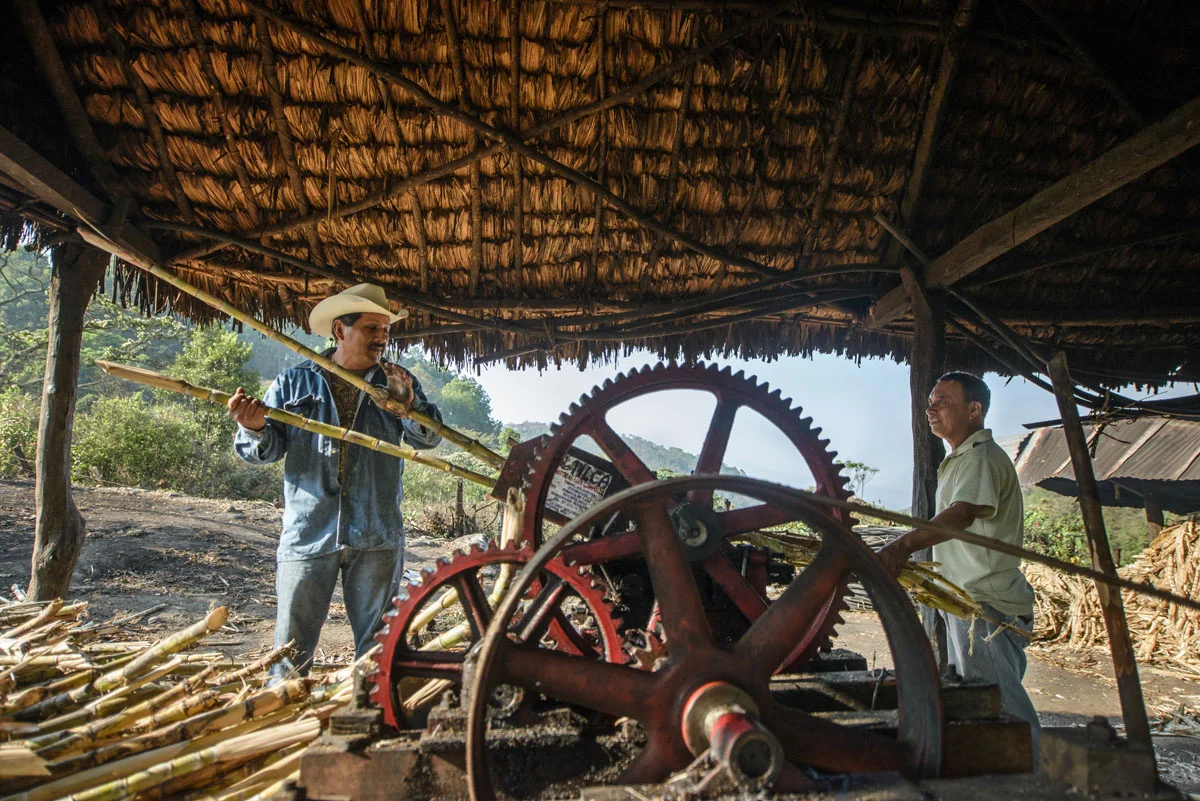
The still is a six-plate copper column over a buried boiler fired with spent cane fibre, run by hand with no gauges. The strength is set by blending distillate rather than by adding water, and the heads are kept rather than cut away.
Wine Spectator named it among the Year's Best Spirits. The liquid is unaged, funky and unmistakably agricultural, and it has become a reference point for a category most drinkers didn't know existed.
Aguardiente de caña sits outside the mezcal denominations and outside the rum categories, which has kept it obscure. It's one of the more interesting things happening in Mexican spirits.
Why it’s remarkable
Free Bacchus Verification
No chemical inputs, no formal certifying body
Verified practice1
- Heritage cane varieties, wild fermentation in pine vats, no chemical inputs
Also on record1
- No formal certifying body
If you’re buying
Cheat sheet
Save it to your phone. Everything you need to recognise this producer, and three things worth saying about it, at a glance in a shop or across a table.