Skip to content
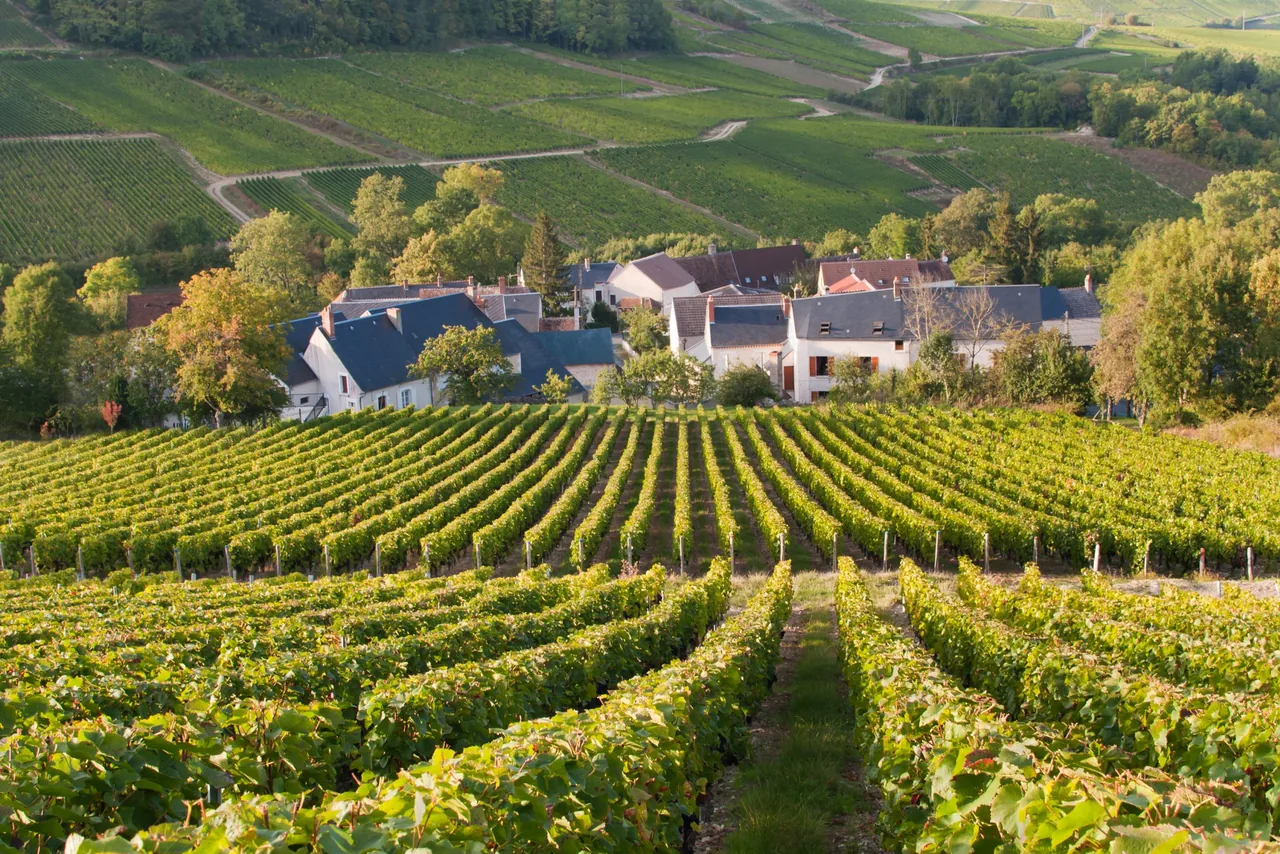
Vine rows above a hamlet of white houses with slate roofs among trees, with more vineyards on the hillside beyond
SancerreLoire ValleyFranceWine

Domaine Vacheron

va-shuh-RON · Sancerre is sahn-SAIR
Gold TierTypically $45–90
Last verified · August 2026

Sancerre is one of the most recognised wine names in the world, which is precisely why so little of it is interesting. A name that sells reliably attracts volume, and volume rarely rewards the extra work.

Domaine Vacheron is where serious Sancerre drinkers go first. The cousins Jean-Laurent and Jean-Dominique Vacheron have farmed biodynamically since 1999 and joined Biodyvin in 2004, and the estate's 48 hectares of Sauvignon Blanc and Pinot Noir are managed as an integrated system. The limestone and silex soils respond unusually well: the flinty minerality that defines great Sancerre is amplified by keeping soil biology active and roots deep, rather than invented in the cellar.
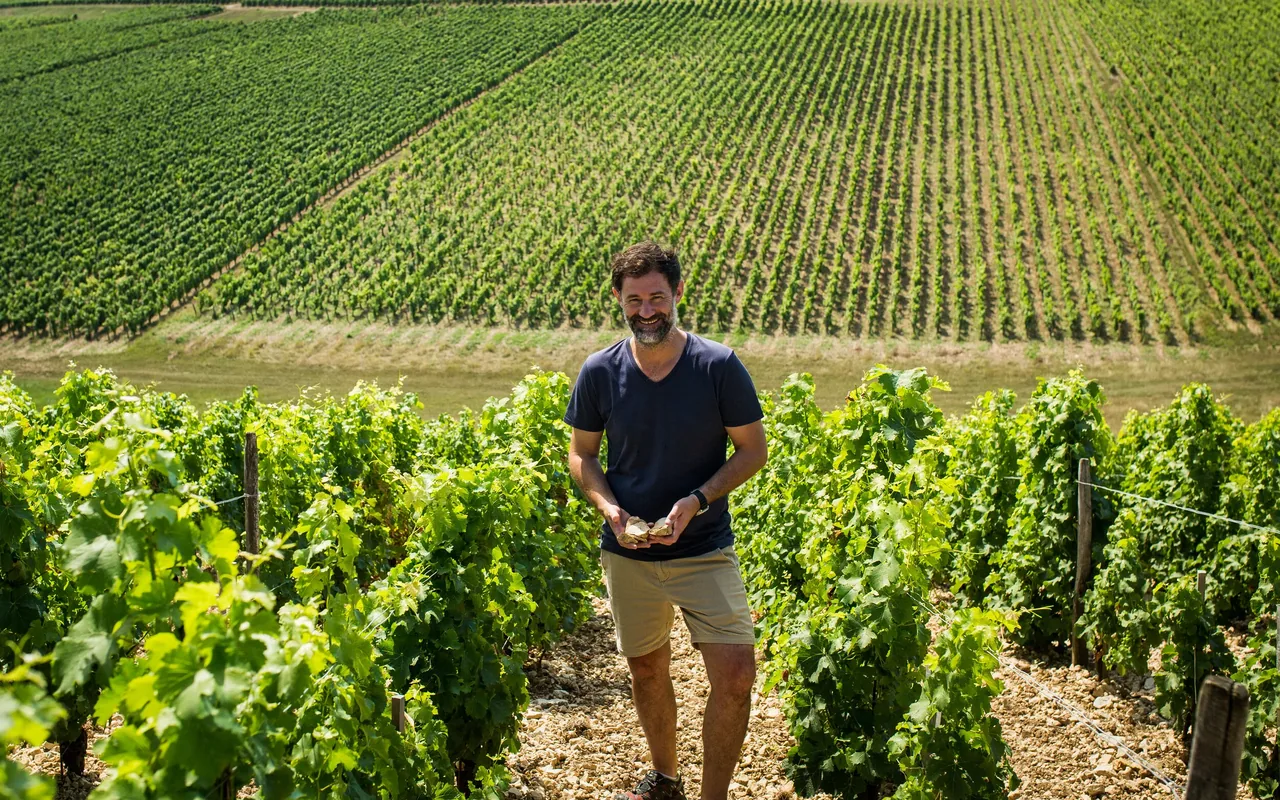
A smiling man in a navy T-shirt and shorts holds pale stones in a vine row, with a wide hillside of vine rows behind him

About a quarter of the vineyard is red — twelve hectares of Pinot Noir. Planting a quarter of a famous white appellation to Pinot Noir is a commercial decision almost nobody makes.

Belle Dame, first bottled on its own in 1995, and Les Romains, in 1997, began the single-vineyard range; Stephan Reinhardt at Wine Advocate called the 2017 Belle Dame a Pinot Noir of impressive concentration, freshness and finesse. The Pinot Noir is the genuine sleeper — among the most compelling red wine in the Loire, with a Burgundian precision that reflects the same farming, and consistently undervalued because the appellation's reputation is built on white.

The wines are not cheap and sell largely through allocation. But they are the most honest available version of what this appellation actually is, as distinct from what its name has come to mean.

“Wine is just about mineral and being organic.”
Jean-Laurent VacheronCo-owner, on what he thinks the job comes down to, 2022 · The Buyer

Why it’s remarkable

Biodyvin, 2004
not Demeter — the two are not interchangeable
The estate has worked biodynamically since 1999 and joined Biodyvin in 2004; the domaine’s own history on the Biodyvin site dates its certified wines to 2008. Our own record once left the body open between Biodyvin and Demeter; Demeter France’s register does not list the domaine and Biodyvin’s does, and it is worth naming, because the marks audit to different standards.
12 hectares
of Pinot Noir, in an appellation the world buys for Sauvignon Blanc
Around a quarter of the vineyard is red, and the Sancerre Rouge is the flagship here. Planting a quarter of a famous white appellation to red is a commercial decision nobody makes by accident.
Silex
half the estate is flint, and Vacheron says it is very hard to work
The other half is caillottes limestone. No chemicals go on the vines, so the soil has to be worked instead, and on flint, Jean-Laurent Vacheron says, that is very hard — which is the actual content of a biodynamic certificate here.
One compost heap
is the entire fertiliser programme
No synthetic material goes into the vineyard, the harvest is done by hand throughout, and the only fertiliser is compost made on the estate.
Independently certified, and checked against the issuing body’s own register. Not a compromise on quality — see how we verify.

Free Bacchus Verification

Track A
Formal third-party certification, confirmed against the issuing body’s own register.

Ecocert France organic · Biodyvin biodynamic

Certified2
  • Organic: Ecocert France (FR-BIO-01) on the French state register, engaged 25 April 2005 — Domaine Vacheron SAS, Sancerre
  • Biodynamic: Biodyvin, member since 2004, certified by Ecocert for the Biodyvin label
Also on record1
  • Not Demeter: Demeter France’s register does not list the domaine, checked 24 September 2026 against entries that did return
Re-verified annually against the issuing body’s register. How re-verification works
The producer’s own siteNo public website
Producers don’t pay to be here. There is no fee to be listed and no way to buy a higher tier. If the evidence doesn’t hold, the bottle isn’t here.
Flagship
Sancerre Rouge
Best award
Bronze, Sancerre 2010 · Decanter World Wine Awards 2011

If you’re buying

Price
Around US$50 for the Sancerre Rouge; the single-vineyard Belle Dame runs to about US$150. Approximate, and it moves with vintage and market.
Drinking now
The Sancerre Blanc is accessible young. Wine Advocate suggested cellaring the 2018 Guigne-Chèvres for a decade or two.
Availability
Generally obtainable through specialist retailers.
Tastes like
The white flinty and citrus-driven — gunflint, grapefruit zest, sea salt; the Pinot Noir red-fruited and peppery.
Pairs with
Goat’s cheese or oysters with the white; charcuterie or grilled chicken with the red.
Price bands are approximate and move with vintage, market and region. They are a guide, not a quotation.

Cheat sheet

Save it to your phone. Everything you need to recognise this producer, and three things worth saying about it, at a glance in a shop or across a table.

67 verified producers in France →

From the Journal

← Domaine TissotThe Verification StandardEmiliana Organic Vineyards →

More Verified Houses · France

Where to go next

Three more from the cellar, chosen by what is in the glass rather than where it is from.

Stefano Lubiana WinesRed · Australia Domaine TissotRed · France Antica TerraRed · United States
↑