Skip to content
Domaine Tissot
ArboisJuraFranceWine

Domaine Tissot

tee-SO · Arbois is ar-BWAH
Gold Tier
Last verified · August 2026
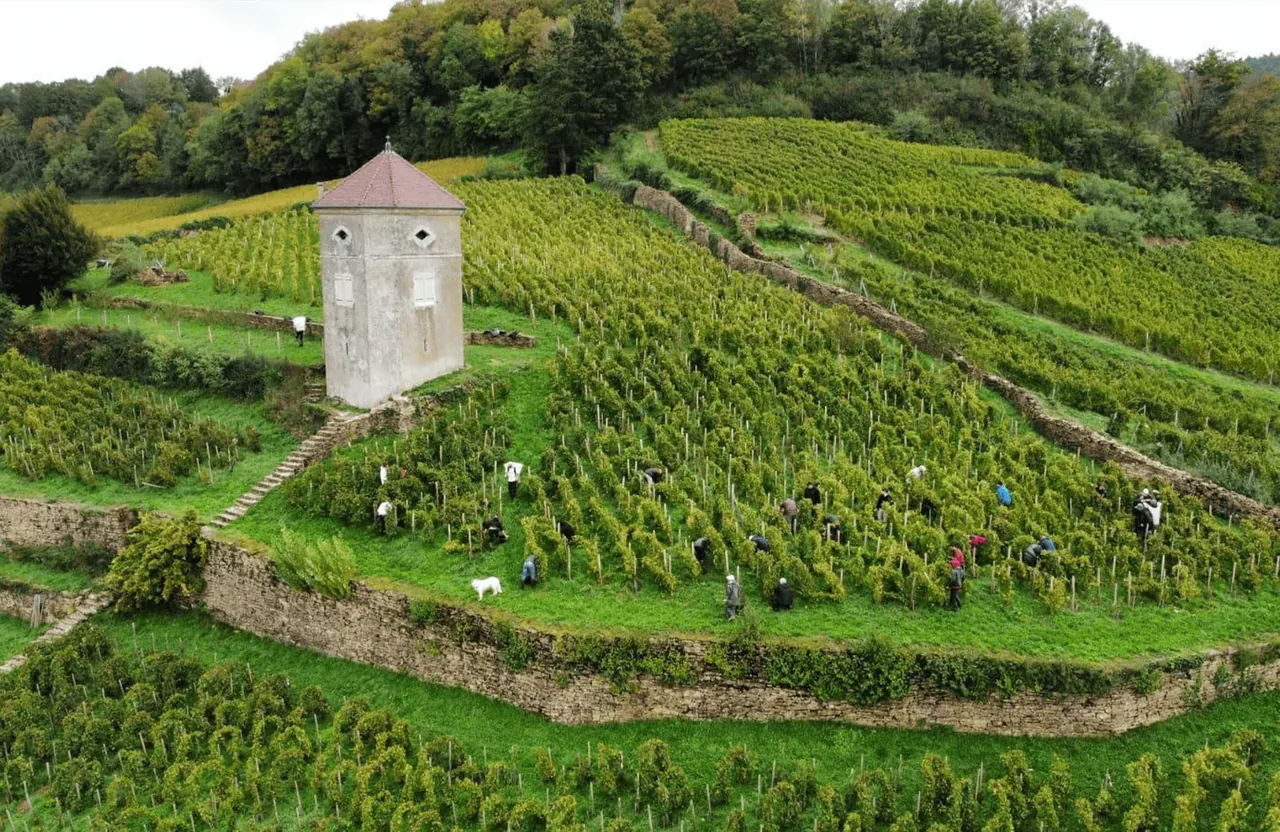
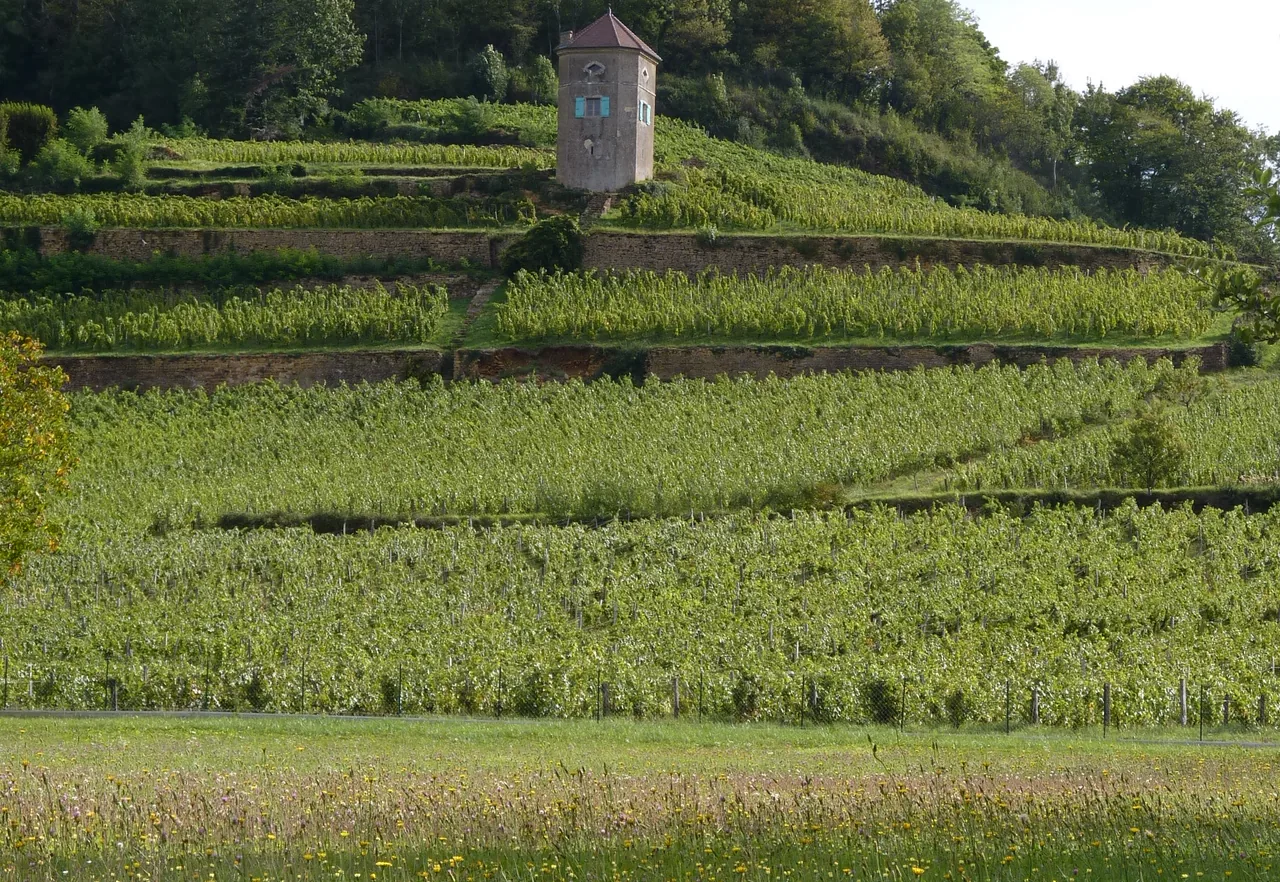
Domaine Bénédicte et Stéphane Tissot, Montigny-lès-Arsures, near Arbois in the Jura.

The Jura is fashionable now. It was not in the 1990s, when Stéphane and Bénédicte Tissot began converting their Arbois estate to biodynamics — the region's oxidative Savagnin, its unusual Poulsard and Trousseau reds and its Vin Jaune were admired by a small circle and ignored by everyone else.

Converting was therefore a bet on distinctiveness at precisely the moment international taste was moving toward the opposite. What the Tissots recognised was that the Jura's blue and grey limestone marls, soils that appear nowhere else in France's significant regions, combined with extreme day-to-night temperature swings to produce a character that biodynamic farming would intensify rather than smooth away. Certification under both Demeter and Ecocert completed in 2004.

Domaine Tissot
Organic since 1999 and Demeter-certified biodynamic since 2004, across blue and grey marls, limestone and clay.

He took on his parents' eighteen hectares and roughly doubled the estate, then split it by site: blue and grey marls, limestone and clay all behave differently in the Jura, and bottling them separately multiplies every job in the cellar. The estate now farms more than 50 hectares under full biodynamic management. The En Barberon Chardonnay and the Vin Jaune from Château Chalon have drawn 95 points from Wine Advocate. The ouillé and non-ouillé bottlings, whether the barrels are kept topped up or allowed to oxidise, give the range a stylistic breadth that repays working through slowly.

The Jura is now among the most discussed wine regions in the world. Tissot was farming it carefully before there was any conversation to join, which is generally how these things go.

“It is sad when you see great terroirs that are wasted by unclean viticulture.”
Stéphane TissotWinegrower, on what conventional farming costs a good site, 2020 · LITTLEWINE

Why it’s remarkable

1997, 1999, 2004
conversion, then organic certification, then biodynamic
Organic conversion began in 1997 and was certified in 1999; the whole domaine went biodynamic and took Demeter certification in 2004. Seven years from the first decision to the second certificate, which is roughly how long these things actually take.
18 to 35
hectares, and the parcels are kept apart rather than blended
He took on his parents’ eighteen hectares and roughly doubled the estate, then split it by site. Blue and grey marls, limestone and clay all behave differently in the Jura, and bottling them separately multiplies every job in the cellar.
All five
traditional Jura varieties, not the two that sell easily
Savagnin, Chardonnay, Poulsard, Trousseau and Pinot Noir. Keeping the awkward local varieties in production is a choice that costs money in a region most buyers still cannot place on a map.
Old plant material
kept rather than replanted to modern clones
Tissot has said it matters to hold on to the genetic diversity of the past. Old Jura selections are lower-yielding and less uniform than nursery clones, which is exactly why most estates replace them.

Free Bacchus Verification

Track A
Formal third-party certification, confirmed against the issuing body’s own register.
Re-verified annually against the issuing body’s register. How re-verification works
Flagship
Arbois Trousseau
Best award
Gold · Decanter WWA

If you’re buying

Price
Around US$45 for the flagship bottling. Approximate, and it moves with vintage and market.
Drinking now
The Arbois Trousseau is good from about two years and holds for ten. The whites reward longer.
Serving
Whites at 11–12°C, Trousseau at 14–15°C, slightly cool. No decanting.
Availability
Generally obtainable through specialist retailers.
Tastes like
Jura of unusual precision — Chardonnay with salt and citrus, Trousseau light and peppery. Not oxidative unless you choose that style.
Pairs with
Comté, roast chicken, or a mushroom tart.
Price bands are approximate and move with vintage, market and region. They are a guide, not a quotation.

Cheat sheet

Save it to your phone. Everything you need to recognise this producer, and three things worth saying about it, at a glance in a shop or across a table.

← Cowhorn Vineyard & GardenThe Verification StandardDomaine Vacheron →

More Verified Houses · France