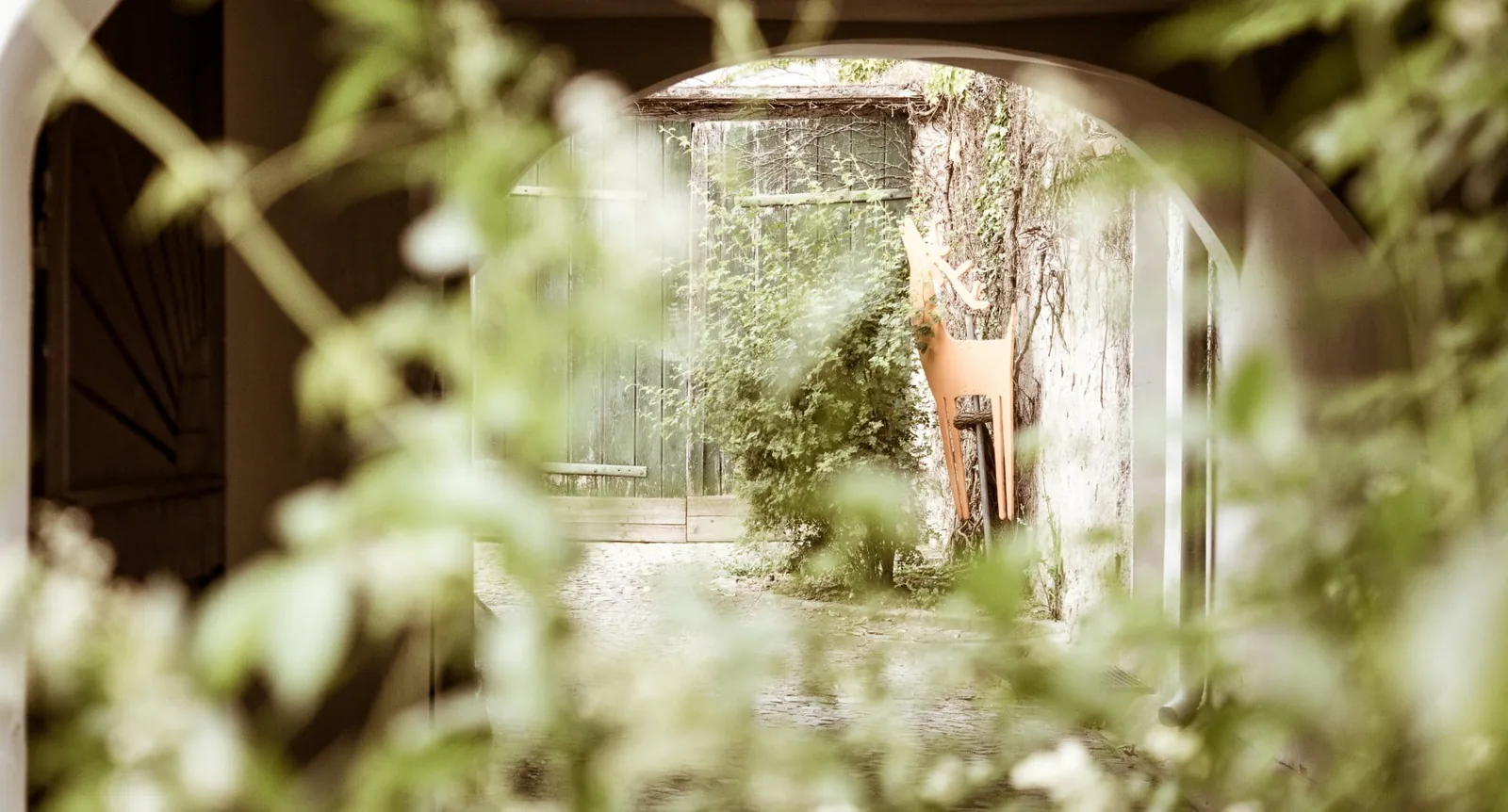
Weingut Hirsch
The Free Bacchus Story
Johannes Hirsch was one of the growers who started respekt-BIODYN rather than one who joined it later, which is a different kind of commitment. The estate works a tenant farm at Kammern in the Kamptal that is around five hundred years old.
The holdings read like a list of the Kamptal's best addresses: Heiligenstein and its Rotfels section, Gaisberg, Lamm, Grub, Renner. Two grapes, Grüner Veltliner and Riesling, which between them account for most of what Austria does well in white wine.
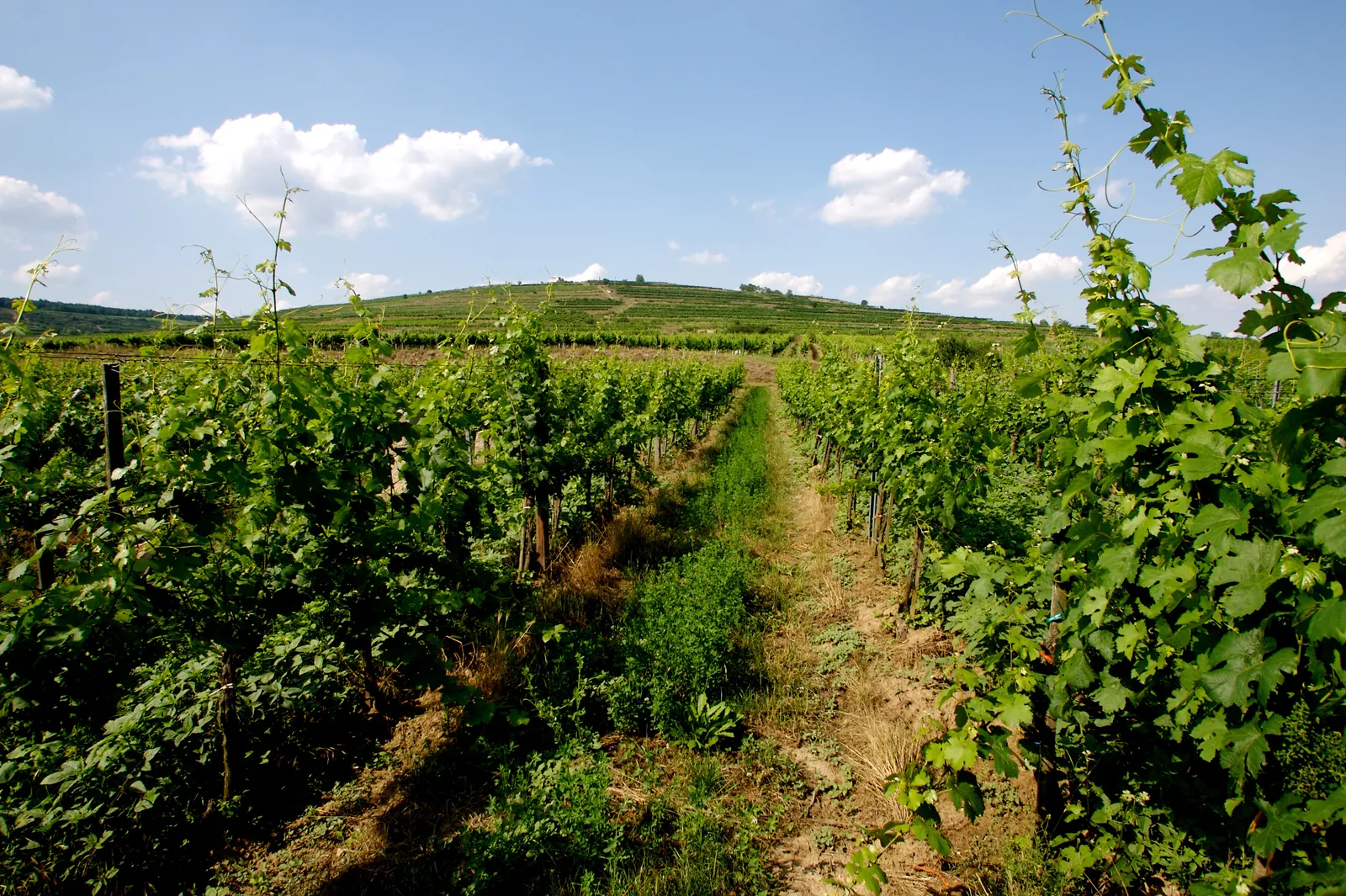
Grüner Veltliner is the one worth understanding first, because it is Austria's own and grows almost nowhere else in quantity. It is dry and medium-bodied with a savoury, peppery edge that sets it apart from the citrus-and-stone register of German Riesling, and it is one of the few white wines that genuinely handles vegetables at the table. The Riesling from the same hills is drier and firmer than the German equivalent, with less obvious fruit.
Heiligenstein is the name to remember. It is a steep terraced hill of desert sandstone and volcanic rock, and the wines from it are the ones that made the Kamptal's reputation.
Hirsch is on respekt-BIODYN's published register as a founding member. Membership requires EU organic certification; the certificate number is not confirmed here, and no flagship or price is recorded yet.
“The soil makes the wine.”
Why it’s remarkable
Free Bacchus Verification
respekt-BIODYN Biodynamic
Certified2
- respekt-BIODYN Biodynamic (founding member)
- EU organic certification required for membership
If you’re buying
Cheat sheet
Save it to your phone. Everything you need to recognise this producer, and three things worth saying about it, at a glance in a shop or across a table.