Skip to content
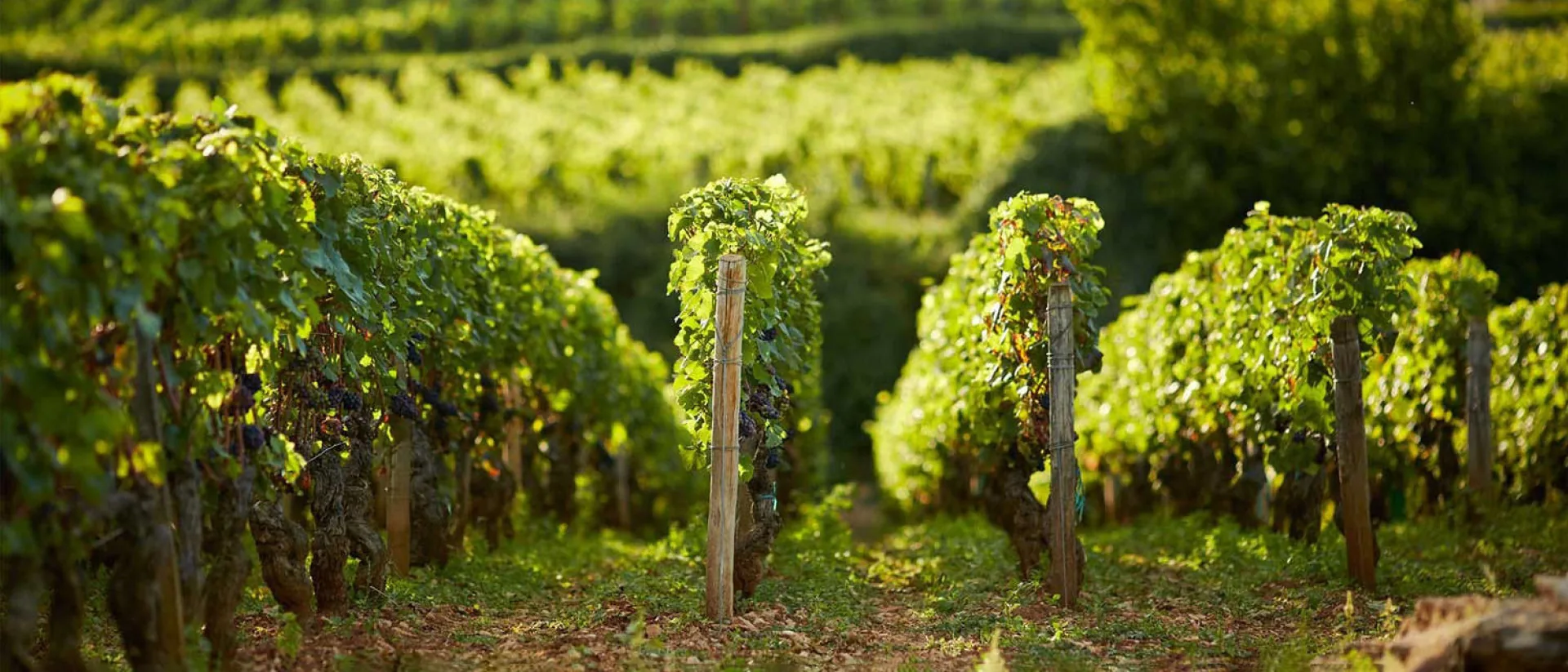
Rows of vines on wooden stakes in low warm light, with gnarled trunks at left and more rows rising behind
Meursault, Burgundy, FranceFranceOrganic / Biodynamic-practice Wine

Domaine des Comtes Lafon

kont la-FON · Meursault is mur-SO
Gold TierTypically $200+
Last verified · August 2026

Until 1993 the Lafon family didn't farm all their own vineyards. Substantial parcels were leased out under métayage, the sharecropping arrangement that was common in Burgundy, and Dominique Lafon spent years taking them back one lease at a time.

He converted the domaine to organic and then biodynamic farming through the 1990s, making Comtes Lafon one of the earlier converts in the Côte de Beaune. The holdings include a third of a hectare of Montrachet, which by most accounts is the greatest white wine vineyard in the world.
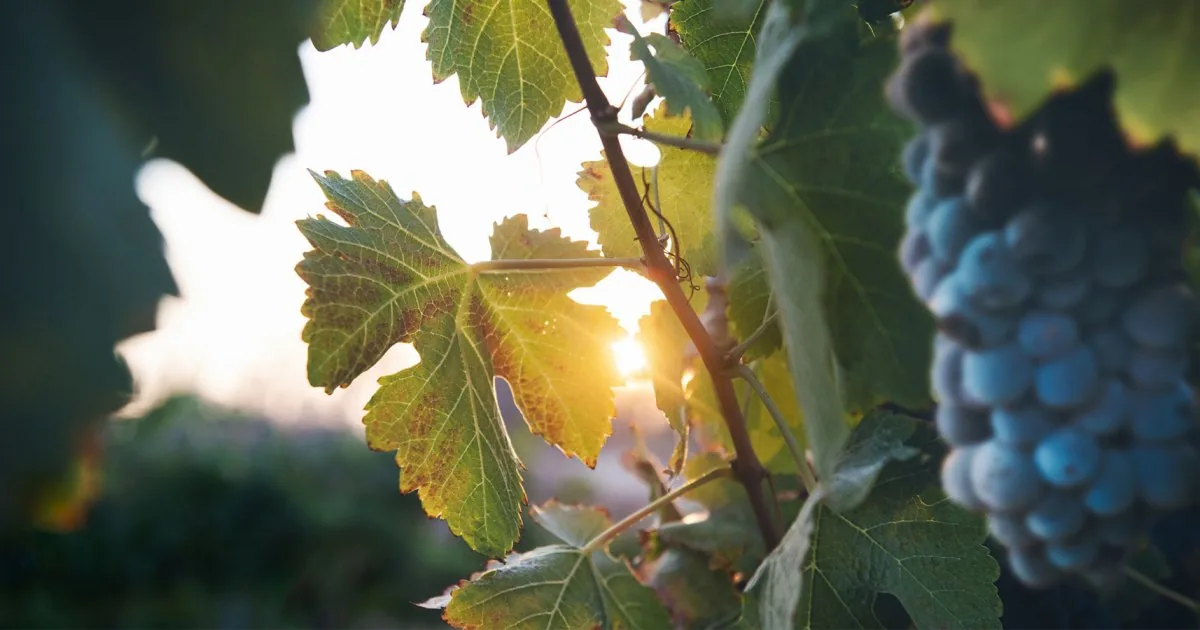
A backlit vine leaf with the low sun behind it, beside a bunch of dark blue grapes in soft focus

What he recovered, somebody else lost. Among the growers farming those leased parcels was Pierre Morey, also listed here, for whom the Lafons taking their vineyards back cost about half his vineyard area, and with it his most prestigious sites. Dominique retired at the end of 2021 and handed the domaine to his daughter Léa and his nephew Pierre.

The Montrachet is allocated and effectively unobtainable; the Meursault village bottling is farmed identically and can actually be bought.

Lafon also established Héritiers du Comte Lafon in the Mâconnais, applying the same farming to Chardonnay at a fraction of the Côte d'Or's land prices. That project has done more than most to make the Mâcon taken seriously.

“I admit I don’t really understand why they work, but they do.”
Dominique LafonProprietor, on the biodynamic preparations, 2000 · Decanter

Why it’s remarkable

Until 1993
he took the domaine back one expiring lease at a time
Much of the family’s land had been let out under métayage, the Burgundian sharecropping arrangement in which the grower keeps part of the crop. The decision to take it back was made in 1984, and Dominique Lafon recovered the parcels as each contract ended, finishing in 1993 with 13.8 hectares under direct control. You cannot change how land is farmed until you are the one farming it.
The other ledger
what he recovered, somebody else lost
Among the growers farming those parcels was Pierre Morey, also on this site. When the Lafons took their vineyards back it cost Morey about half his vineyard area, and with it his most prestigious sites. It was done gradually and by agreement, and the négociant label he built afterwards, Morey-Blanc, was made from the contracts he found to replace them.
1992, 1995, 1998
herbicides out, then organic, then biodynamic
Synthetic products were banned from the vines in 1992 and tillage brought back. The organic conversion began in 1995 and biodynamic farming followed from 1998; the national organic register dates the certification to July 1998. Our verification line records the organic certificate, which is what has been audited.
The Mâcon­nais
the same farming, on land nobody was fighting over
Lafon bought in Milly-Lamartine in 1999 and added six hectares in 2003, bottling as Héritiers du Comte Lafon. Applying Côte d’Or farming to Mâcon Chardonnay has done more than most projects to get the region taken seriously — and it is where you can actually taste the method without an allocation.
Independently certified, and checked against the issuing body’s own register. Not a compromise on quality — see how we verify.

Free Bacchus Verification

Track A
Formal third-party certification, confirmed against the issuing body’s own register.

Ecocert France organic

Certified1
  • Ecocert France organic, FR-BIO-01 — engaged 20 July 1998, Meursault
Also on record1
  • Biodynamic practice since 1998, not certified — nil on Demeter and Biodyvin
Re-verified annually against the issuing body’s register. How re-verification works
The producer’s own siteNo public website
Producers don’t pay to be here. There is no fee to be listed and no way to buy a higher tier. If the evidence doesn’t hold, the bottle isn’t here.
Flagship
Montrachet Grand Cru

If you’re buying

Price
Around US$3,800 for the flagship bottling, which is allocated rather than openly sold. Approximate, and it moves with vintage and market.
Drinking now
The village Meursault is farmed identically to the grands crus and drinks well from about five years. Le Montrachet is allocated and effectively unobtainable.
Serving
Serve at 12–13°C, not fridge cold, in a large glass. No decanting.
Availability
Allocated — released to a limited list, so expect to wait or hunt.
Tastes like
Meursault in the taut register rather than the rich one — citrus, hazelnut and a long saline finish. Built to age.
Pairs with
Roast chicken, grilled turbot, or a mild washed-rind cheese.
Price bands are approximate and move with vintage, market and region. They are a guide, not a quotation.

Start here instead

Domaine Pierre Morey — Demeter-certified biodynamic Meursault from the grower who once farmed some of these very parcels, at a fraction of the price.

Cheat sheet

Save it to your phone. Everything you need to recognise this producer, and three things worth saying about it, at a glance in a shop or across a table.

67 verified producers in France →

From the Journal

← Domaine WeinbachThe Verification StandardDomaine du Comte Liger-Belair →

More Verified Houses · France

Where to go next

Three more from the cellar, chosen by what is in the glass rather than where it is from.

Weingut Veyder-MalbergWhite · Austria Domaine LeflaiveWhite · France Cowhorn Vineyard & GardenWhite · United States
↑