Weingut Karl Fritsch
The Free Bacchus Story
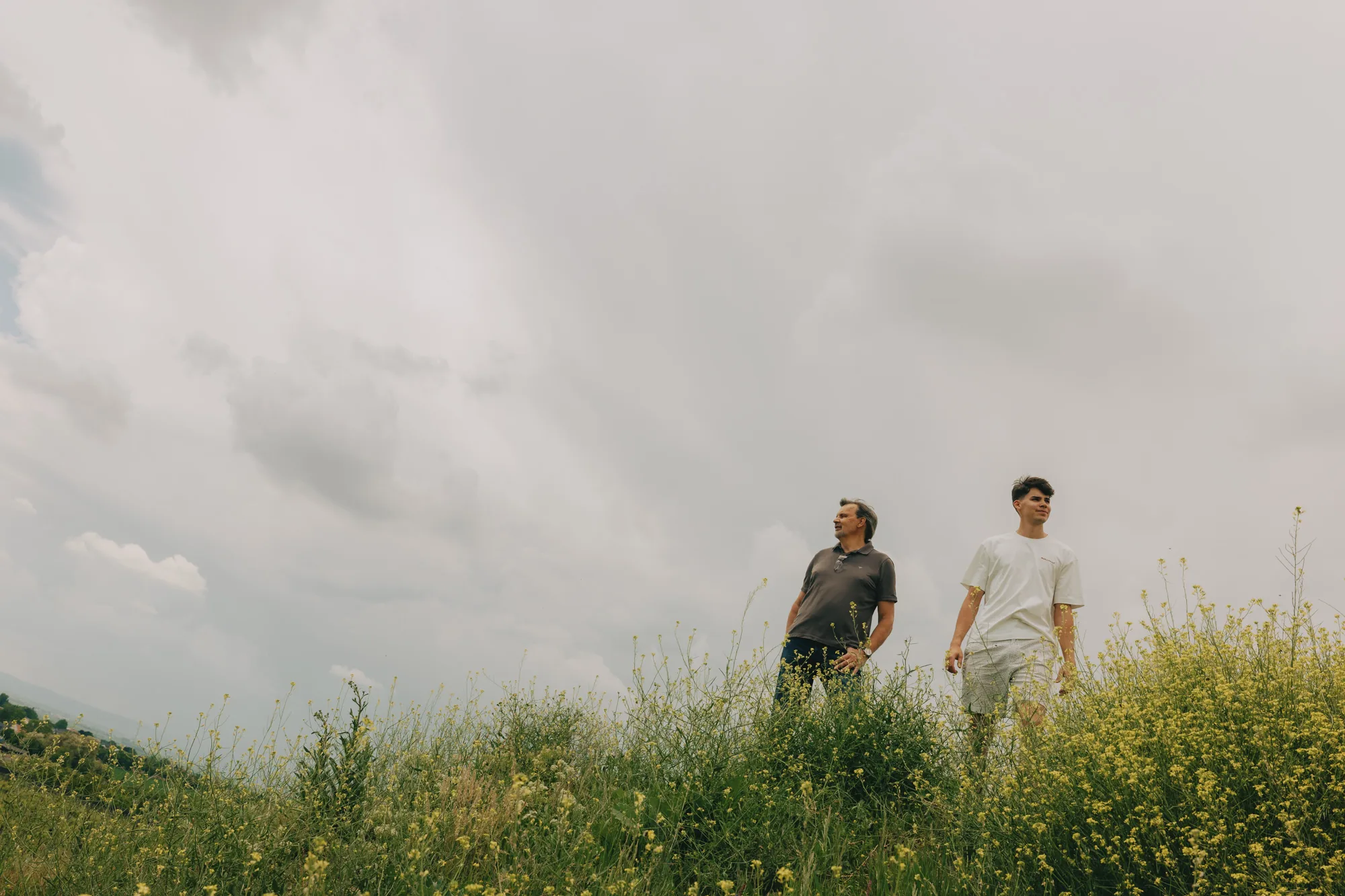
Karl Fritsch was one of the thirteen growers who began meeting in 2005 to talk about farming biodynamically in Austria, and in 2007 they founded respekt-BIODYN, the association that now certifies biodynamic farming for its members across central Europe. He still belongs.
The estate, the Weinberghof, is at Oberstockstall on the Wagram, and all 25 of its hectares are farmed biodynamically. The Wagram is a long south-facing terrace on the edge of the Danube valley, with limy soils and deep loess, soft wind-blown silt that holds water well. Grüner Veltliner and Riesling are the estate’s main grapes. Grüner Veltliner is Austria’s own white grape, and on loess it comes out rounder and broader, with the white pepper the variety is known for right at the front.
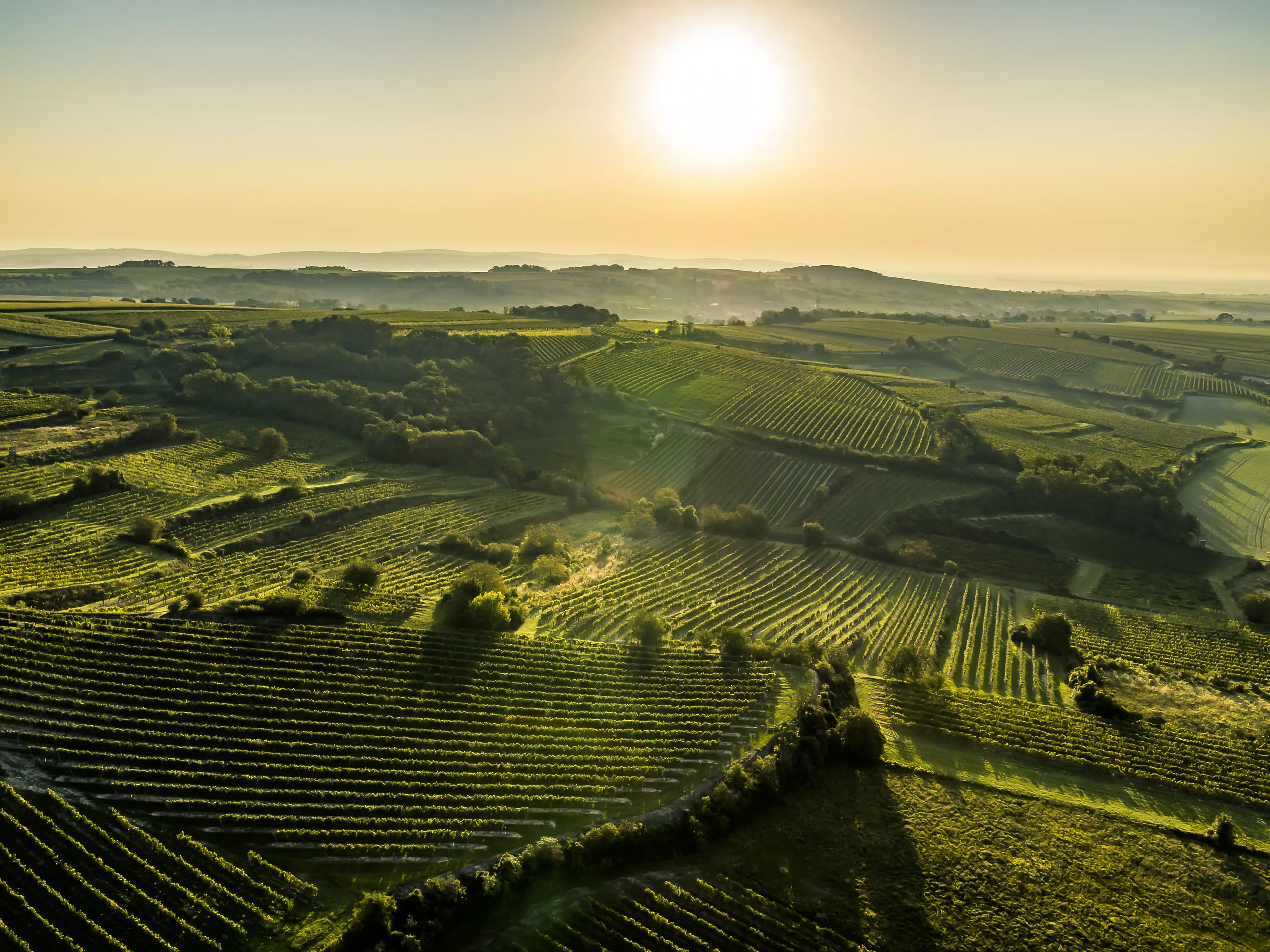
The single-vineyard wines come from sites the family names on the label. The Mordthal, a south-facing slope of loess over conglomerate and slate, gives full, mineral Riesling. Asked by the association why he belongs, Fritsch said it was because people are the focus there, and so that he can be a free farmer. The estate also holds an EU organic certificate from the Austrian control body LACON for its grapes and its wine.
“I’m just not as good as nature.”
Why it’s remarkable
Free Bacchus Verification
respekt-BIODYN biodynamic · LACON EU organic
Certified2
- Biodynamic, respekt-BIODYN, a founding member
- EU organic, LACON: AT-BIO-402.040-0027008.2025.001, grapes and wine
If you’re buying
Cheat sheet
Save it to your phone. Everything you need to recognise this producer, and three things worth saying about it, at a glance in a shop or across a table.