Weingut Ökonomierat Rebholz
The Free Bacchus Story
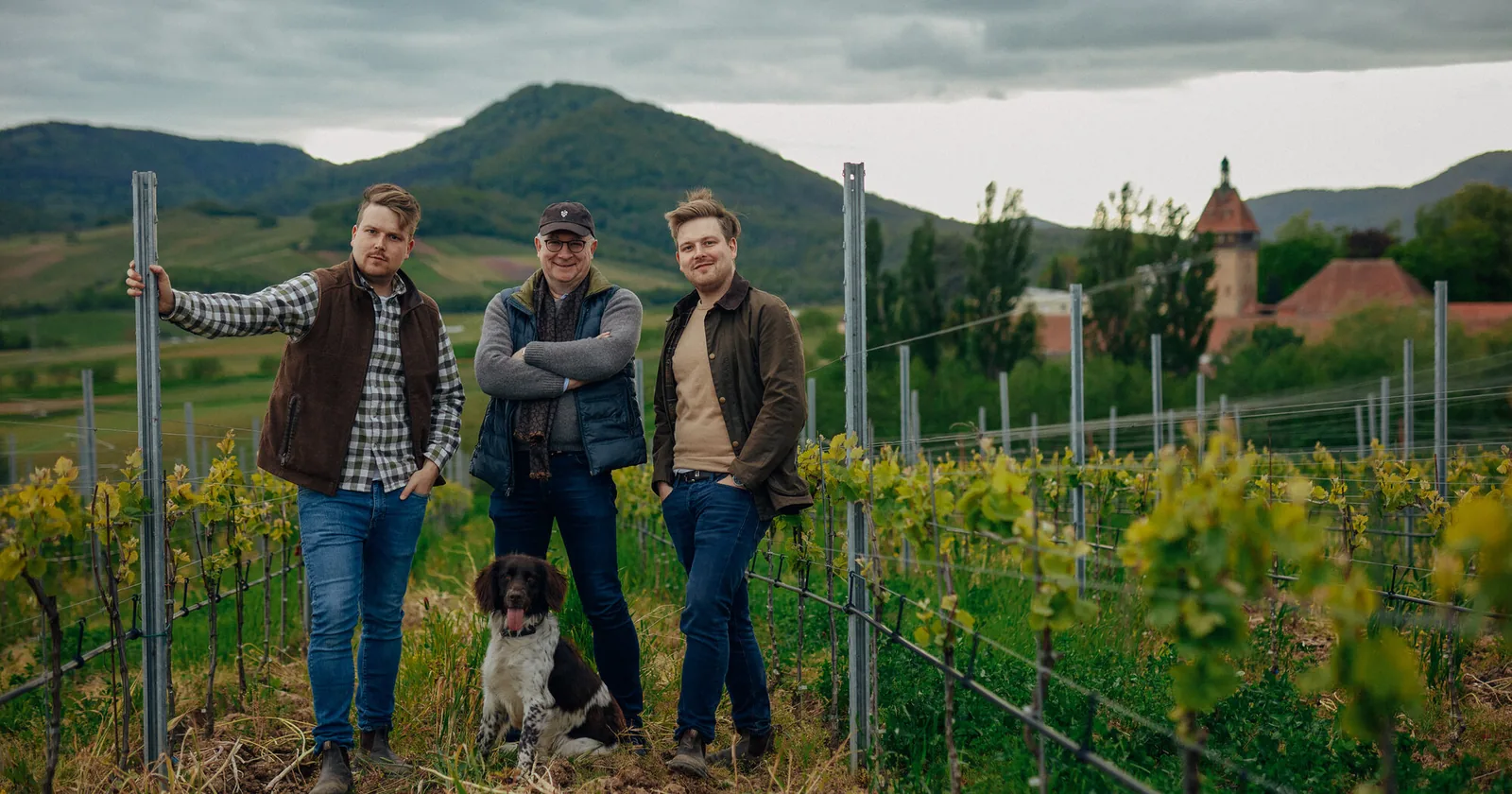
Biodynamics asks a grower to do things no laboratory has fully explained, and most estates that take it up either over-claim the science or go quiet about the parts they cannot justify. Hansjörg Rebholz does neither. Asked about it he says you cannot explain everything scientifically, and that you do not have to.
The estate sits at Siebeldingen in the Pfalz and has been in the family for three generations, long enough that the way it farms is a house habit rather than a recent decision. It is a member of respekt-BIODYN, the association of biodynamic growers across Germany, Austria and northern Italy, which requires EU organic certification of everyone it admits.
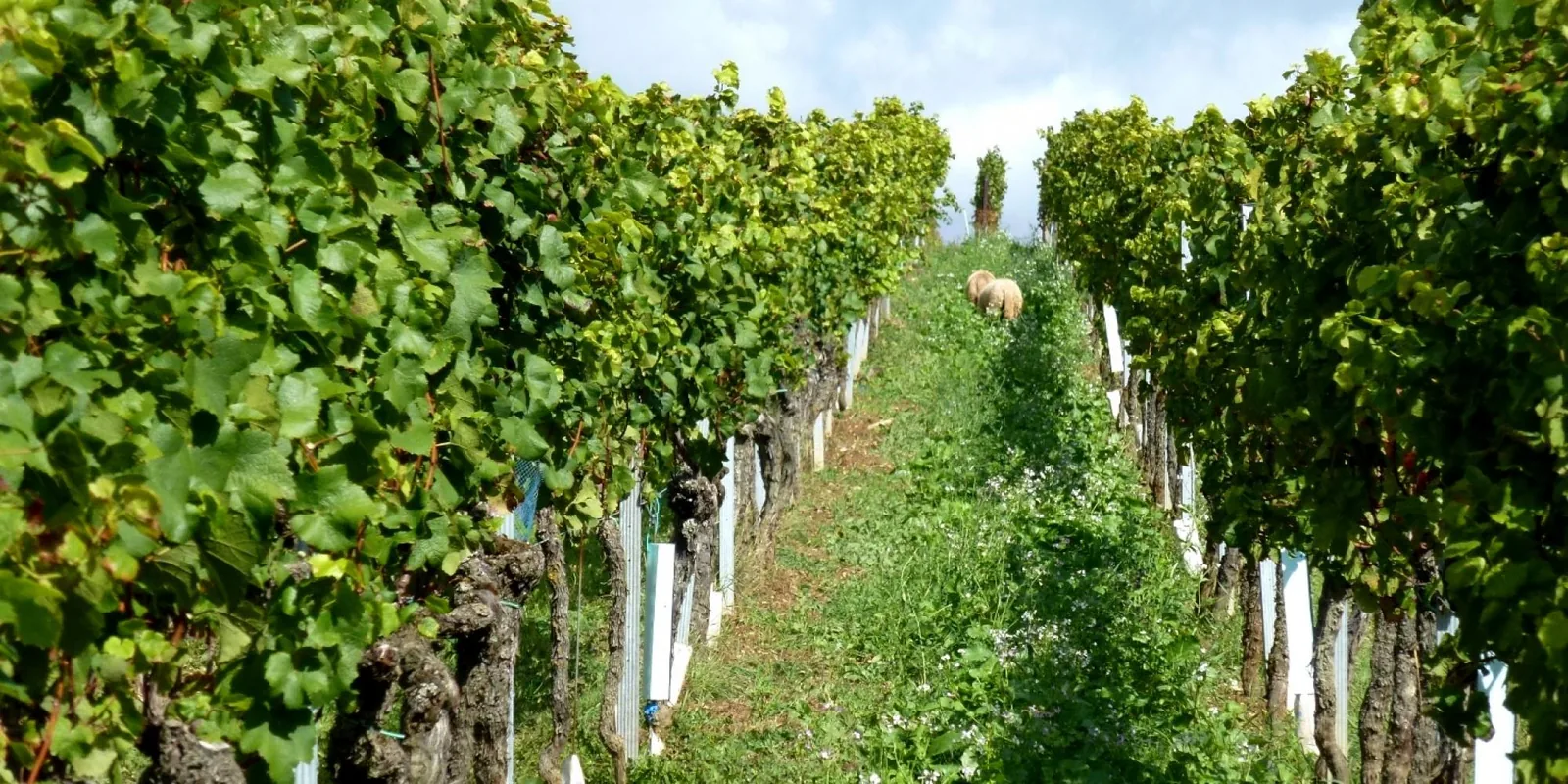
Riesling is what Germany is known for, and it is not the whole story. The Pfalz is where that becomes obvious: the Burgundian family grows well here — Weissburgunder and Grauburgunder, which are Pinot Blanc and Pinot Gris under German names, and Spätburgunder, which is Pinot Noir. Germany is the third-largest grower of Pinot Noir in the world after France and the United States, a fact that surprises almost everyone who hears it, and the wines run pale, red-fruited and savoury rather than heavy. If you like Burgundy and have never looked at Germany, this is the gap on the shelf.
The other thing worth knowing is that the sweet supermarket bottles which gave German wine its reputation abroad came from the same grape as the serious dry ones. Undoing that association has taken the best growers several decades, and it is still the first thing most of them have to explain.
What we can confirm here is membership, checked against the association's published list rather than taken from the estate. The EU organic certificate number is not recorded yet, and neither is a flagship bottling or a price. Those go in when they are confirmed.
“You cannot explain everything scientifically. You don’t have to.”
Why it’s remarkable
Free Bacchus Verification
respekt-BIODYN Biodynamic
Certified2
- respekt-BIODYN Biodynamic (member)
- EU organic certification required for membership
If you’re buying
Cheat sheet
Save it to your phone. Everything you need to recognise this producer, and three things worth saying about it, at a glance in a shop or across a table.