Domaine Marcel Deiss
The Free Bacchus Story
Jean-Michel Deiss labels seven of his vineyards premier cru. Alsace has no such classification. The rank does not legally exist, the designation carries no standing, and he has been arguing with the authorities about it, and about permission to plant old Alsatian varieties, for years.
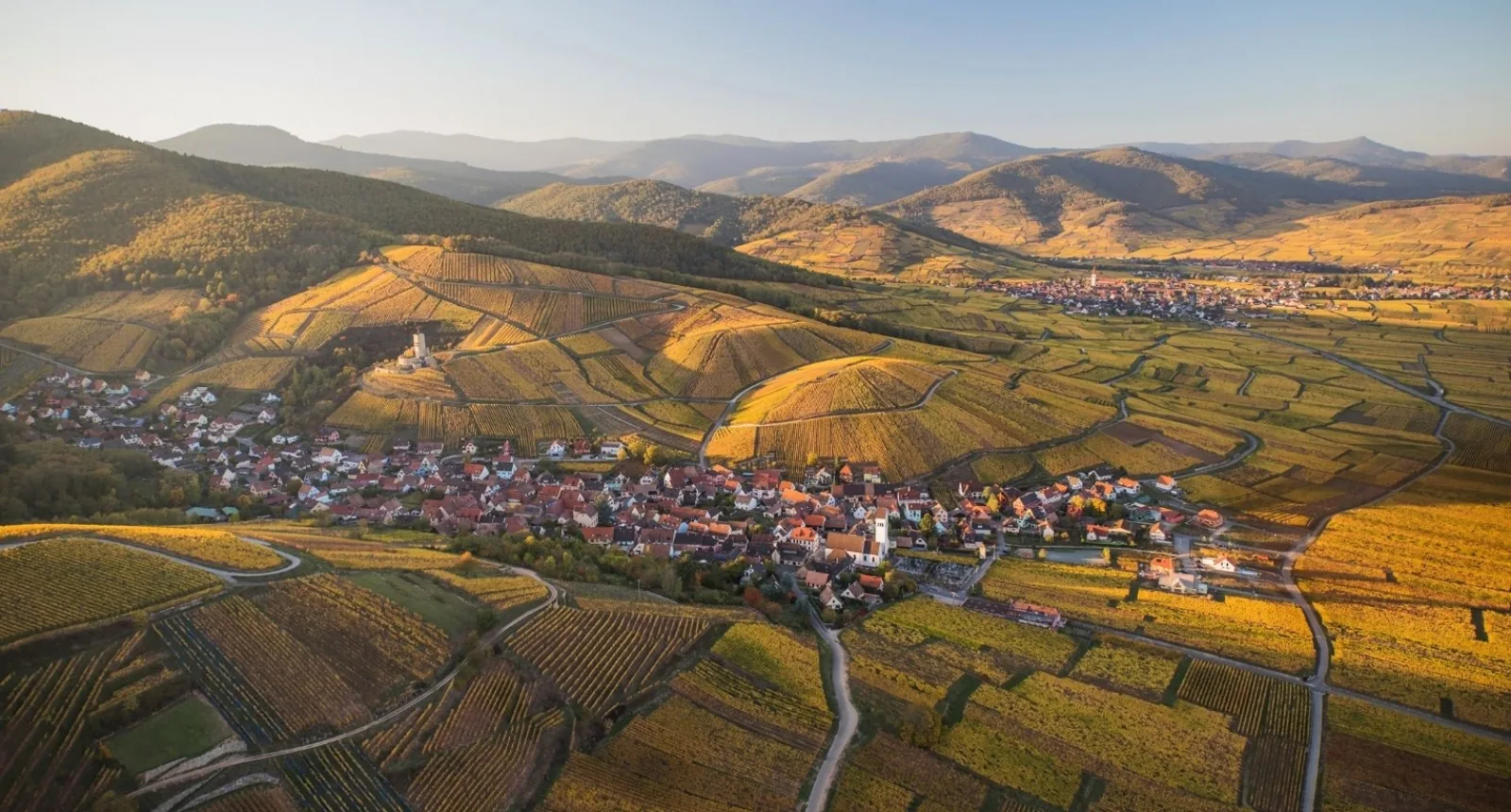
The argument underneath it is about how the vineyards are actually planted. Deiss inherited Schoenenbourg as an old field blend and replanted his best sites the same way: several varieties co-planted in one vineyard, ripening together, picked together and fermented together. He is firm that the results are not blends, because nothing is assembled after the fact — the mixing happens in the ground.
In 2005 he got the rules changed. The INAO reform of that year made grape-variety labelling optional for Alsace Grand Cru and permitted field blends in Altenberg de Bergheim. Deiss lobbied for it on the grounds that the existing rules described a twentieth-century labelling habit rather than the vineyards themselves.
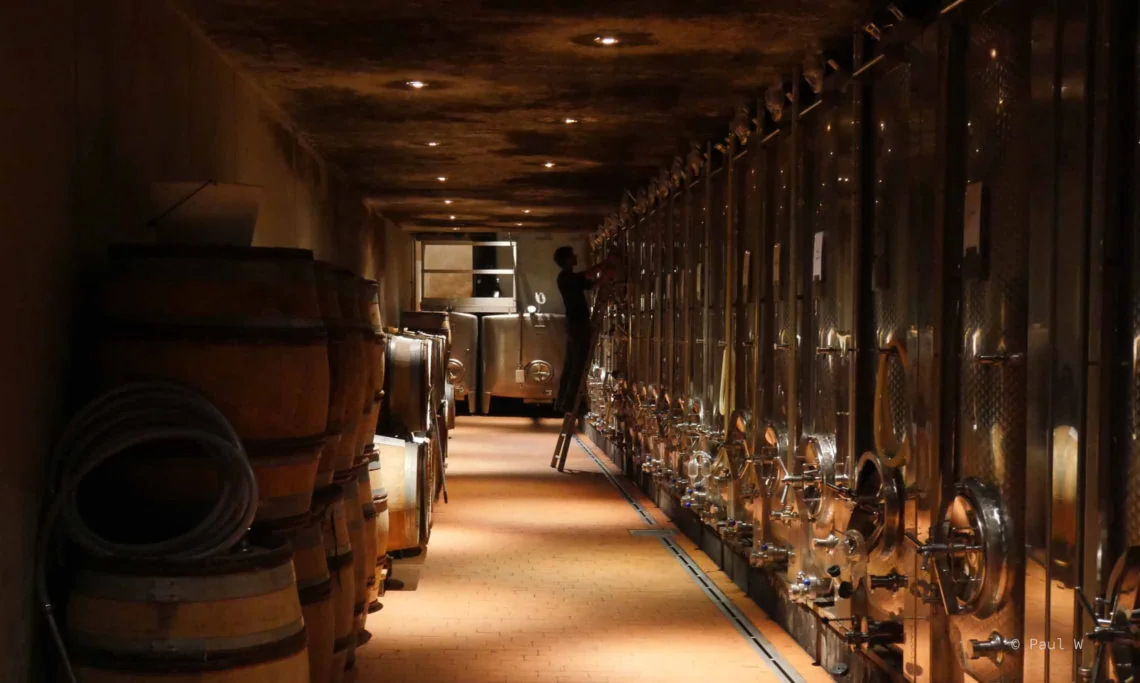
The farming runs to about twenty-six hectares at Bergheim, certified organic through Ecocert and biodynamic through Demeter.
Nearly every bottle you have bought is named after its grape, and Alsace took that habit further than anywhere else in France. Which is what makes a Deiss bottle strange on a shelf: a field blend has no single grape to put on the label, because several of them ripen and ferment together. What reaches the glass is a white wine of ripe orchard fruit and spice with a faint salt edge, usually richer than its pale colour suggests, and impossible to look up by variety. You buy the place instead. That is the whole argument, poured.
Whatever you make of the field-blend argument — and it is a genuine argument, not a marketing line — the farming underneath it is audited independently against two separate standards. The theory is contested. The certificates are not.
Why it’s remarkable
Free Bacchus Verification
Ecocert Organic · Demeter Biodynamic
Certified1
- Ecocert Organic + Demeter Biodynamic Certified since 1988
If you’re buying
Cheat sheet
Save it to your phone. Everything you need to recognise this producer, and three things worth saying about it, at a glance in a shop or across a table.