Weingut Leiner
The Free Bacchus Story
Most estates spend years farming their way toward a Demeter certificate. Leiner was handed one in 2011 with no waiting period at all, for the plain reason that there was nothing left to change. The farming the certificate describes was already the farming they did.
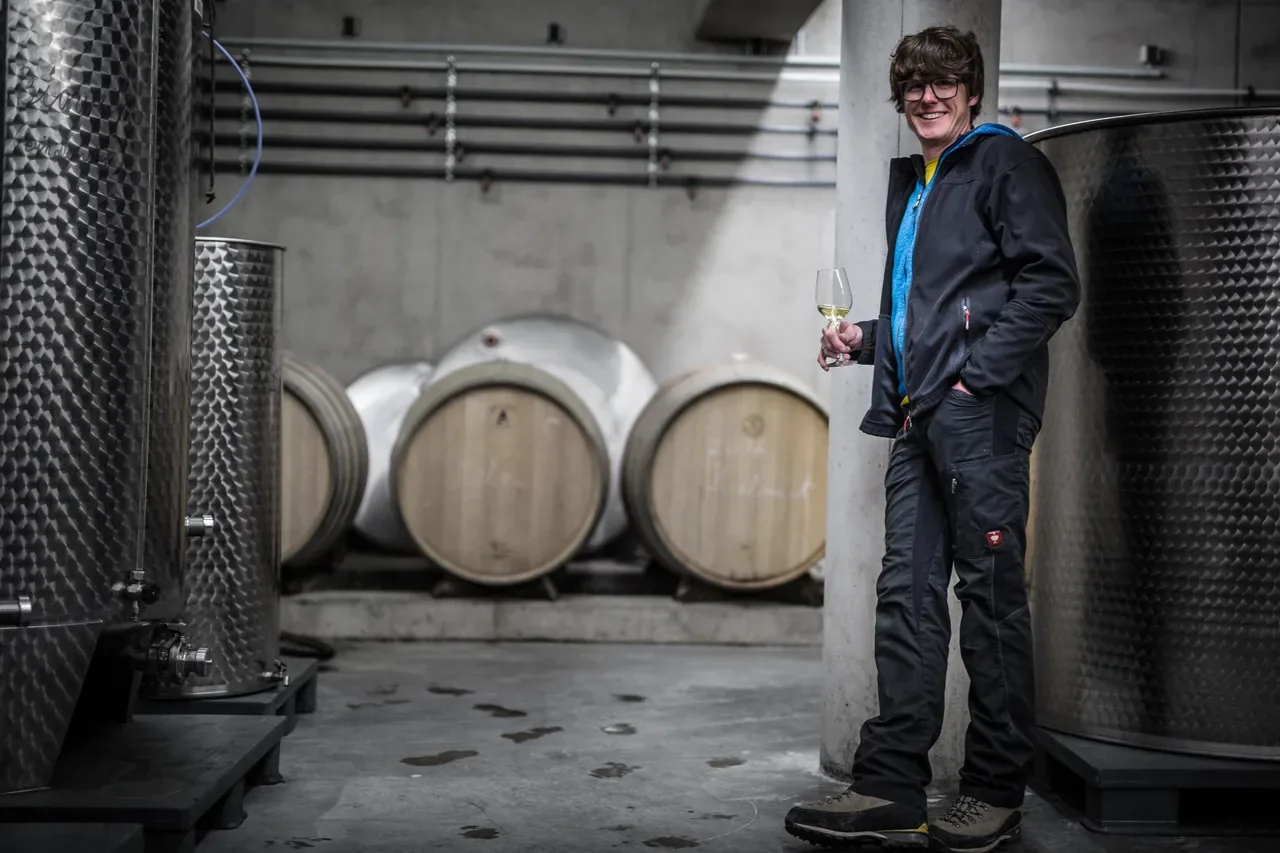
Jürgen Leiner turned the property into a dedicated wine estate in 1974, at Ilbesheim in the Südpfalz. His son Sven joined him in 2002. Seventeen hectares on limestone and loam, planted to Riesling and the Burgundian varieties, and certified organic since 2005 — six years before the biodynamic paperwork caught up with them.
The bottle that made their name, though, is a sparkling one. In autumn 2019 falstaff named their Sekt 15/16/17 the best Brut Nature in Germany. Brut Nature is the hard way to make sparkling wine. No sugar goes in at the end, so there is nothing to round off a sharp edge or carry a thin year. What you taste is what they grew.
If German wine is unfamiliar ground, this is a good door into it. Riesling is the country's signature grape, and the dry style is the one serious growers now build their reputations on: high acid, low alcohol, closer to citrus and wet stone than to oak or weight. The Pfalz sits at the warmer end of the country, so its Rieslings tend to carry a little more flesh than the featherweight bottles from the Mosel further north. Made into a Sekt with no sugar at the end, that grape has very little to hide behind.
respekt-BIODYN publishes the list of its members and Sven Leiner is on it, which is how we check a producer instead of taking their word for it. The one thing we do not have yet is their EU organic certificate number. It goes here when it arrives.
“It feels really good to work together on, and with, biodynamics.”
Why it’s remarkable
Free Bacchus Verification
Demeter Certified Biodynamic · EU Certified Organic · respekt-BIODYN
Certified3
- Demeter Certified Biodynamic (2011)
- EU Certified Organic (2005)
- respekt-BIODYN
If you’re buying
Cheat sheet
Save it to your phone. Everything you need to recognise this producer, and three things worth saying about it, at a glance in a shop or across a table.