Weingut Rainer Schnaitmann
The Free Bacchus Story
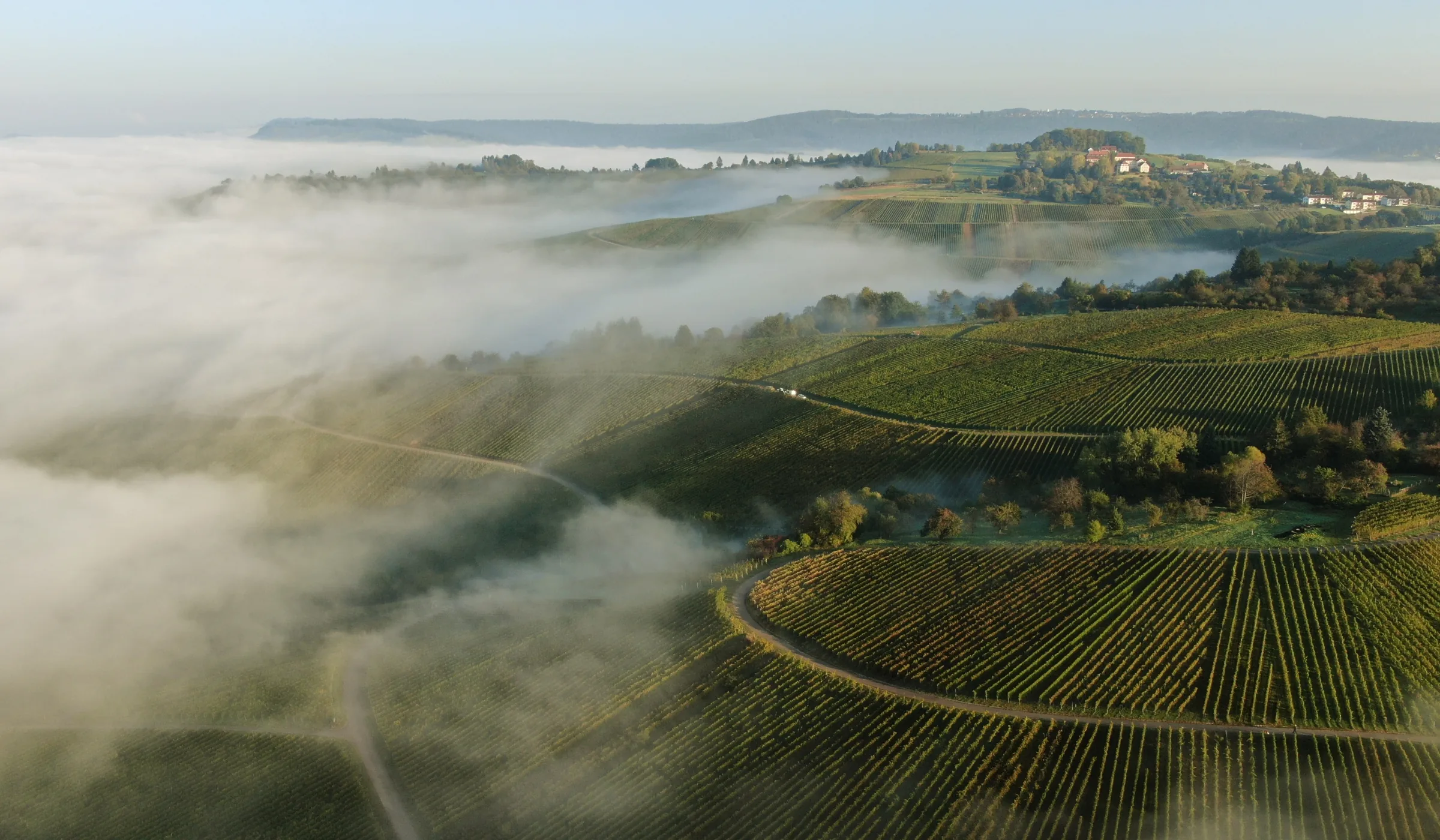
Rainer Schnaitmann decided to become a winegrower in the late 1980s, at twenty, convinced there was treasure in his family’s vineyards on the Kappelberg above Fellbach, just outside Stuttgart. He trained in the Remstal, the Rheingau, Italy and New Zealand, and came back believing the job is mostly about leaving things out. Wine has been grown in the region since at least 708, and on walled terraces since the tenth century.
Württemberg is one of Germany’s red-wine regions, and Spätburgunder, the German name for Pinot Noir, is at the top of Schnaitmann’s range. His top reds carry the name Simonroth, after the family’s largest vineyard in the Lämmler, Fellbach’s best site. The name comes from a hamlet founded more than a thousand years ago and abandoned in the Middle Ages. Rainer introduced it in 1997, and in the Swabian dialect it sounds like Semmerrod. He farms many small parcels across Fellbach and the Remstal, each with its own soil, and helps them along with cover crops, compost and cultivation.
The estate has been certified organic and biodynamic since 2024. respekt-BIODYN, the association of central European growers that certifies biodynamic farming, lists him among its members, and the EU register lists the estate for its grapes and its wine.
Why it’s remarkable
Free Bacchus Verification
respekt-BIODYN biodynamic · EU organic (DE-ÖKO-022)
Certified2
- Biodynamic, respekt-BIODYN
- EU organic, DE-ÖKO-022: DE-ÖKO-022.276-0033740.2025.001, grapes and wine
Cheat sheet
Save it to your phone. Everything you need to recognise this producer, and three things worth saying about it, at a glance in a shop or across a table.
From the Journal
More Verified Houses · Germany
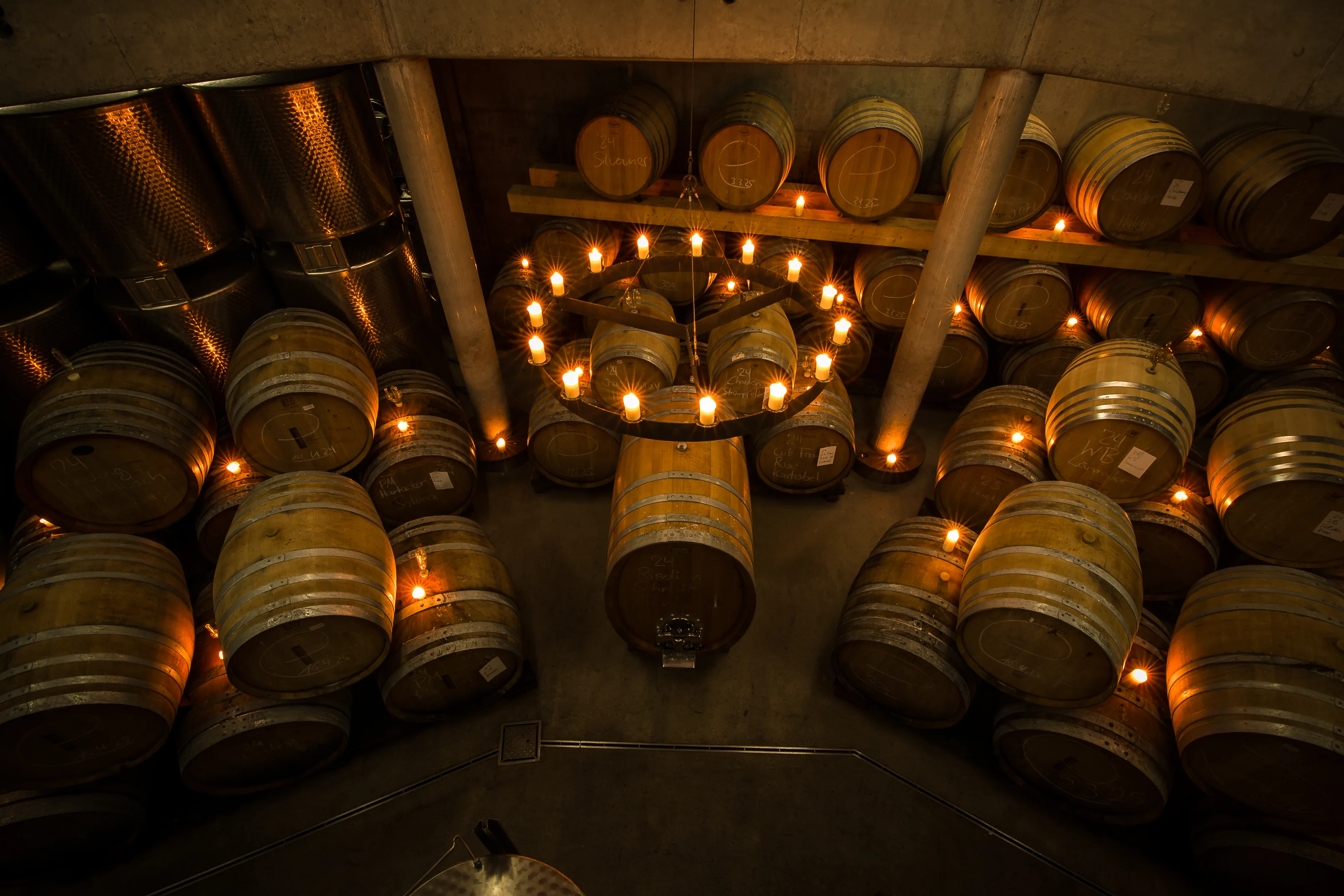
Photograph across the middle of this page: Barrel cellar, Weingut Rainer Schnaitmann by Timo Volz, © Timo Volz, via Weingut Rainer Schnaitmann. Cropped, resized and colour-adjusted for this page.