Weingut Bernhard Huber
The Free Bacchus Story
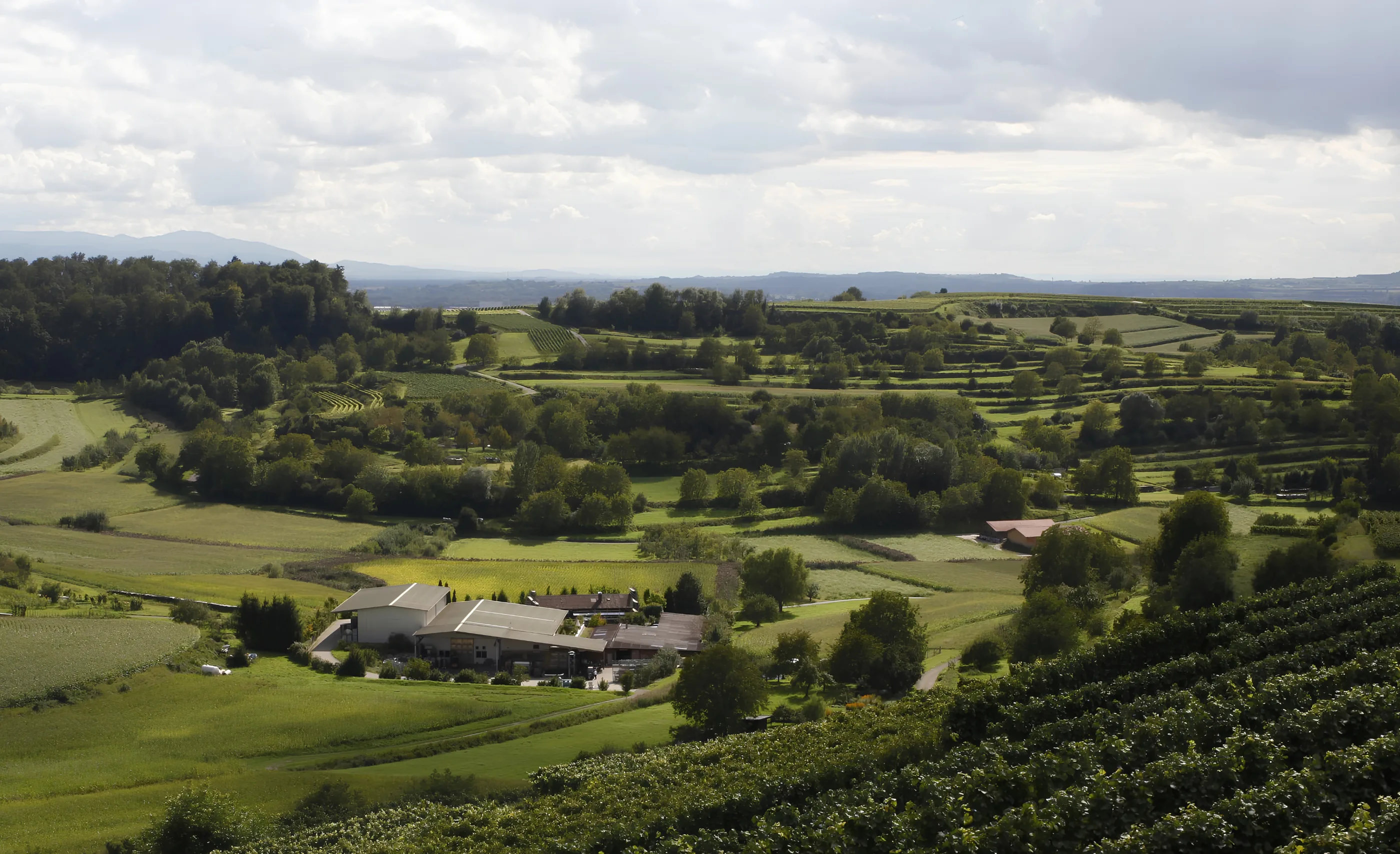
More than 700 years ago Cistercian monks brought vines from Burgundy to Malterdingen, in Baden, because they found the same shell-limestone soil there. Their farm, the curia, stood where the Huber estate stands now. The grape they planted, Pinot Noir, became so rooted in the village that old ampelographies list Malterdinger among its names.
Spätburgunder is the German name for Pinot Noir, and it makes up 70 per cent of the Hubers’ vineyards, with Chardonnay next at 15. Bernhard Huber built the estate into one of the best-known names in German Pinot Noir, and from the 1988 vintage he bottled every wine unfiltered. He died in June 2014 after a long illness. His son Julian had already taken charge of the vineyards and cellar while he was still studying oenology.
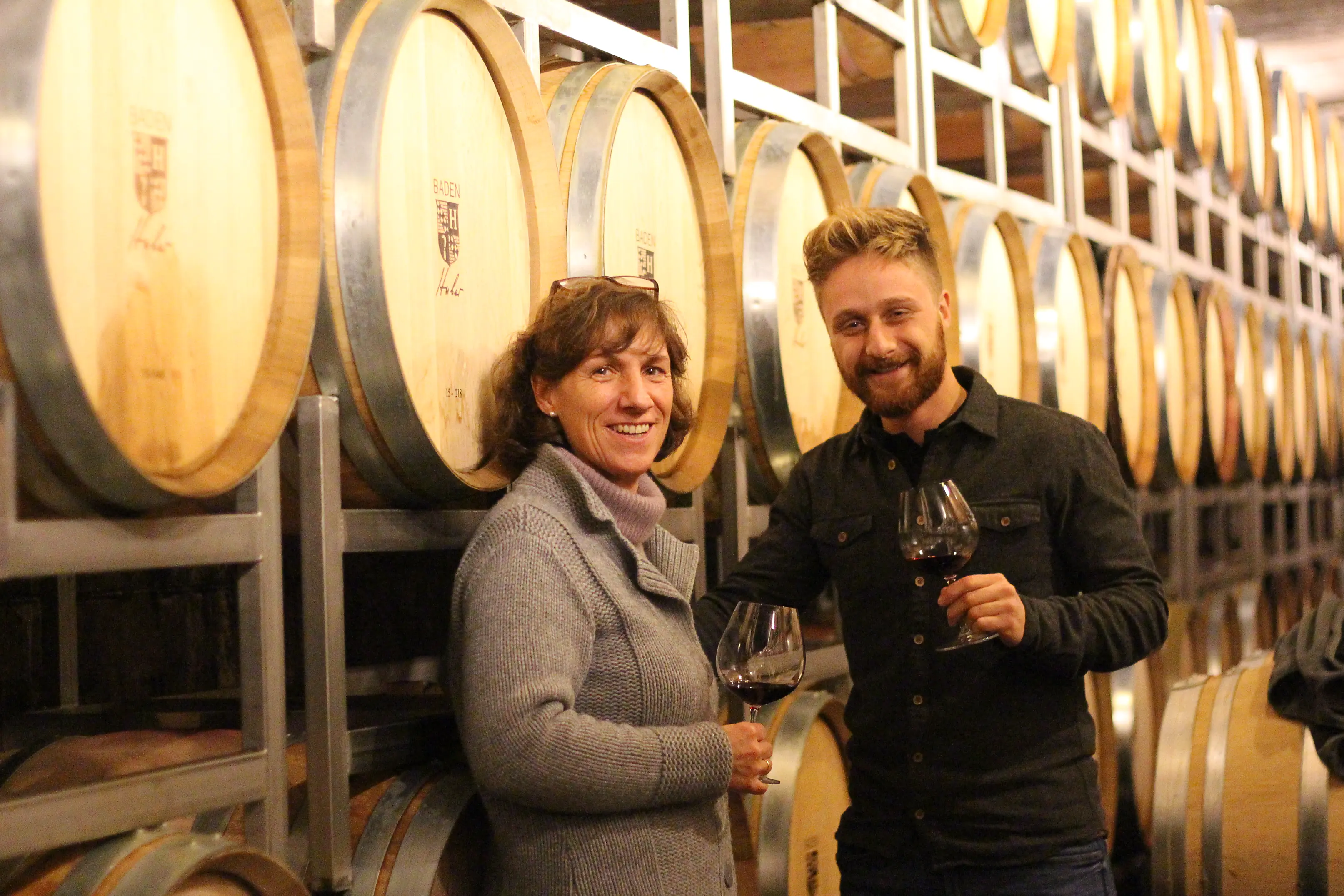
Julian’s changes show from the 2012 vintage: new vineyards planted very densely, with only Burgundian clones, picked selectively by hand, and the best Spätburgunder fermented in open vats. Barbara and Julian Huber own and run it now, and it is certified organic. The EU register lists Weingut Bernhard Huber, in their names, for its grapes and its wine.
“Less is more. We want to concentrate on the essential and the given.”
Why it’s remarkable
Free Bacchus Verification
EU organic (DE-ÖKO-022)
Certified1
- EU organic, DE-ÖKO-022: DE-ÖKO-022.276-0039928.2026.001, grapes and wine
Cheat sheet
Save it to your phone. Everything you need to recognise this producer, and three things worth saying about it, at a glance in a shop or across a table.