Bodega Cecchin
The Free Bacchus Story
Asked in 2015 whether the family had certified its biodynamic work, Alberto Cecchin gave the kind of answer most producers keep off the record. They already farm to the biodynamic calendar — picking on the rising moon, when the sap is in the fruit — but the certificate costs money, and no buyer abroad had ever asked for one, so it could not be justified yet. Eleven years later there is still no Demeter listing for the house, and the wine is made the same way regardless.
The Cecchins came from the Veneto and spent their first years in Argentina working other people’s vines as contractors. In 1959 two of the sons, Pedro and Jorge, bought a winery at Russell in Maipú that had been standing since 1898, built of adobe and mud. For four decades the wine left in bulk, anonymous, to be blended by somebody else. The family name only went on a label at the turn of the century, and the organic certificate arrived at about the same time: Argentina’s own industrial research institute dates it to 1999, the family says 2001.
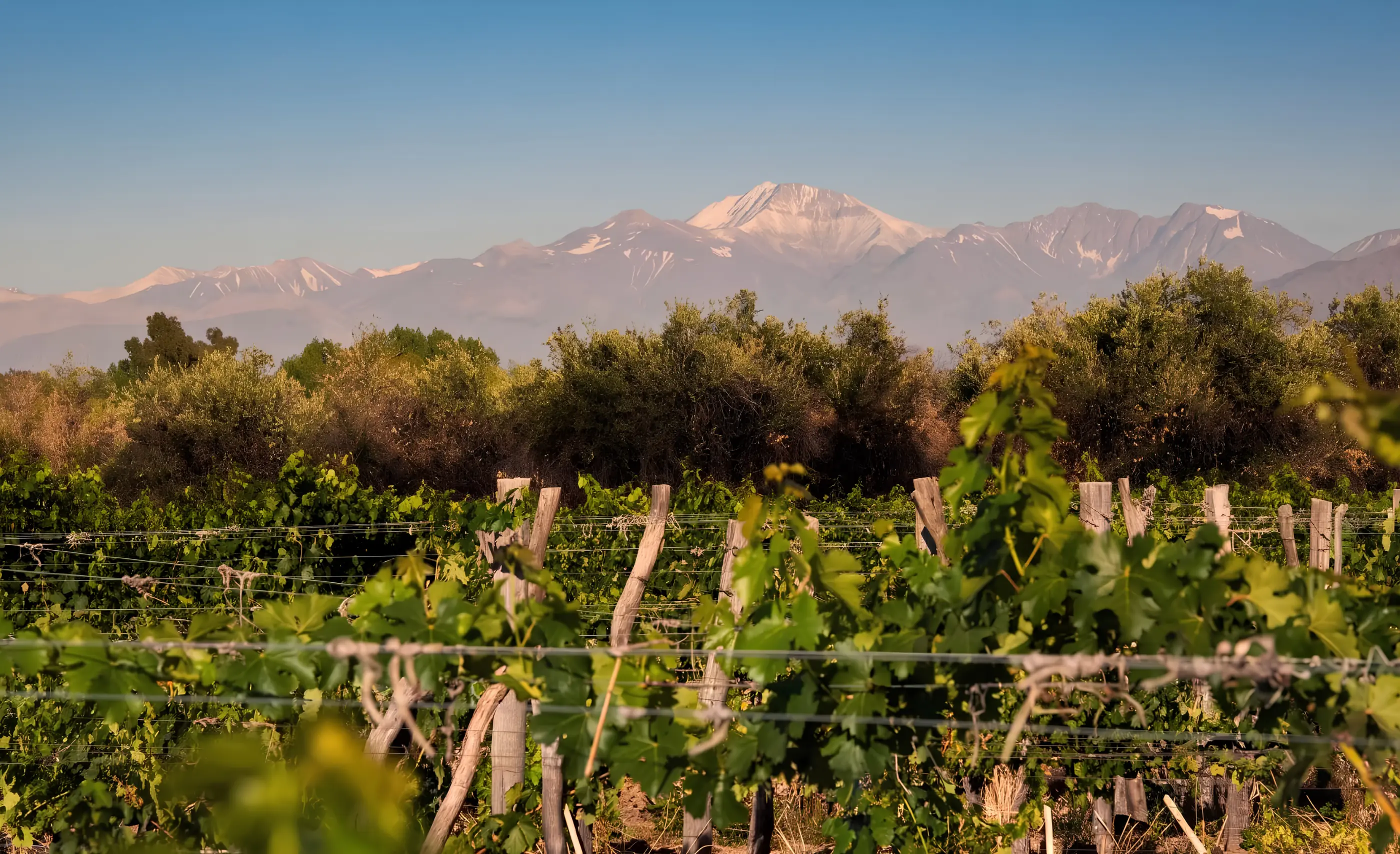
Maipú is old vineyard country, one of the first districts planted around the city of Mendoza, on flatter and warmer land than the high benches of the Uco Valley that the fashionable bottles come from. The farm is spread across three of those older districts — Russell in Maipú, Junín out on the eastern plain, and Ugarteche in Luján de Cuyo — and the vines in them are 29, 41 and 63 years old.
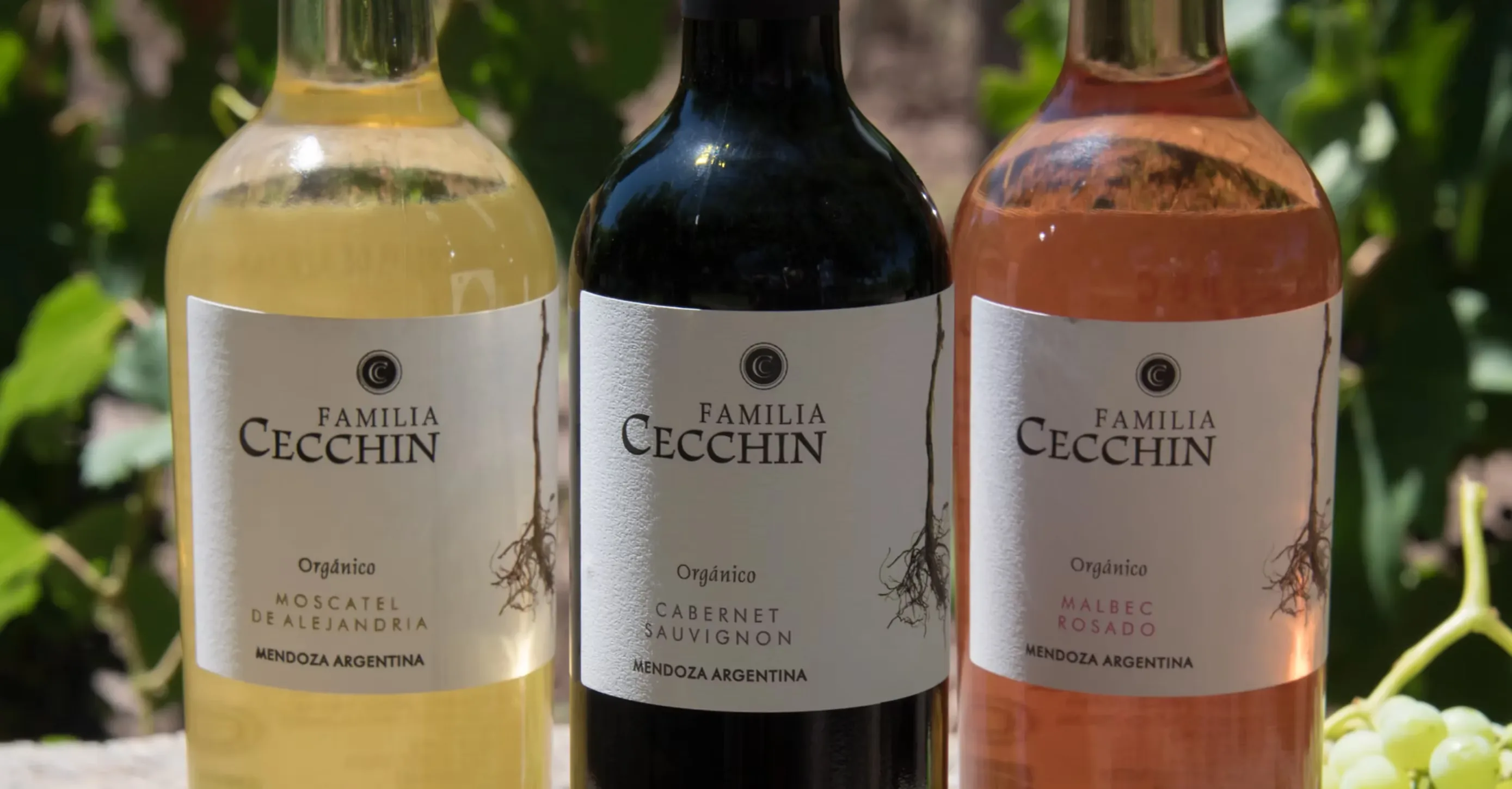
What the house is known for is what it leaves out. INTI, the Argentine government’s industrial research institute, credits Cecchin as the first winery in the country to make wine without added sulphites, and says it led that field for more than twenty years. It is not a marketing line: the US organic register lists “WINE WITHOUT SULFITES” among the certified products of the winery itself. Both certificates are OIA’s, the farm since 2008 and the cellar since 2006, and between them they cover everything the family makes.
“For now, taking on the cost of certification is not justified”
Why it’s remarkable
Free Bacchus Verification
Organic, OIA: the farm since 2008 and the winery since 2006 · the whole range
Certified3
- USDA NOP organic, OIA (Organización Internacional Agropecuaria): the farm, Pedro y Jorge Cecchin S.R.L. (NOP 5500000882), certified since 13 October 2008 over 151 acres, and the winery (NOP 5500001104), certified since 10 October 2006 for wine, wine without sulphites and grape juice
- The producer’s own technical sheets name OIA on every wine, and Argentina’s SENASA register lists both the farm and the winery under OIA
- The certificates cover the whole range, vineyards and cellar alike
If you’re buying
Cheat sheet
Save it to your phone. Everything you need to recognise this producer, and three things worth saying about it, at a glance in a shop or across a table.