Clos Henri
The Free Bacchus Story
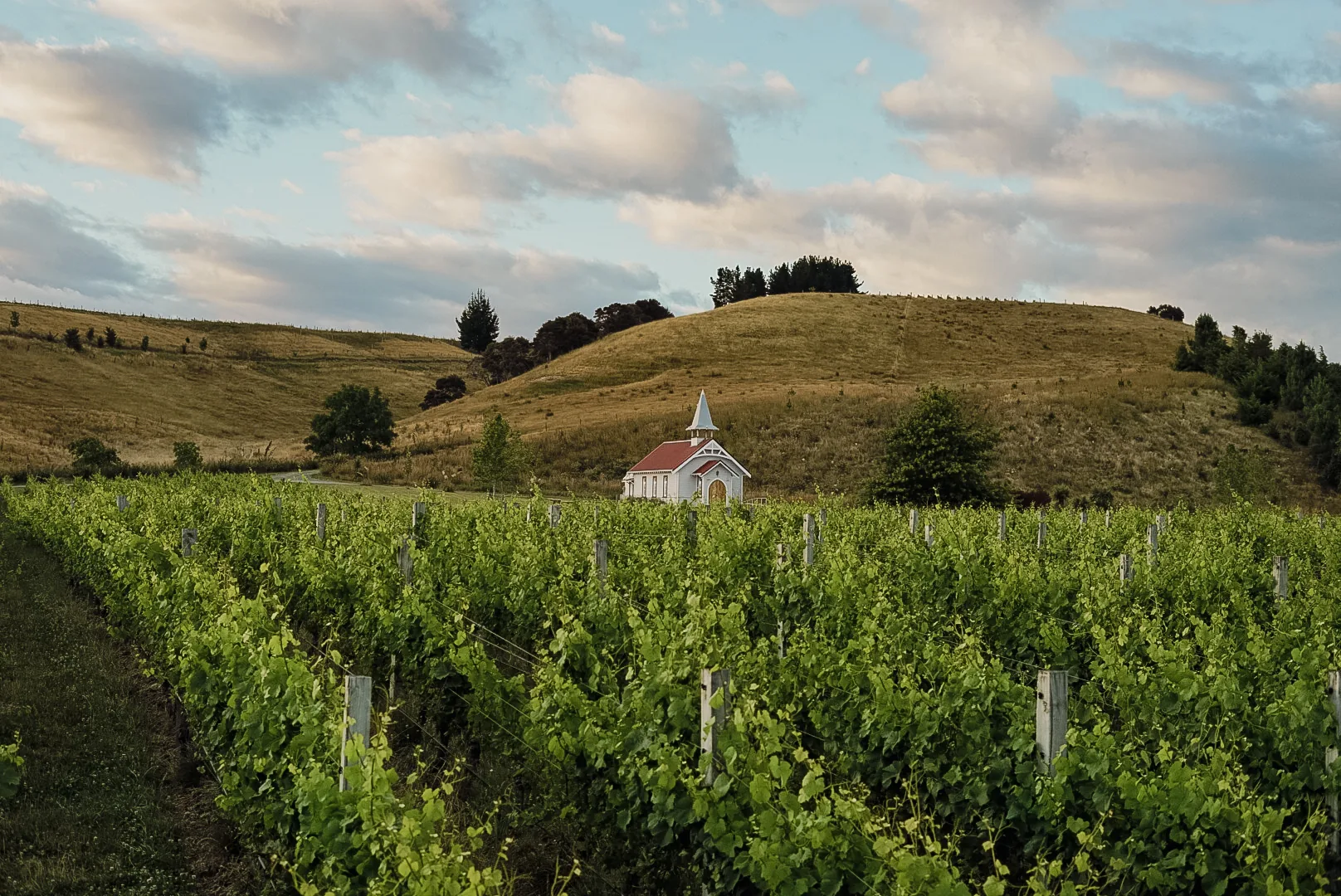
The Bourgeois family makes Sancerre in the Loire, and the brothers Jean-Marie and Rémi went looking for somewhere else to grow Sauvignon Blanc. Their search took twelve years and ended in Marlborough in 2000, with 98 hectares of bare land in the Wairau Valley. They named it Clos Henri after their father; the family says it Klo Enrie. A country church built in the 1920s at Ward was moved onto the vineyard in 2003, deconsecrated, and renamed Sainte Solange after their mother. It is the tasting room now.
Sancerre and Marlborough grow the same grape and make very different wine from it. Sancerre is the cool, restrained original; Marlborough made Sauvignon Blanc loud, green and tropical, and famous for it. Clos Henri set out to make something with a foot in each, planted on three soils, one of glacial stones and two of windblown clay. It plants 5,500 vines a hectare, which it says is about twice the Marlborough norm, which the estate says gives less fruit, more concentrated, and forces each vine to go deeper into the soil for water.
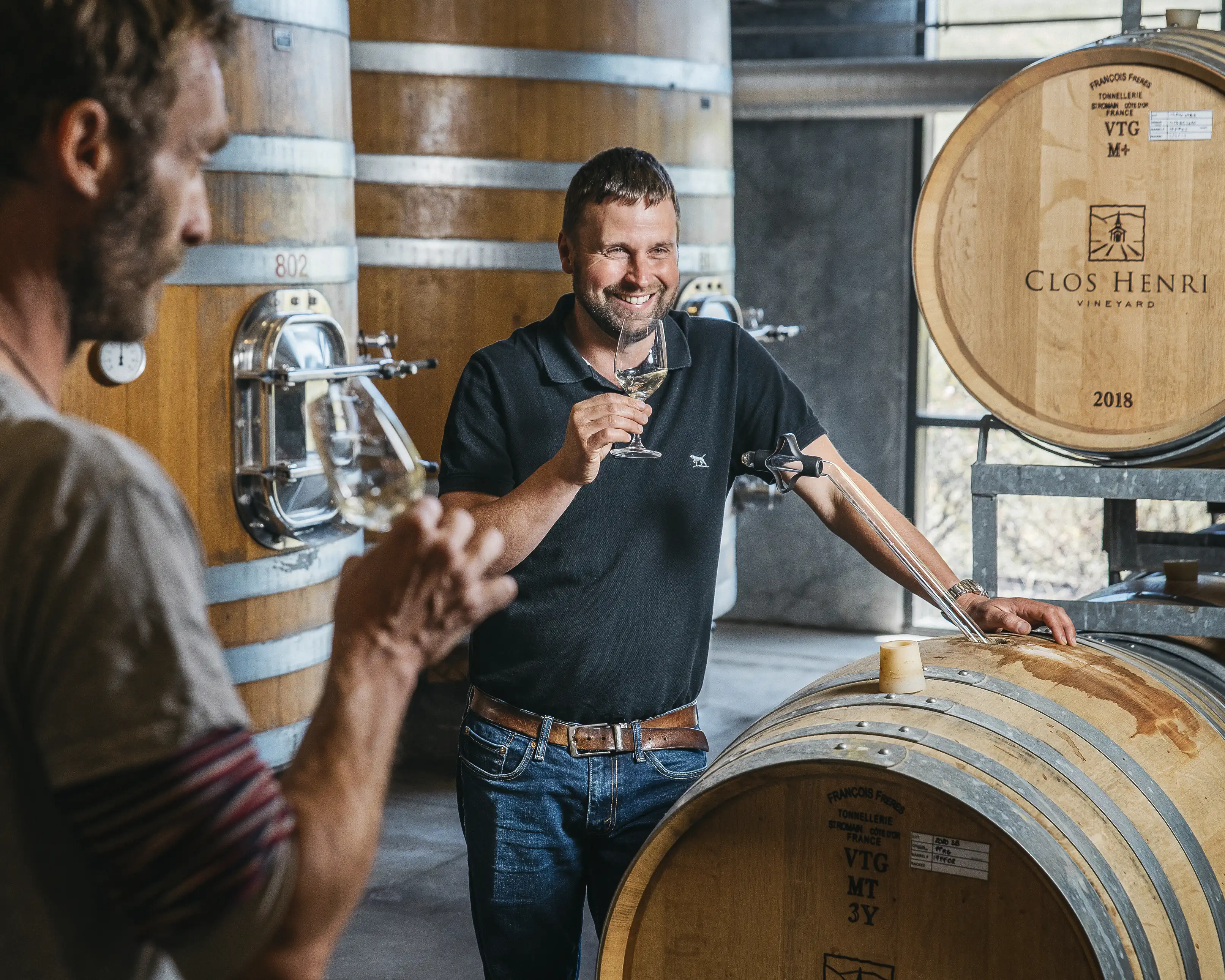
The estate has been fully certified organic since the 2013 harvest. Its general manager and winemaker, Damien Yvon, thinks Marlborough is easy country for it, and he believes most Marlborough Sauvignon is given far more water than it needs; Clos Henri is working toward dry farming but says plainly it is not there yet. It uses biodynamic practices without a biodynamic certificate. All the fruit is its own. The family, Yvon says, never had any intention of buying grapes.
The range was relabelled recently. The old Petit Clos, named for young vines that are no longer young, became Clos Henri Estate, and the top wines are now single-vineyard bottlings: Otira from the glacial stones and Waimaunga from the windblown clays. The Estate Sauvignon Blanc is the way in, and the one the estate calls its flagship.
“If we can’t grow grapes organically here, then we should stop viticulture altogether.”
Why it’s remarkable
Free Bacchus Verification
BioGro licence 5259
Certified2
- BioGro licence 5259, valid to 28 February 2027
- Fully certified since the 2013 harvest
Also on record1
- Biodynamic practices, not certified
If you’re buying
Cheat sheet
Save it to your phone. Everything you need to recognise this producer, and three things worth saying about it, at a glance in a shop or across a table.