Ata Rangi
The Free Bacchus Story
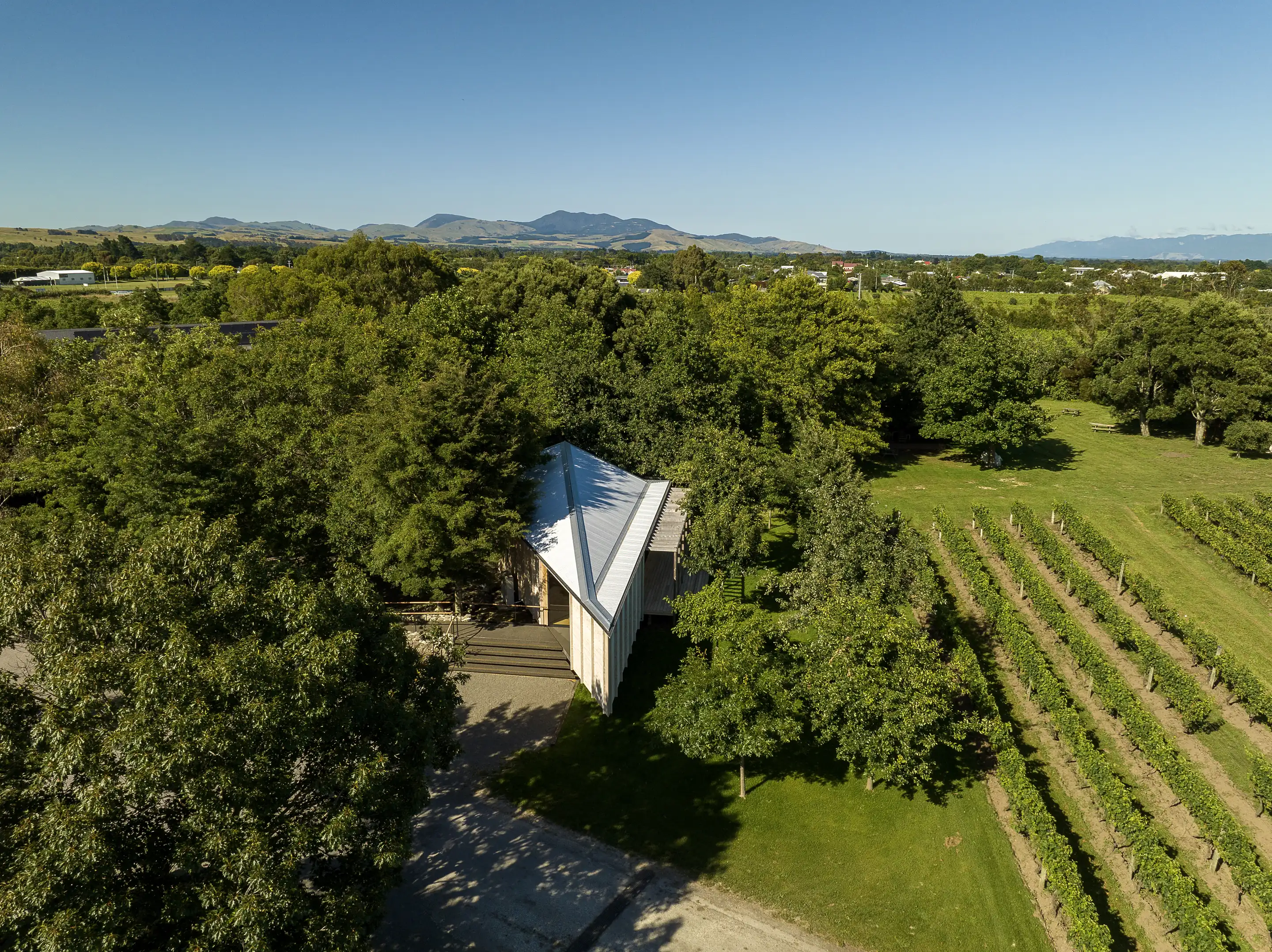
Clive Paton bought 4.9 hectares of stony sheep paddock at the edge of Martinborough village in 1980 and planted Pinot Noir on it. His sister Alison bought the block next door, and in 1986 Phyll Pattie, who had been making wine in Marlborough, bought into the business. The first vintage, in 1984, was Pinot Noir blended with other reds; the first straight Ata Rangi Pinot Noir came a year later. The name is Māori, and the estate gives it as dawn sky, or new beginning.
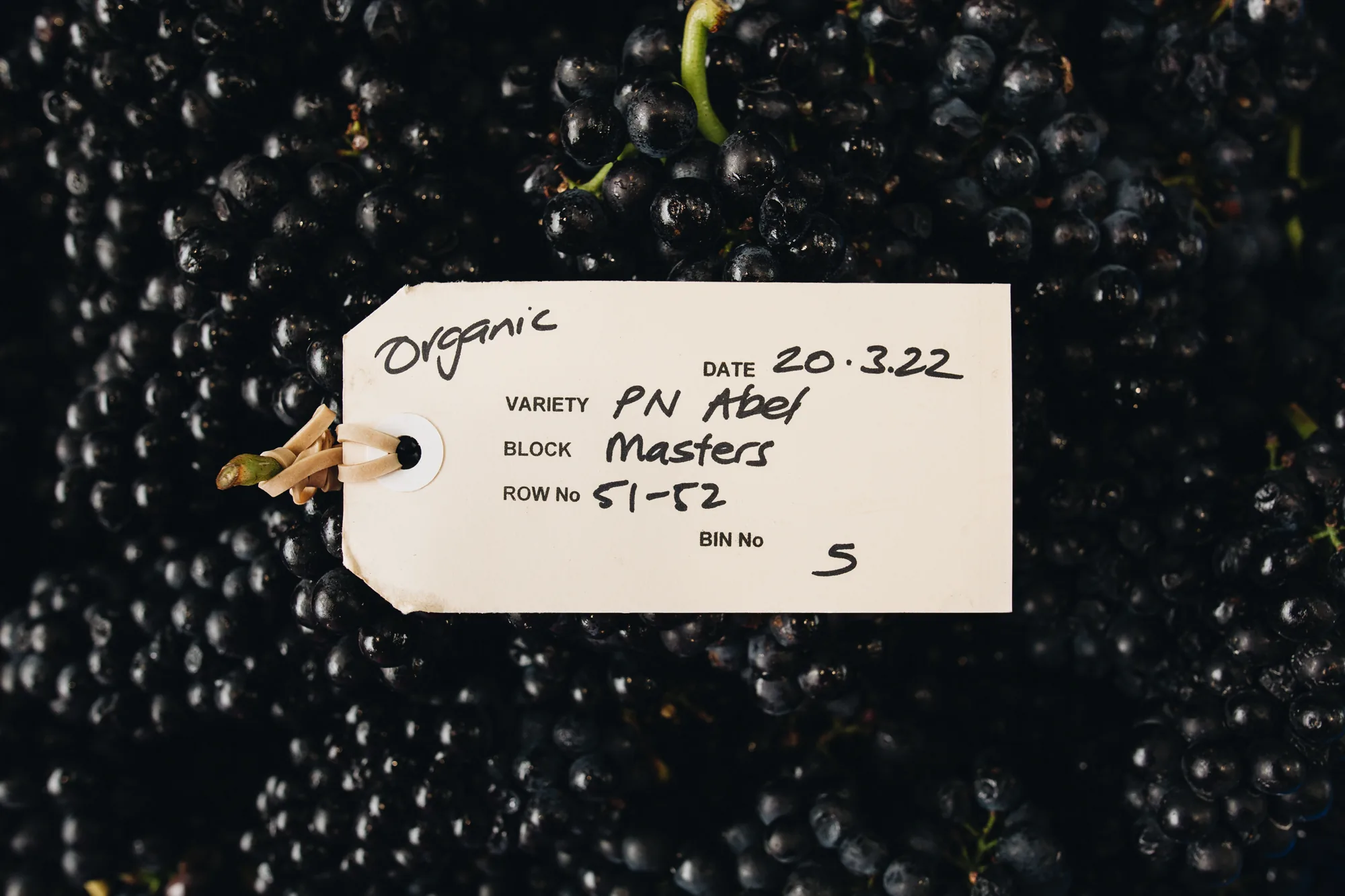
The vines that made the estate famous began at Auckland airport. In the mid-1970s a customs officer, Malcolm Abel, confiscated some Pinot Noir canes that a traveller had brought in from one of Burgundy’s finest estates. He understood what they were, sent them to the state viticulture station at Te Kauwhata, waited for the first cuttings, and planted a two-acre vineyard in West Auckland. Clive worked vintages there. Abel died unexpectedly in 1983 and his vineyard was lost to urban sprawl, but Ata Rangi had the cuttings. It became the mother block for what is now called the Abel clone, planted across New Zealand.
Martinborough is at the bottom of the North Island and is its driest region. The vines stand on the Martinborough Terrace, a shallow skin of silt loam over deep alluvial gravels, and spring is often cool and windy, which cuts the fruit set and keeps crops naturally small. Clive remembers the agricultural reps who arrived once word got round that grapes were being grown here. One pulled out a spray schedule written for Auckland and Gisborne and told him it applied here too, in a far drier place.
The home vineyards reached full organic status in 2014, the McCrone vineyard the same year, Kotinga in 2018 and the Masters vineyard in 2020. The estate farms about 32 hectares across 14 vineyards and says the last few are still in conversion, which the certificate reflects. It names the estate Pinot Noir, the three single-vineyard Pinot Noirs and the Masters Chardonnay. Crimson, the Pinot Noir from younger vines, and the rest of the range are not on it.
“Organic farming was inevitable, for us.”
Why it’s remarkable
Free Bacchus Verification
BioGro licence · named Pinot Noirs and Masters Chardonnay only
Certified1
- BioGro licence 5325, valid to 28 February 2027
This page covers
The estate Pinot Noir, the Kotinga, McCrone and Masters Pinot Noirs and the Masters Chardonnay, which the licence names.
Not covered1
- Crimson and the rest of the range, not on the certificate
If you’re buying
Cheat sheet
Save it to your phone. Everything you need to recognise this producer, and three things worth saying about it, at a glance in a shop or across a table.