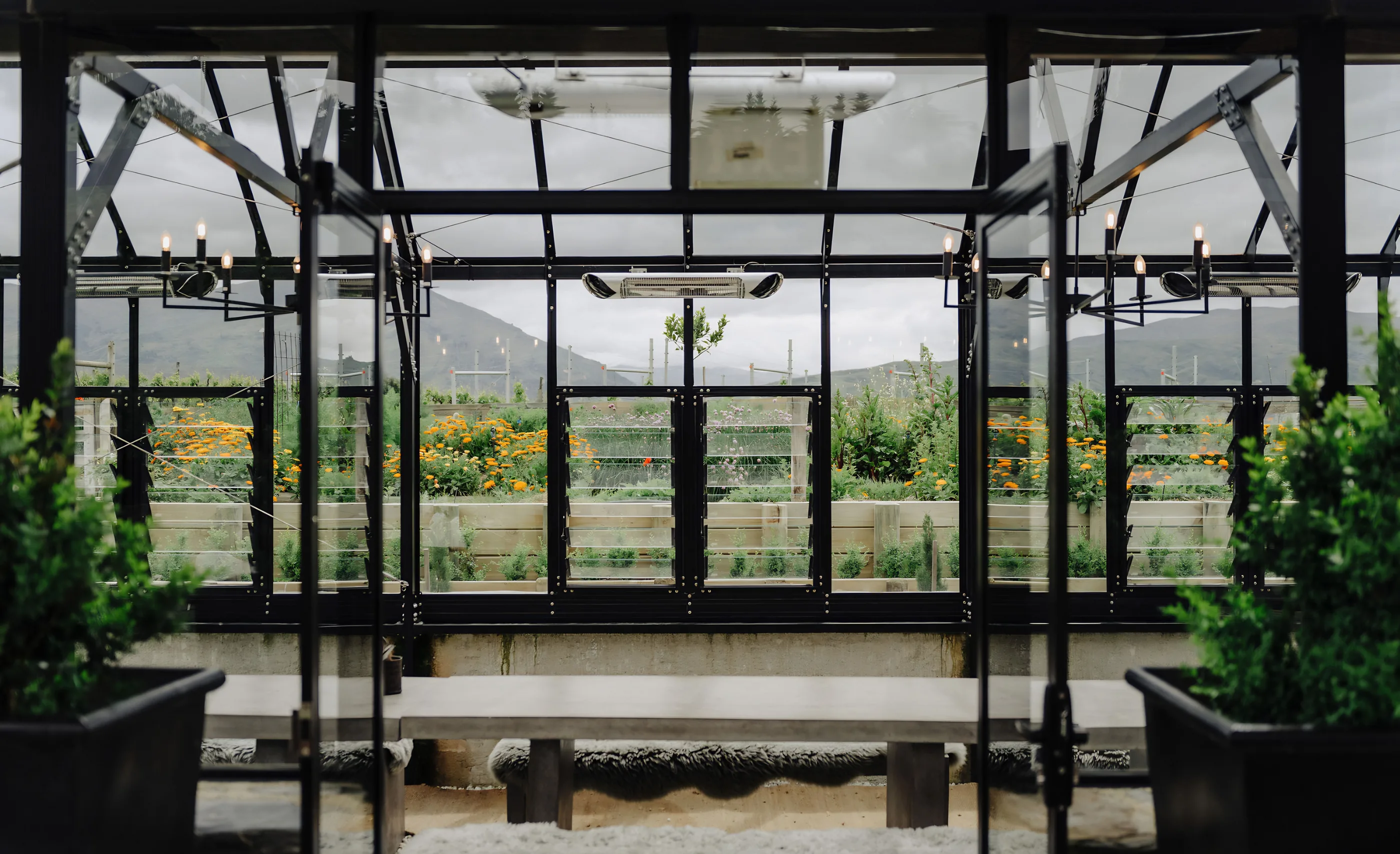
Carrick Winery
The Free Bacchus Story
Steve Green and Barbara Robertson-Green planted their first vines at Bannockburn in 1994, on a rabbit-infested block beside Lake Dunstan before the lake had even been filled. Theirs was the first vineyard on Cairnmuir Road, which is lined with them now. The first wines under the Carrick label came out in 2000, and the winery and restaurant were finished in 2002.
Central Otago is the world’s southernmost wine region and the only one in New Zealand far enough from the sea to have a continental climate: hot dry days, cold nights, and a short season in which a bad spring can cost the vintage. Carrick’s 23.5 hectares follow a bend of the Kawarau River, on glacially formed sandy soils with little organic matter and little capacity to hold water, and every vine is within 700 metres of the winery. Pinot Noir is more than seventy per cent of what they make.
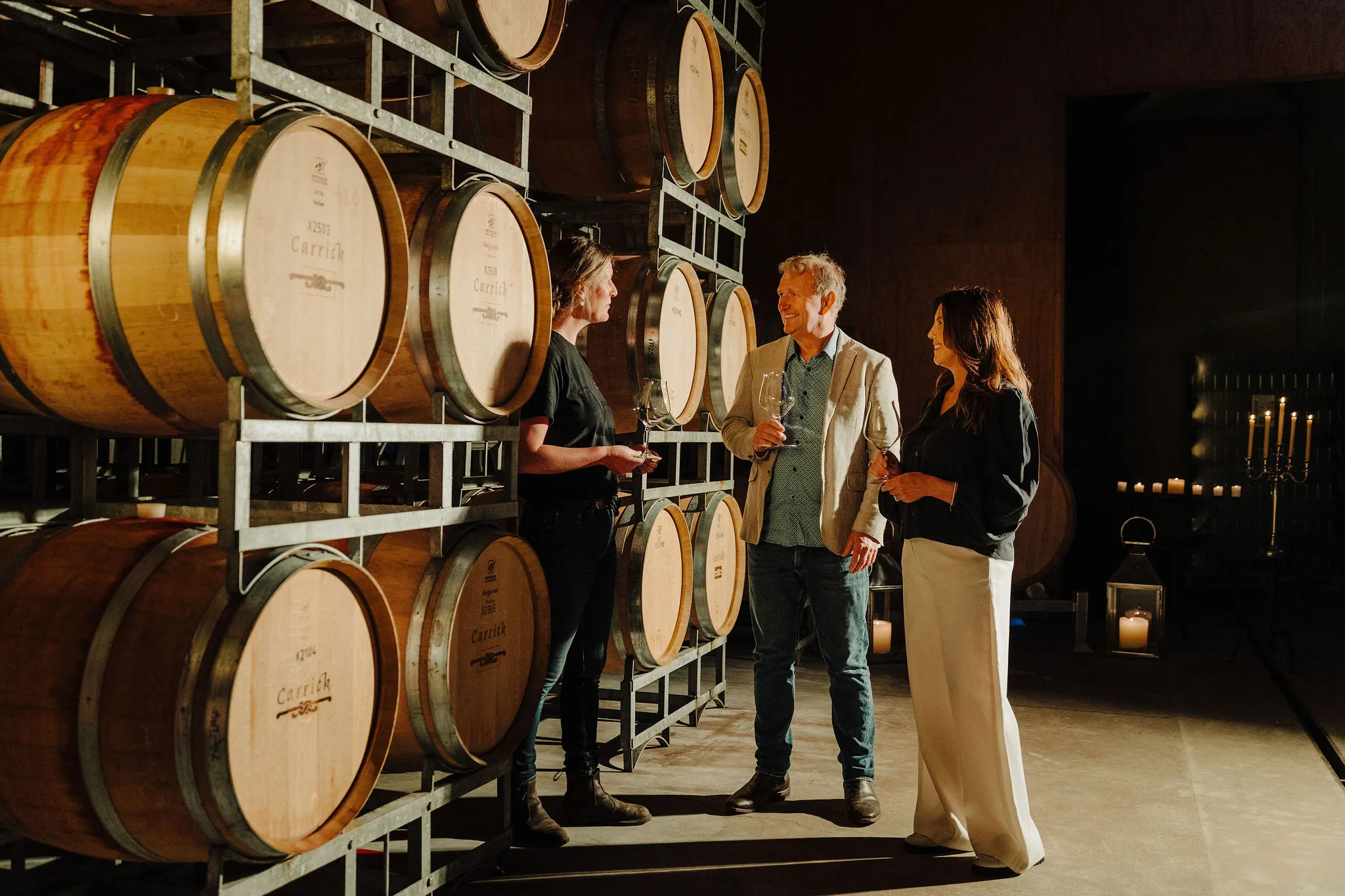
The conversion to organic farming began in 2008. Rosie Menzies, winemaker in 2020, gave the reasons: the vineyard is surrounded by water, and the owners lived on the property. For years the certification was not on the labels, because, she said, organic once seemed to signal lesser quality. The founder remembers the change as the thing that altered how they farmed and how they thought about what they made.
The Greens sold in 2016, and in 2021 Tony and Ali Cleland, dairy farmers from northern Southland, bought the winery and moved onto the property. The flagship is Excelsior Pinot Noir, named after a coal seam mined at Bannockburn in the gold-rush days, and made by careful selection and long ageing.
“The soils here are really poor, so building organic matter is really important”
Why it’s remarkable
Free Bacchus Verification
BioGro licence
Certified1
- BioGro licence 5056, Carrick Winery 2021 Ltd, valid to 28 February 2027
Cheat sheet
Save it to your phone. Everything you need to recognise this producer, and three things worth saying about it, at a glance in a shop or across a table.