Skip to content
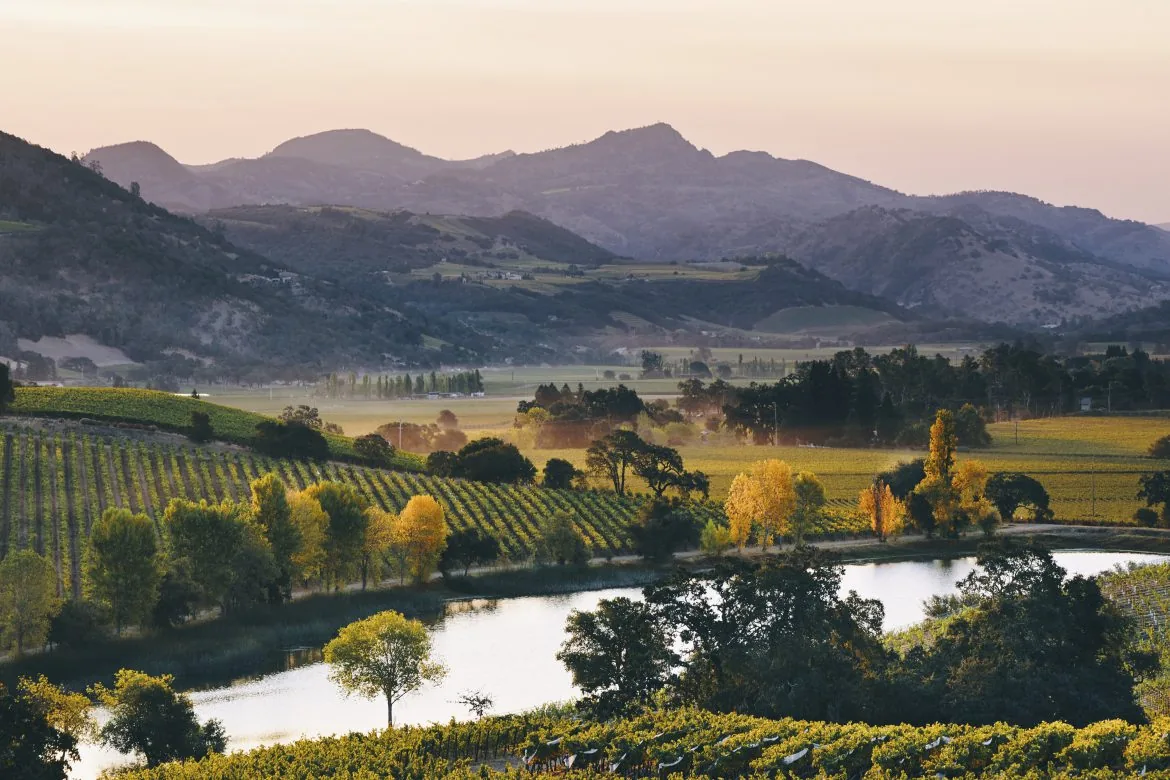
Vine rows on a hillside above a stretch of water, with golden-leaved trees, flat farmland and hazy mountains at dusk
Rutherford, Napa Valley, California, United StatesUnited StatesBordeaux-variety red

Quintessa

kwin-TESS-uh · Rutherford is RUTH-er-ford
Gold TierTypically $200+
Last verified · August 2026

Around 110 acres of Quintessa are deliberately not planted. The property runs to some two hundred and eighty acres in Rutherford and only about a hundred and seventy carry vines; the rest is woodland, a lake and pasture. At Napa land values that is an expensive decision, renewed every year.

It is also what makes the biodynamic system function. Compost, cover crops and habitat all need somewhere to happen, and an estate planted wall to wall has nowhere to put them. The unplanted land is not a landscaping choice or a view from the tasting room — it is the working part of the farm that the vines depend on.

Agustin and Valeria Huneeus bought the land unplanted in 1989 and farmed it organically from the start, biodynamically from 1996. Certification came decades after the practice, and published accounts differ on which year each certificate was issued, so we print no year.
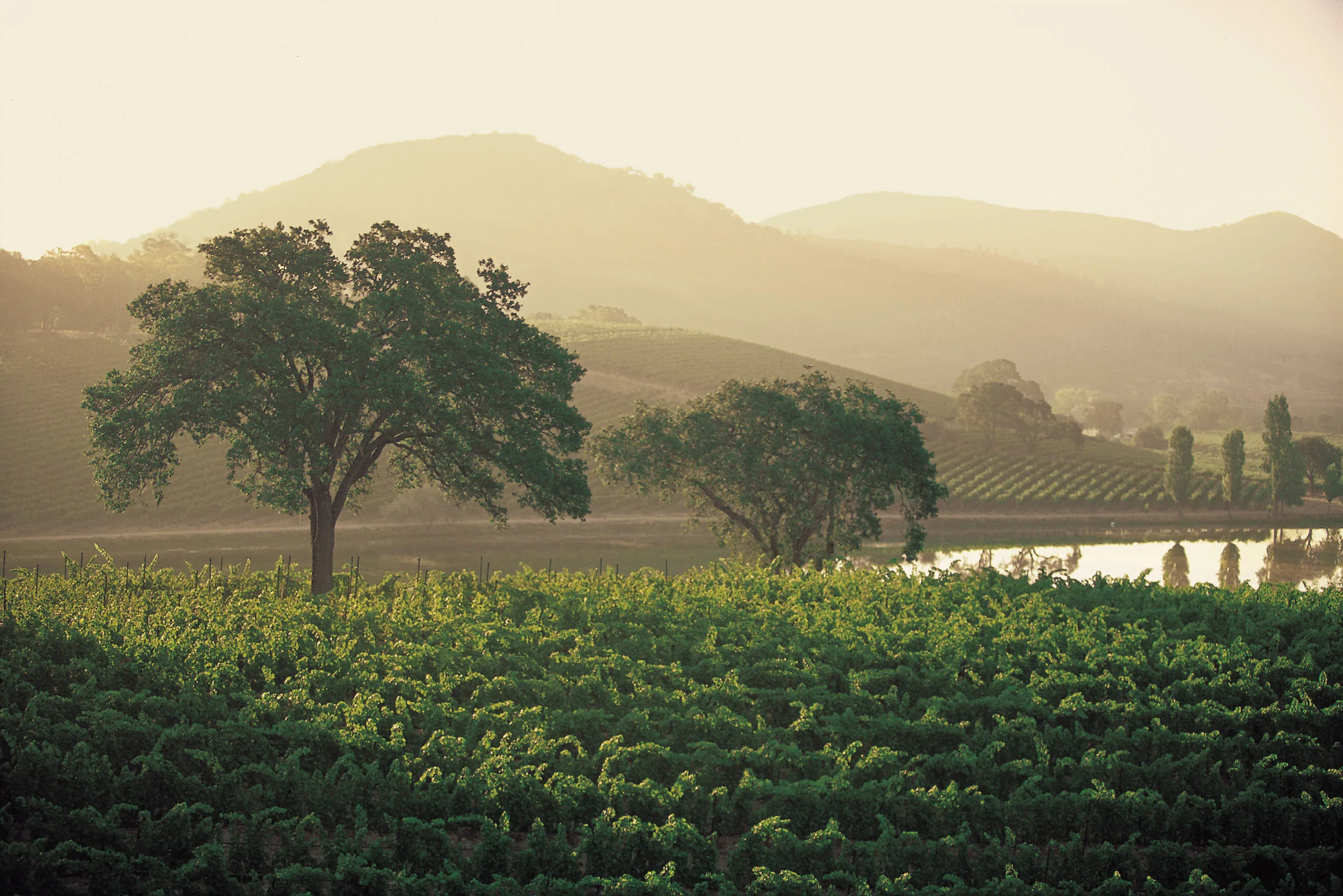
Rows of green vines in the foreground, two broad-crowned trees and a pond, with misty hills behind in soft yellow light

There is one wine. Everything is either selected into the single estate bottling or sold off, with no second label to absorb the fruit that did not make it.

Most estates this size keep one as an escape valve. Removing it means every decision taken in the vineyard has exactly one place to end up, which is a far more exposed way to farm than the price tag suggests.

“I think Napa is well-suited to biodynamic practices”
Rebekah WineburgViticulturist and winemaker, 2024 · Wine Business Monthly

Why it’s remarkable

110 acres un­planted
on Napa land, deliberately left as woodland, lake and pasture
The property runs to about two hundred and eighty acres in Rutherford and only around a hundred and seventy carry vines. At Napa land values the rest is an expensive decision renewed every year — and it is what makes the biodynamic system function, because compost, cover crops and habitat all need somewhere to happen. An estate planted wall to wall has nowhere to put them.
1989, then 1996
organic from the year they bought it, biodynamic seven years later
Agustin and Valeria Huneeus bought the land unplanted in 1989 and it has been farmed organically from the start, biodynamically from 1996. Certification came decades after the practice, and published accounts differ on exactly which year each certificate was issued.
One wine
a single estate bottling, and no second label to hide behind
Everything is either selected into the one wine or sold off. Most estates of this size run a second label as an escape valve for fruit that did not make the grade; removing it means every decision in the vineyard has only one place to go.
$225
and the certification is the part that distinguishes it
This sits at the upper end of Napa pricing alongside several dozen estates asking similar money. What separates it from most of them is not the score or the label but the fact that the farming has been independently audited.
Independently certified, and checked against the issuing body’s own register. Not a compromise on quality — see how we verify.

Free Bacchus Verification

Track A
Formal third-party certification, confirmed against the issuing body’s own register.

CCOF Organic · Demeter Biodynamic

Certified2
  • CCOF Organic (2020)
  • Demeter Biodynamic (2021)
Re-verified annually against the issuing body’s register. How re-verification works
The producer’s own sitequintessa.com
Producers don’t pay to be here. There is no fee to be listed and no way to buy a higher tier. If the evidence doesn’t hold, the bottle isn’t here.
Flagship
Quintessa Rutherford Estate Red

If you’re buying

Price
Around US$225 for the flagship bottling. Approximate, and it moves with vintage and market.
Drinking now
Rewards eight to fifteen years. Partially allocated, so it is easier to find on release than later.
Serving
Serve at 16–18°C. Decant a young bottle for an hour or two.
Availability
Generally obtainable through specialist retailers.
Tastes like
Napa Bordeaux blend with structure rather than sweetness — cassis, cedar and firm tannin, built to age rather than to impress young.
Pairs with
Roast beef, grilled lamb, or a hard aged cheese.
Price bands are approximate and move with vintage, market and region. They are a guide, not a quotation.

Cheat sheet

Save it to your phone. Everything you need to recognise this producer, and three things worth saying about it, at a glance in a shop or across a table.

32 verified producers in United States →

From the Journal

← The BotanistThe Verification StandardSpottswoode Estate →

More Verified Houses · United States

Where to go next

Three more from the cellar, chosen by what is in the glass rather than where it is from.

Château PalmerRed · France PolizianoRed · Italy Burn CottageRed · New Zealand
↑