
Free Bacchus Journal
They fixed the water. Not the wine.
We read 107 published wine, bar and minibar lists from 42 hotels in five of the world’s most sustainability-focused hotel groups: 11,789 bottles in all. Fewer than one in twenty came from verified clean farming. The interesting part is why.
Check into one of the greenest hotels in the world and the first thing you’ll probably notice is the water. It arrives in heavy reusable glass, often bottled on the property, with a small card explaining how many plastic bottles the hotel no longer buys. It’s a genuine change, it’s visible, and it’s the hotel telling you something true about itself.
Now open the minibar, or turn to the wine list at dinner. Nothing on it tells you how the grapes were farmed. And as it turns out, the overwhelming majority of it comes from producers with no organic or biodynamic certificate we could find anywhere.
We wanted to know how wide that gap really is, so we measured it.
The water arrives in reusable glass, bottled on site. The wine beside it says nothing at all about how it was grown.
What we looked at
We chose five hotel groups for the depth of their published sustainability commitments, the reporting behind them and the reputation they’ve built on it. This is deliberately not a sample of the industry’s laggards. If the best groups land somewhere, the rest of the industry is unlikely to be ahead of them.
On 14 and 15 October 2026 we read 107 published wine, bar and minibar lists from 42 of their hotels, recording every producer and every bottle as printed. Each producer was then matched against the Free Bacchus producer database, and every match was checked by hand, because wine is full of different houses sharing a family name. Anything not in our database was checked against the public organic registers in Europe, the United States and New Zealand.
We’re not naming the groups, and that’s a choice rather than a courtesy. The point of this exercise isn’t which group did best. It’s that the groups doing the most land, collectively, in roughly the same place.

107 published lists, 42 hotels, 11,789 bottles
Of bottles verified:
393 of 11,789
One mark for every thousand bottles on the lists.
The numbers
Of the 11,789 bottles, 393 were verified: 3.3%. Counting wine, Champagne and sake alone, the share rises to 5.8%. Between the five groups it ranged from 1.3% to 4.6%.
A bottle only counted as verified when three things were true at once. The producer is in our database with third-party organic or biodynamic certification, or is an admitted case where we’ve documented clean farming without a certificate. The producer clears our lowest threshold. And the bottle on the list actually sits inside the certificate: the right cuvée, from a vintage after certification began. Sustainability programmes, “organic practices” and vineyards still in conversion didn’t count.
Wine lists did noticeably better than bars. The spirits shelves were dominated by multinational brands, and almost none of them carries an organic certificate.
One honest note on the higher figure. A further layer of estates on these lists, especially Burgundy and Loire domaines, hold organic certificates on the European register that our database hasn’t yet read. Counting them roughly doubles the share, to 7.0%. We’ve reported them separately because they’re a list of producers we need to assess, not a result we’ve verified, and we’d rather show you the gap in our own work than fold it into a flattering number.
Even counting every certificate we could find on a public register, more than nine bottles in ten carried no evidence of clean farming.
Where the sustainability effort actually went
When we read what these groups say publicly about drinks, the pattern was immediate. Almost every claim was about water and plastic.
Several groups now bottle or filter their own water on site. One has built water-bottling plants at several of its hotels and plans more. Another has partnered with a refillable aluminium water brand. Glass carafes, filtered taps and water fountains for staff appear again and again. One group reports that its coffee, tea, cocoa and sugar are now entirely verified as responsibly sourced.
All of that is real work, and none of it should be waved away. But it shows where the effort has gone. The container has been transformed. Hot drinks and food ingredients have been brought inside verified sourcing. The wine and spirits, the one part of the drinks offer whose raw material is a farmed crop that conventional growers spray season after season, have been left almost entirely outside it.
We don’t read that as indifference. We read it as the rational outcome of how hotels are organised, and that’s worth understanding properly.
Why the bar gets left out
Five structural reasons came through, and none of them involves anybody behaving badly.
First, water is measurable and wine isn’t. A hotel can count the plastic bottles it no longer buys and put the number in its report. Nothing comparable exists for a wine list. There’s no simple unit for how cleanly the grapes were grown, so it doesn’t appear in sustainability reporting, and what isn’t reported tends not to be managed.
Second, the people are in different rooms. Sustainability usually sits with operations: energy, water, waste, the building. The wine list belongs to food and beverage, built by sommeliers and bar teams judged on quality, guest experience and consistency. A hotel’s sustainability strategy can be excellent and simply never reach the cellar.
Third, hotel certifications mostly measure the building. The environmental schemes hotels pursue are built around energy, water, materials and waste. Where they reach food and drink at all, they ask lightly: Green Key, one of the largest, asks each certified hotel to buy and register at least five types of food or drink product that are organic, eco-labelled, fair-trade or local. Coffee, eggs and honey can meet that. Nothing in it asks what’s on the wine list.
Fourth, back bars are usually built through distribution. Hotel spirits shelves, and a good share of wine lists, tend to be assembled from a distributor’s portfolio, weighted toward the large brands that dominate the trade. A sommelier can hunt down small certified growers for the wine list; a bar team serving the same cocktails across many properties has far less room to.
Fifth, and most important, nobody gives them a way to check. A buyer who genuinely wants a clean list has to verify each producer, each cuvée and each vintage against certification bodies in several countries. No hotel keeps a research department for that, which is precisely why the next finding matters.
Water can be counted in a sustainability report. Nobody has given hotels a unit for how cleanly a vineyard was farmed.
The menus’ own labels
Several of the lists we read had already tried. They printed their own markers: a small symbol for organic, a note reading “certified organic wine”, a line describing a bottle as biodynamic. That’s a hotel doing exactly what we’d hope, telling guests how the wine was farmed.
Of 28 bottles carrying those labels, 12 could be confirmed on a certification register or in our database. The rest couldn’t. In one case a New Zealand Sauvignon Blanc described as biodynamic turned out to be certified organic but not biodynamic. In others the producer held only a certificate for processing wine, not for farming grapes, or simply didn’t appear on any register we could find.
We don’t think those menus were trying to mislead anybody. We think they were trying to inform, using whatever an importer’s sheet or a producer’s website said, with no way to check it. That’s the gap in its plainest form: even the hotels that want to tell guests the truth can’t reliably find it.
Three ways a good producer becomes the wrong bottle
There was a subtler finding too, and it’s useful to anyone who reads a wine list. A further 1.7% of bottles came from producers we do verify, but the bottle on the list wasn’t the certified one. It happened in three predictable ways.
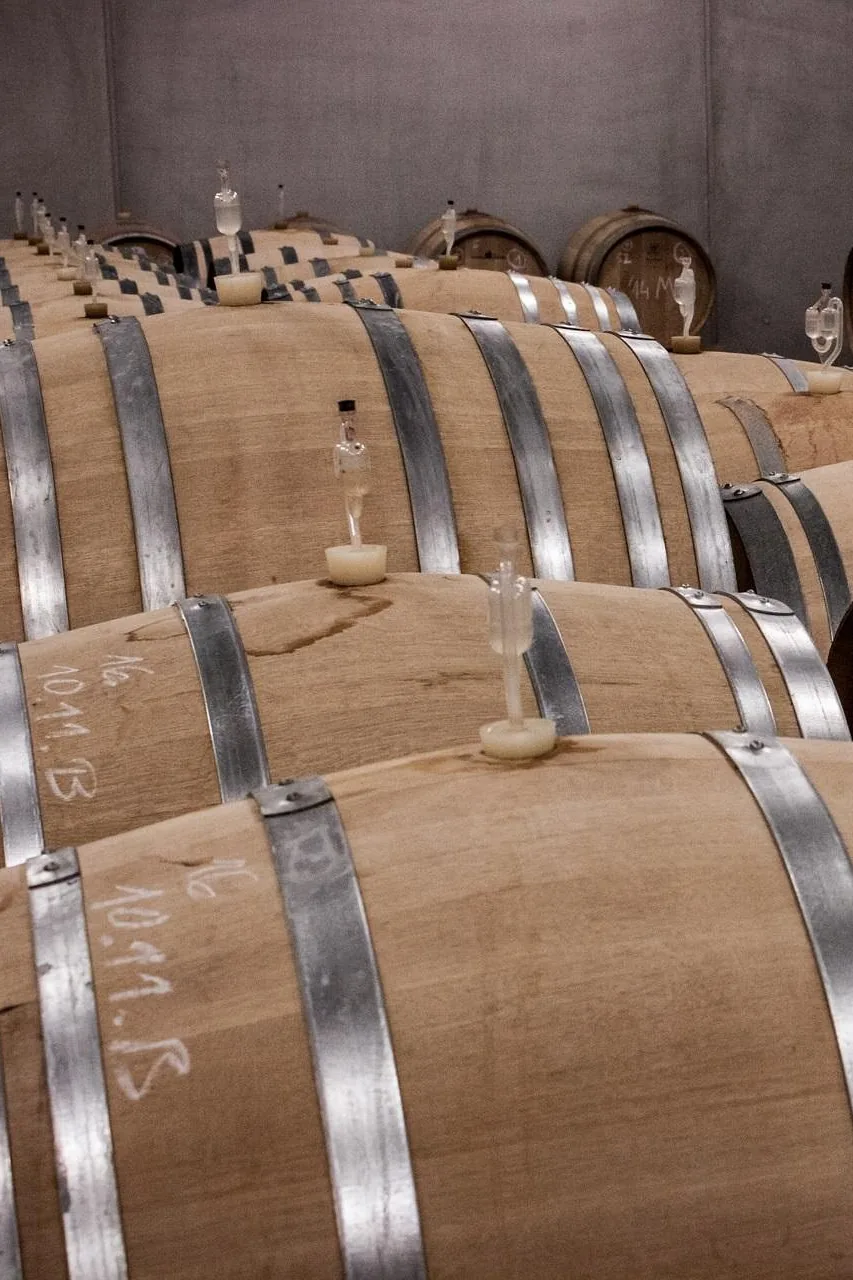
Vintage. A certified estate’s older wines can predate its certificate. Several celebrated Bordeaux and Loire estates appeared on these lists in vintages from before their certification. Château Palmer, certified from the 2018 vintage, was poured in vintages from 1996 to 2017: excellent wines, but not certified ones.
Range. Some producers certify particular bottlings rather than everything they make. Bruichladdich’s certificate covers its organic bottlings, but the lists carried Classic Laddie, Port Charlotte and Octomore. Telmont’s covers named cuvées, but the lists carried its Réserve Brut and Rosé.
Merchant label. In Burgundy especially, a family’s certified domaine and its négociant house of the same name are different businesses. Maison Leroy is not Domaine Leroy. Olivier Leflaive is not Domaine Leflaive. One farms its own vines to a certificate; the other buys fruit.
None of this is visible from a list unless somebody has checked, which is the whole argument for checking.
What would change it
The encouraging thing in this data is that it doesn’t describe resistance. These groups have already shown they’ll transform a category when they can measure it and someone owns it. They did it with water. Several did it with coffee and tea. Individual properties are already working on wine: one runs a programme championing small local producers, and some of the strongest bottles in our entire count sat on a single hotel’s master wine list.
What’s missing is the same thing that was missing for water before somebody started counting bottles: a measure, and someone whose job it is. Give a beverage team a verified list to buy from, and the bottles on the list stop needing a research department behind them. That’s a piece of infrastructure the industry hasn’t built yet, and it’s the piece we exist to build.
Hotels already transformed water once someone could count it. Wine is waiting for the same thing.
The habit
Next time you’re in a hotel that takes its sustainability seriously, and plenty do, ask the sommelier one question: which wines on the list are certified organic or biodynamic, and for which vintages?
A good sommelier will usually enjoy the question, because almost nobody asks it. If the answer comes quickly and specifically, you’ve found a list somebody has checked. If it doesn’t, you’ve learned something too, and the more often guests ask, the sooner that question finds its way into the next sustainability report.
Ask which wines are certified, and for which vintages. The question is how wine lists start getting checked.
How we counted
Five hotel groups were chosen for the strength of their published sustainability commitments. We read 107 published wine, bar and minibar lists from 42 of their 65 hotels on 14 and 15 October 2026; no list carried a printed date. In scope were wine, Champagne, sake and spirits; beer, water and non-alcoholic drinks were left out. Cocktail menus count each named brand once per drink.
A bottle is verified when its producer holds third-party organic or biodynamic certification in the Free Bacchus database (or is an admitted case of documented clean farming without one), clears our lowest tier, Bronze, and the bottle falls within the certificate’s scope and dates. The Cellar lists producers at Silver and above, so it shows a narrower set than this count. Producers not in the database were checked against EU TRACES, the USDA Organic Integrity Database (its export of 1 October 2026) and the BioGro register; those register matches are reported separately and not counted as verified.
Limits: several groups’ flagship restaurants publish no list online, and those are often a group’s strongest cellars, so the figures may understate them. One group’s sample was small. Spirits brands outside the EU and US registers, and producers on Swiss and English national registers, could not be checked.
The receipt
What to take from this
- If you remember one thing: five of the world’s greenest hotel groups have transformed their water, but fewer than one bottle in twenty on their drinks lists comes from verified clean farming.
- We counted. 107 published lists, 42 hotels, 11,789 bottles, read in October 2026. 3.3% verified; 5.8% for wine, Champagne and sake alone.
- We showed our own gap too. Counting certificates we haven’t verified yet roughly doubles the figure, to 7.0%. Still more than nine bottles in ten with no evidence of clean farming.
- The effort went into the container. Water bottled on site, glass carafes, less plastic. Real work, but the farmed crop in the glass was left outside it.
- Five structural reasons. Water is measurable and wine isn’t; sustainability and wine teams sit apart; hotel certifications mostly measure the building; back bars come through distribution; and nobody can easily check.
- Even good intentions misfire. Of 28 bottles the hotels labelled organic or biodynamic themselves, only 12 checked out.
- Good producers, wrong bottle. Older vintages from before certification, uncertified cuvées, and merchant labels that share a name with a certified domaine.
- So what: hotels changed water once somebody could count it. Wine needs the same thing: a measure, and a list someone has already checked.
Where the claims come from6
-
Free Bacchus — The Verification Standard: how a producer is verified, Track A and Track B, and the tiers
freebacchus.com ↗ -
Free Bacchus — The Cellar: every producer listed at Silver and above
freebacchus.com ↗ -
European Commission — TRACES directory of certified organic operators
webgate.ec.europa.eu ↗ -
USDA Agricultural Marketing Service — Organic Integrity Database (monthly export of 1 October 2026)
organic.ams.usda.gov ↗ -
BioGro New Zealand — Certified products and operators
biogroportal.powerappsportals.com ↗ -
Green Key — Green Key and the Sustainable Development Goals: SDG 2 (criterion 8.1: at least five types of organic, eco-labelled, fair-trade or local food or drink products)
greenkey.global ↗