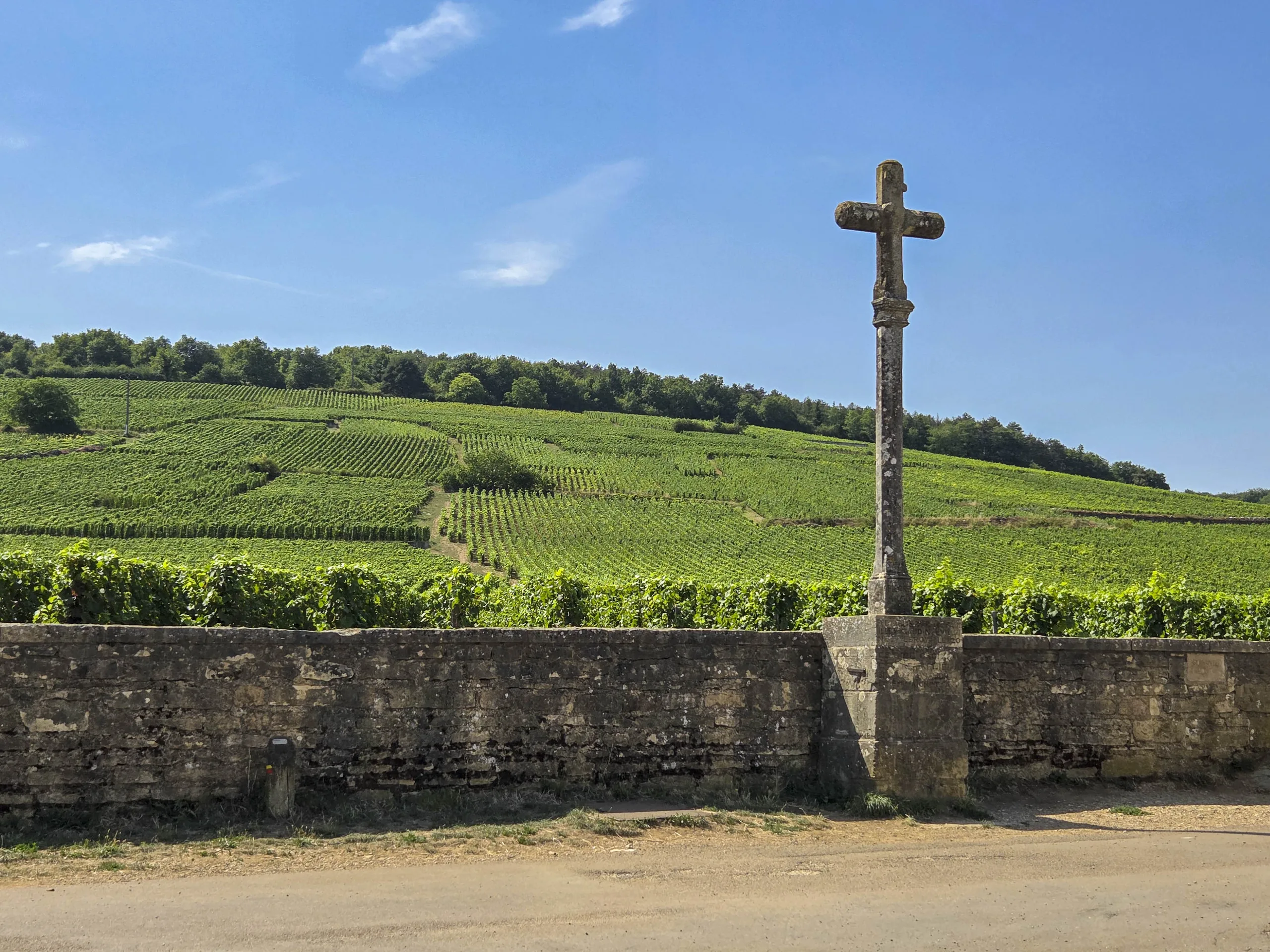
Domaine de la Romanée-Conti
The Free Bacchus Story
The most famous vineyard on earth spent most of its life called Cros des Cloux — roughly, the hollow of the walled plots — and that is the name in the sale records as late as 1584. “Romanée” first appears in writing in 1651, and nobody can say what it refers to. The tourist office in Beaune, which has every reason to romance it, says plainly that we do not really know. The Roman road people mention was supposed to be Roman only much later.
What the record does show is a piece of salesmanship. From 1730 the owner, a Croonembourg, poured money into the soil of a vine that sat in a dip, then took the wine to the court at Versailles; within a few years, the historian Thomas Labbé writes, the parcel known as the hollow of the walled plots had become the Romanée. Burgundy’s greatest name began as a renovation and a sales trip.
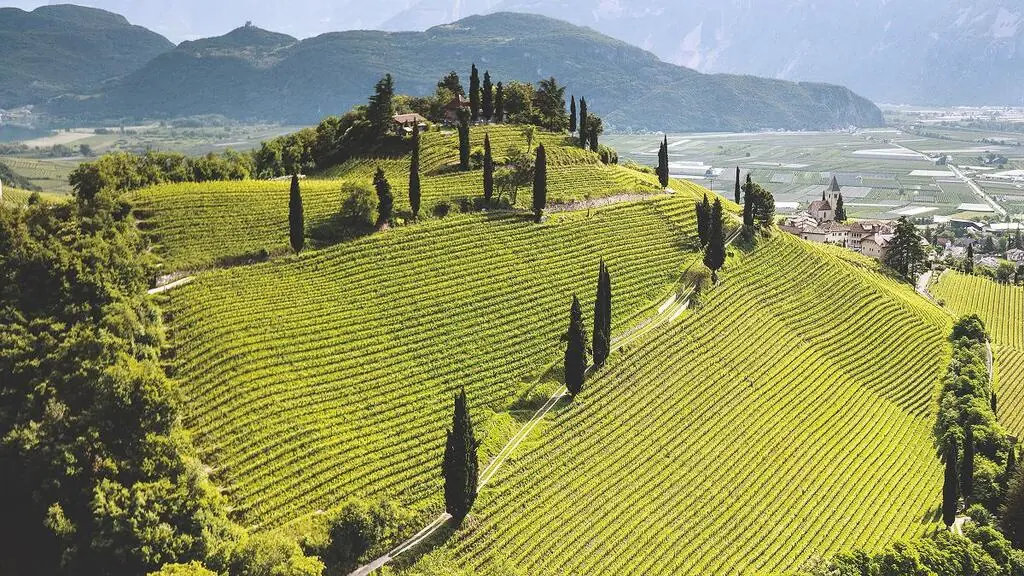
The farming is where a reader can check us, and it is less mystical than the bottle’s reputation suggests. During the biodynamic trials the domaine bought a horse, Mickey, to plough some of the parcels, because they were worried that tractors were compacting the soil; they then had a much lighter tractor built to their own specification. They told Decanter they had never used herbicides, and that they had stopped using fertilisers. Farming without systemic sprays has a cost, and Aubert de Villaine describes it plainly. The vineyard takes mildew and rot, which thins the crop by itself and concentrates what survives, so long as the harvest is sorted hard afterwards. What the registers show is narrower and firmer: the French state organic register carries the estate under Ecocert France, engaged on 17 December 2008, covering both the growing and the winemaking, and Biodyvin lists the domaine as a member from 2016. De Villaine says they were farming organically from 1985 and that biodynamic trials ran from 1990; no register speaks to either date.
The prince arrives on 18 July 1760. Louis-François de Bourbon, prince of the blood, bought the vineyard through a go-between, the contract reading “for him or his friend to be chosen”. He paid around 8,000 livres, about ten times what the Clos de Bèze had fetched, and then did the thing that makes the story: he never sold a bottle. The wine went to his own table. The tale of a bidding war with Madame de Pompadour, which you will hear everywhere, was cooked up locally; she had nothing to do with the purchase.
The name he gave it is younger than he is. The estate was confiscated in the Revolution and knocked down to the highest bidder on Christmas Eve 1794 — and it is in February of that year, in the valuation paperwork of the confiscation, that the domaine’s own timeline records the first appearance of “Romanée-Conty”. A survey of Burgundy published in 1777, while the family still held it, calls the vineyard plain La Romanée. The Contis owned it for under thirty years and it has carried their name ever since.
The rest of the cellar reads like a glossary of ordinary medieval life. La Tâche is a piece of work: to “faire une tâche” in Burgundy was to farm a vineyard for an agreed price, so the grandest bottle in the range is named after a job of work. Romanée-Saint-Vivant belonged to the priory of Saint-Vivant de Vergy, founded in 900. Échezeaux comes from the Latin for somewhere fit to build a house. Montrachet means bald hill, from a word for a scalp complaint that takes your hair off. Charlemagne really did give vines at Corton to a monastery in 775, but his name only attached to the vineyard in 1375, six centuries later, and the tale about protecting his white beard is a story, not a record.
Then the part that cost them. These vines were among the last in Burgundy on their own roots, held back from phylloxera with carbon disulphide until 1945, a vintage that made about 600 bottles. The vines were pulled after that harvest — all of them, deliberately — and the ground was left to rest for five years before anything went back into it. The replanting in 1947 was done with cuttings taken from La Tâche. No Romanée-Conti was bottled from 1946 to 1951, the first vintage of the new vineyard was 1952, and by the Guide Hachette’s account a replanted parcel gives nothing to the grand cru for some fifteen years, which puts twenty years between the decision and the wine. One bottle of that 1945 sold at auction this March for $812,500, the same bottle that made $558,000 in 2018.
“I am wary of super-terrestrial explanations for biodynamic methods”
Why it’s remarkable
Free Bacchus Verification
EU organic, Ecocert France, engaged 2008 · Biodyvin member since 2016
Certified3
- EU organic, Ecocert France (FR-BIO-01): Société Civile du Domaine de la Romanée-Conti, Vosne-Romanée, engaged 17 December 2008, recorded état ENGAGÉE on the French state register
- Growing and winemaking both covered, activities production and preparation: products “raisin de cuve” and “vins de raisin”
- Biodynamic: Biodyvin member since 2016
Also on record1
- The domaine says it never used herbicides and farmed organically from 1985; no register speaks to that
If you’re buying
Cheat sheet
Save it to your phone. Everything you need to recognise this producer, and three things worth saying about it, at a glance in a shop or across a table.