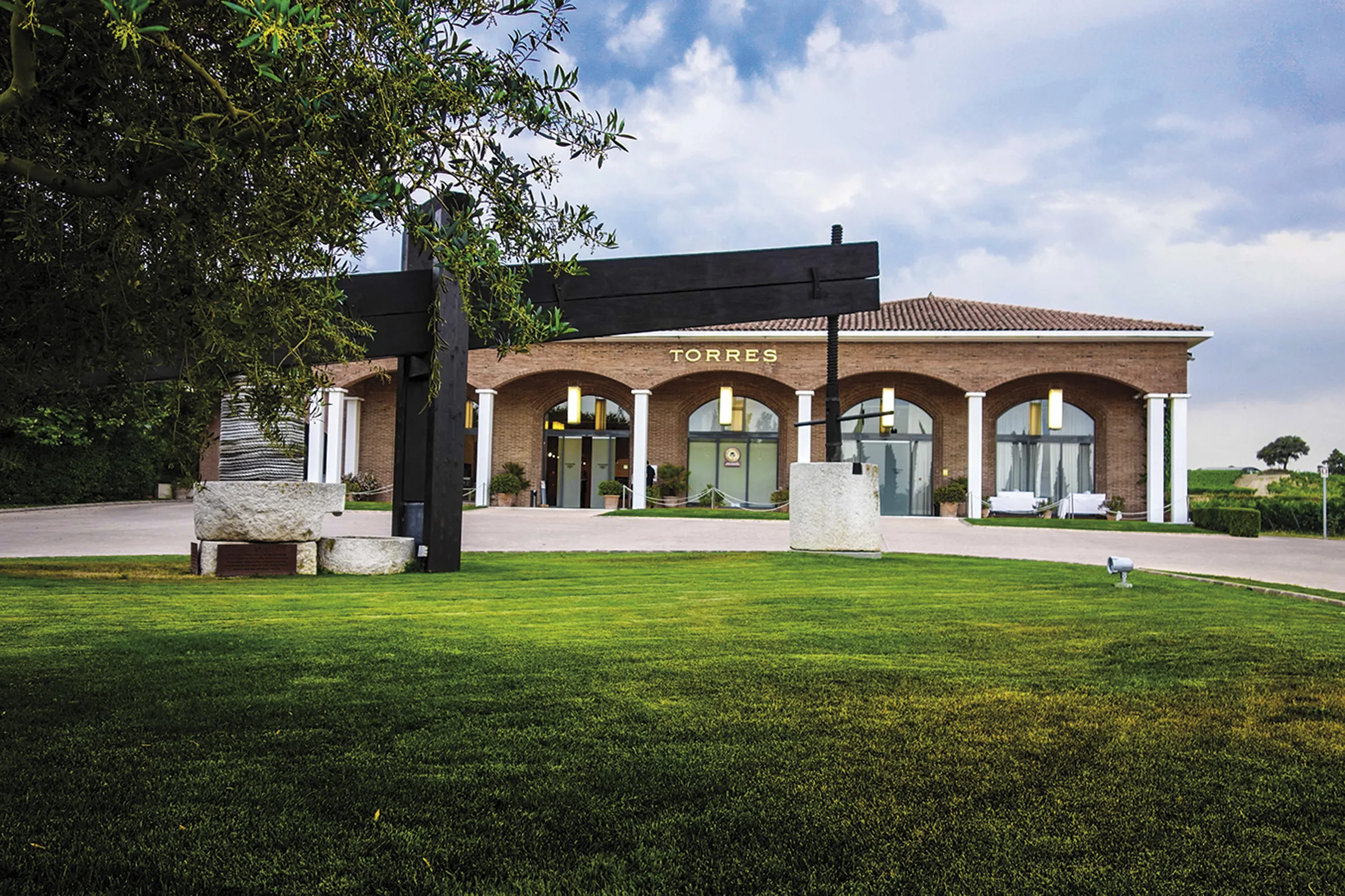
Familia Torres
The Free Bacchus Story
In 1979 Gault & Millau ran a blind tasting in Paris and called it the Wine Olympics. The 1970 Mas La Plana — the first vintage of a Penedès Cabernet that almost nobody outside Spain had heard of — finished ahead of Château Latour 1970.
That did for Spanish Cabernet roughly what the Judgment of Paris had done for Napa three years earlier. Mas La Plana was Miguel A. Torres's project and it is still the wine the house is measured by. The Latour it beat is listed on this site too, which is a useful reminder that the hierarchy those results overturned was itself only a century old.
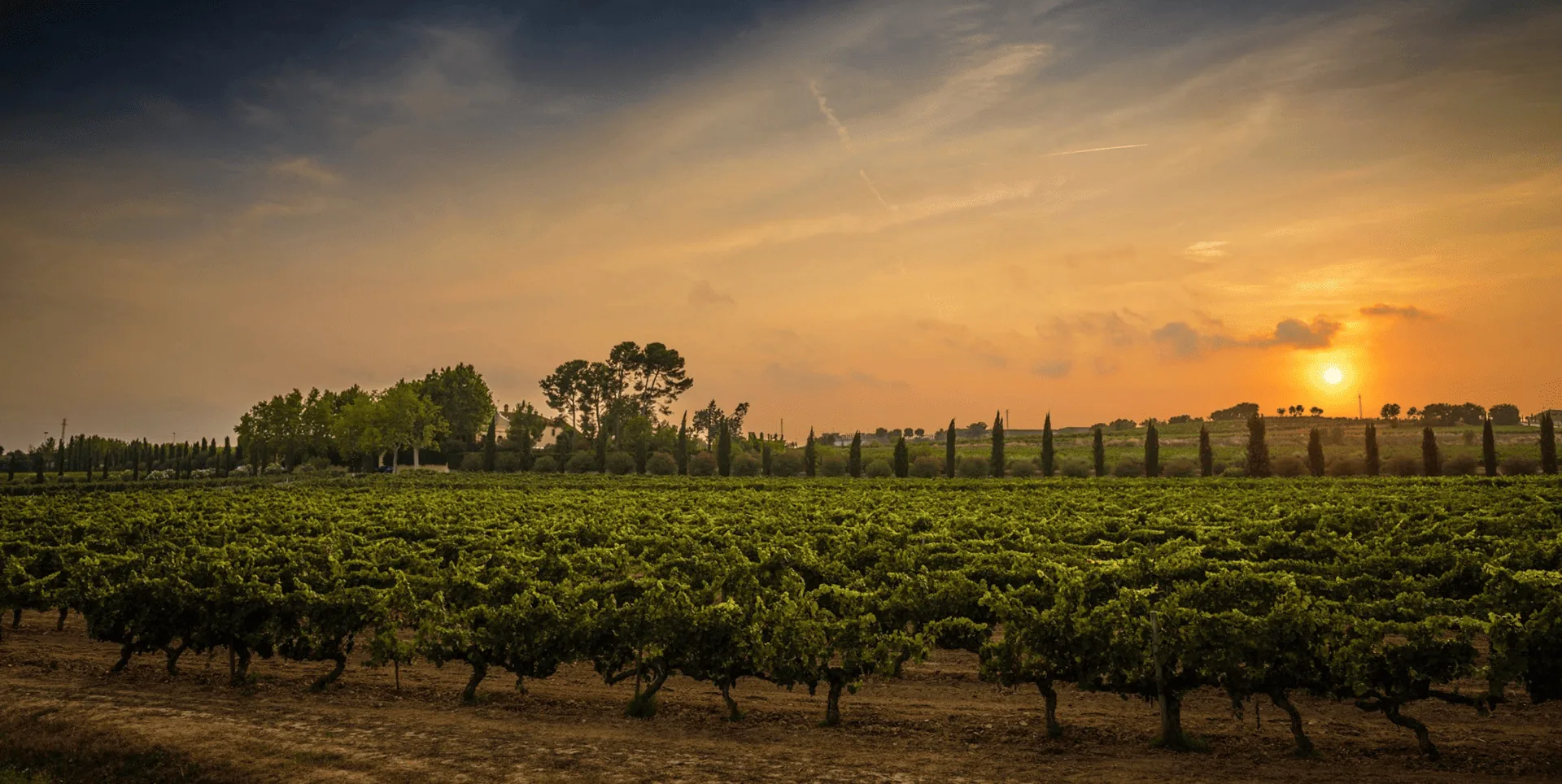
The second turn came much later and matters more. By Miguel Torres Maczassek's account the family began treating a warming climate as a production problem in 2008, well before the trade generally did, and started converting to regenerative viticulture in 2021.
Around 650 hectares, roughly half the vineyard, has moved across so far. Organic certification is held with CCPAE, the Catalan body, across holdings in Penedès, Priorat, Ribera del Duero, Rioja and Rías Baixas — which makes it a logistical undertaking rather than a single-estate decision.
Free Bacchus credits the organic certificate and does not score the regenerative programme, because a transition under way is not a certification held. That distinction costs this producer more than it would a small estate, since the scale is precisely what makes the conversion hard.
“Protecting the fertility of our soils means protecting the earth for future generations”
Why it’s remarkable
Free Bacchus Verification
CCPAE Certified Organic
Certified1
- CCPAE Certified Organic
Also on record1
- Regenerative viticulture in transition, not certified
If you’re buying
Cheat sheet
Save it to your phone. Everything you need to recognise this producer, and three things worth saying about it, at a glance in a shop or across a table.