Skip to content
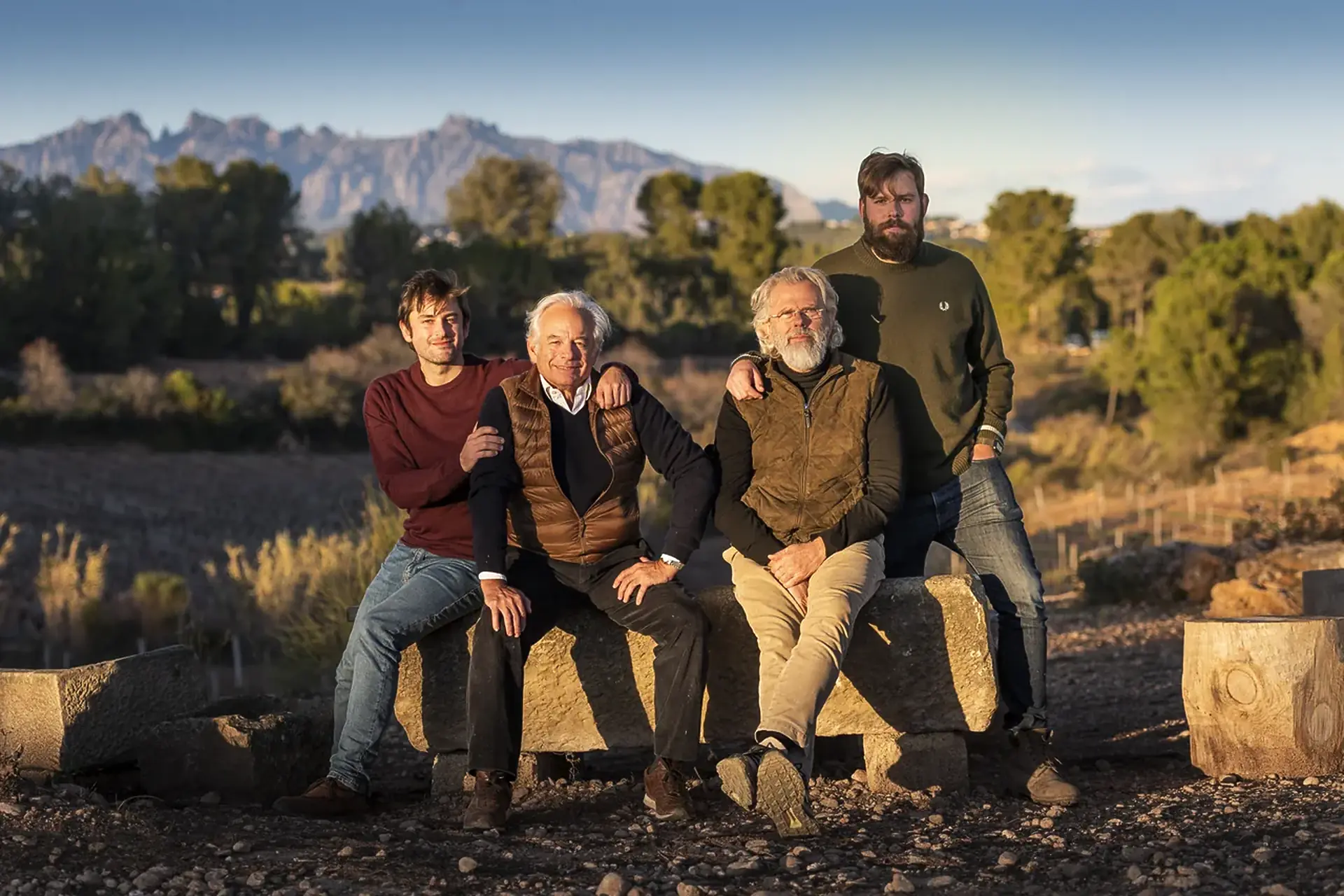
Four men sitting and standing on a stone block in dry scrubland, with a jagged mountain range behind in evening light
Sant Sadurní d'Anoia, PenedèsSpainOrganic Wine

Gramona

grah-MOH-nah · Corpinnat is kor-pee-NAHT
Silver TierTypically $200+
Last verified · October 2026

Gramona gave up the word Cava. The family has grown grapes around Sant Sadurní d'Anoia since the 1850s and has put its own name on sparkling wine since 1921. In 2019 it left the Cava appellation with eight other houses for Corpinnat, a group it had helped found two years earlier. Every Corpinnat bottle has to come from organic grapes, picked by hand and made into wine on the estate.

The wine that explains them is Enoteca. Gramona's other sparkling wines rest on their lees, the spent yeast left in the bottle after the second fermentation, for anything from two years to about nine. Enoteca stays more than ten; the 2013 spent 140 months. That is stock sitting in a cellar earning nothing for over a decade, and what comes out tastes of pastry, hazelnut and cocoa, with bubbles so fine they seem to have melted into the wine.
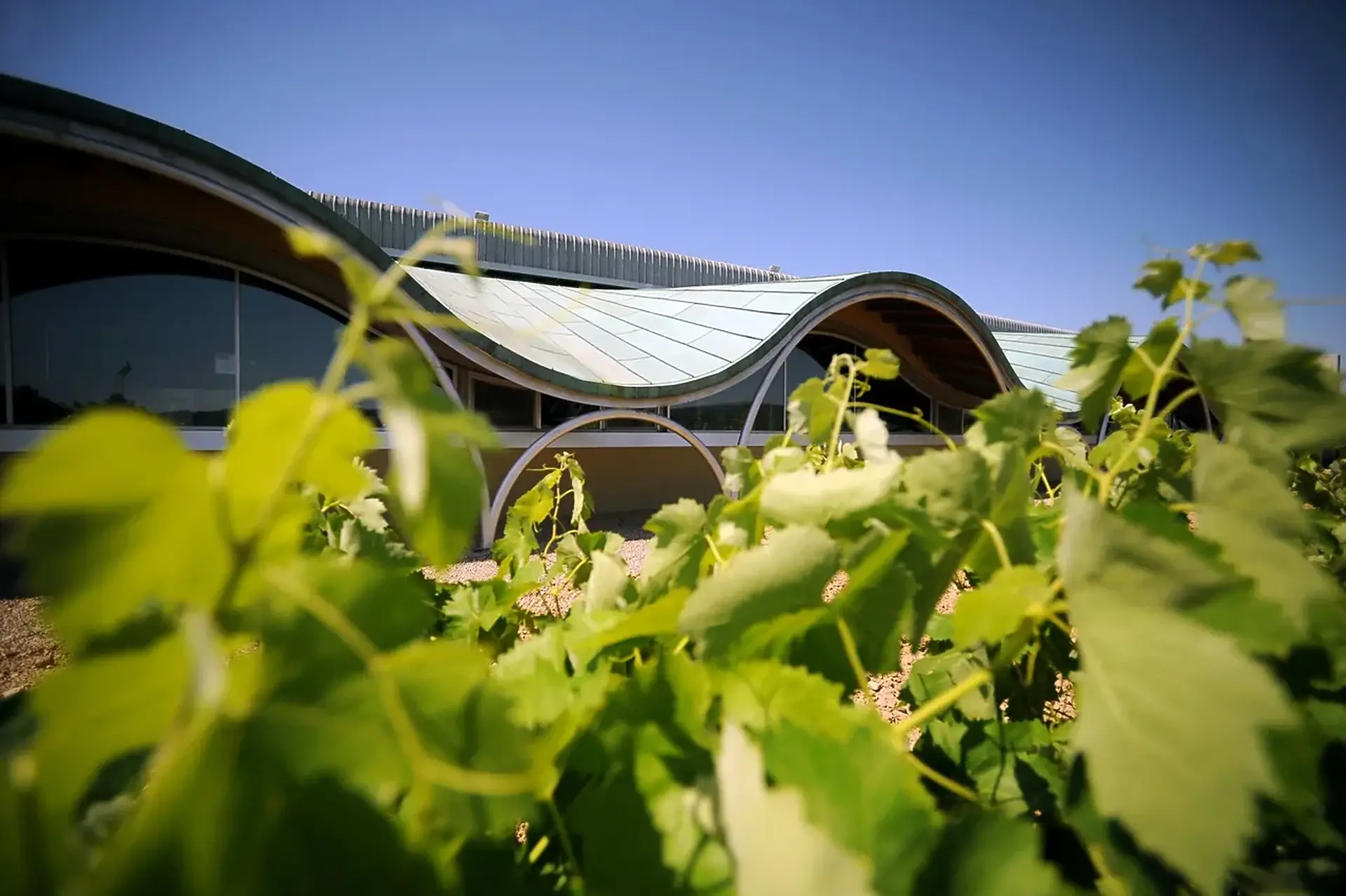
A modern building with a wave-shaped roof and curved arches seen through green vine leaves under a blue sky

Gramona has farmed by organic and biodynamic rules since 2010, ploughing with horses and making compost from the cows, sheep and chickens on its own farm, and Demeter first certified it in 2014. Its organic certificate, from the Catalan body CCPAE, runs to June 2028. Demeter Spain's register still showed a validity date of 31 March 2026 when we read it on 9 October 2026, with no renewal published. In 2015 the family founded Aliances per la Terra, a group of Penedès growers who farm the same way, and together they now work about 420 hectares, sixty-five of them the family's own.

The rocky ridge of Montserrat stands to the north, sheltering the vineyards in winter; it is the mountain behind the photograph at the top of this page. Today the fifth and sixth generations run the house: Jaume Gramona, his son Roc and his late cousin Xavier's son Leo.

Why it’s remarkable

140 months
how long the 2013 Enoteca rested on its lees before release
Gramona's other sparkling wines spend from about two years to about nine on their lees. Enoteca stays more than ten years, and the 2013 spent 140 months. All that time the bottles sit in the cellar earning nothing, and it is what gives the wine its taste of pastry and hazelnut.
They left Cava
the family left the Cava appellation in 2019, after almost a century of making sparkling wine
Gramona was one of the six houses that set up Corpinnat in 2017, and in 2019 the nine Corpinnat houses withdrew from Cava's register. Every Corpinnat bottle needs organic grapes, picked by hand, made into wine on the estate and rested at least eighteen months. Cava's basic category asks for nine months in the bottle and does not require organic grapes.
Beyond their own fence
Aliances per la Terra
In 2015 Gramona founded a group of Penedès growers who farm by organic and biodynamic rules, and it supplies the training, the consultants and the preparations. Together they work about 420 hectares, of which sixty-five are the family's own.
Independently certified, and checked against the issuing body’s own register. Not a compromise on quality — see how we verify.

Free Bacchus Verification

Track A
Formal third-party certification, confirmed against the issuing body’s own register.

CCPAE organic

Certified1
  • CCPAE organic (ES-ECO-019-CT) — Gramona, SA, Sant Sadurní d'Anoia, certificate ES-ECO-019-CT.724-0022453.2026.002, grapes and wine, valid to 30 June 2028
Also on record2
  • The certificate lists wine as organic production alongside non-organic production, and part of the olive trees and forest in conversion
  • Demeter Spain's register (BFDI ES-28618, producer and processor) shows status Demeter with a validity date of 31 March 2026, now passed; no renewal had been published when we read it on 9 October 2026
Re-verified annually against the issuing body’s register. How re-verification works
The producer’s own sitegramona.com
Producers don’t pay to be here. There is no fee to be listed and no way to buy a higher tier. If the evidence doesn’t hold, the bottle isn’t here.
Flagship
Enoteca Gramona Brut Nature

If you’re buying

Price
Around US$200 for Enoteca. Approximate, and it moves with vintage and market.
Drinking now
Enoteca is released ready, after more than ten years in the cellar, and Gramona says it will keep a few years more.
Serving
8–10°C, in a large wine glass rather than a flute, as Gramona advises.
Availability
Imported to the United States by European Cellars. Enoteca is made in small numbers (1,800 bottles of the 2006); the rest of the range is easier to find.
Tastes like
Pastry, hazelnut and cocoa, with bubbles so fine they seem melted into the wine.
Pairs with
Jamón ibérico, white fish in a butter sauce, or a truffle dish.
Price bands are approximate and move with vintage, market and region. They are a guide, not a quotation.

Cheat sheet

Save it to your phone. Everything you need to recognise this producer, and three things worth saying about it, at a glance in a shop or across a table.

20 verified producers in Spain →

From the Journal

← Tamburlaine Organic WinesThe Verification StandardBodegas Frontonio →

More Verified Houses · Spain

Where to go next

Three more from the cellar, chosen by what is in the glass rather than where it is from.

Larmandier-BernierSparkling · France Summerhill Pyramid WinerySparkling · Canada Weingut LeinerSparkling · Germany
↑