Hochkirch Wines
The Free Bacchus Story
The Nagorckas planted their first vines in 1990 by the book, and by their own account it went almost entirely wrong. They followed the industry advice of the day, low density, wide rows and a high trellis, and achieved, they write, ‘the rare outcome of doing almost everything badly’. They rebuilt towards close rows, close vines and a low trellis, and thirty years on they were still pulling out the last of the 1990 vines.
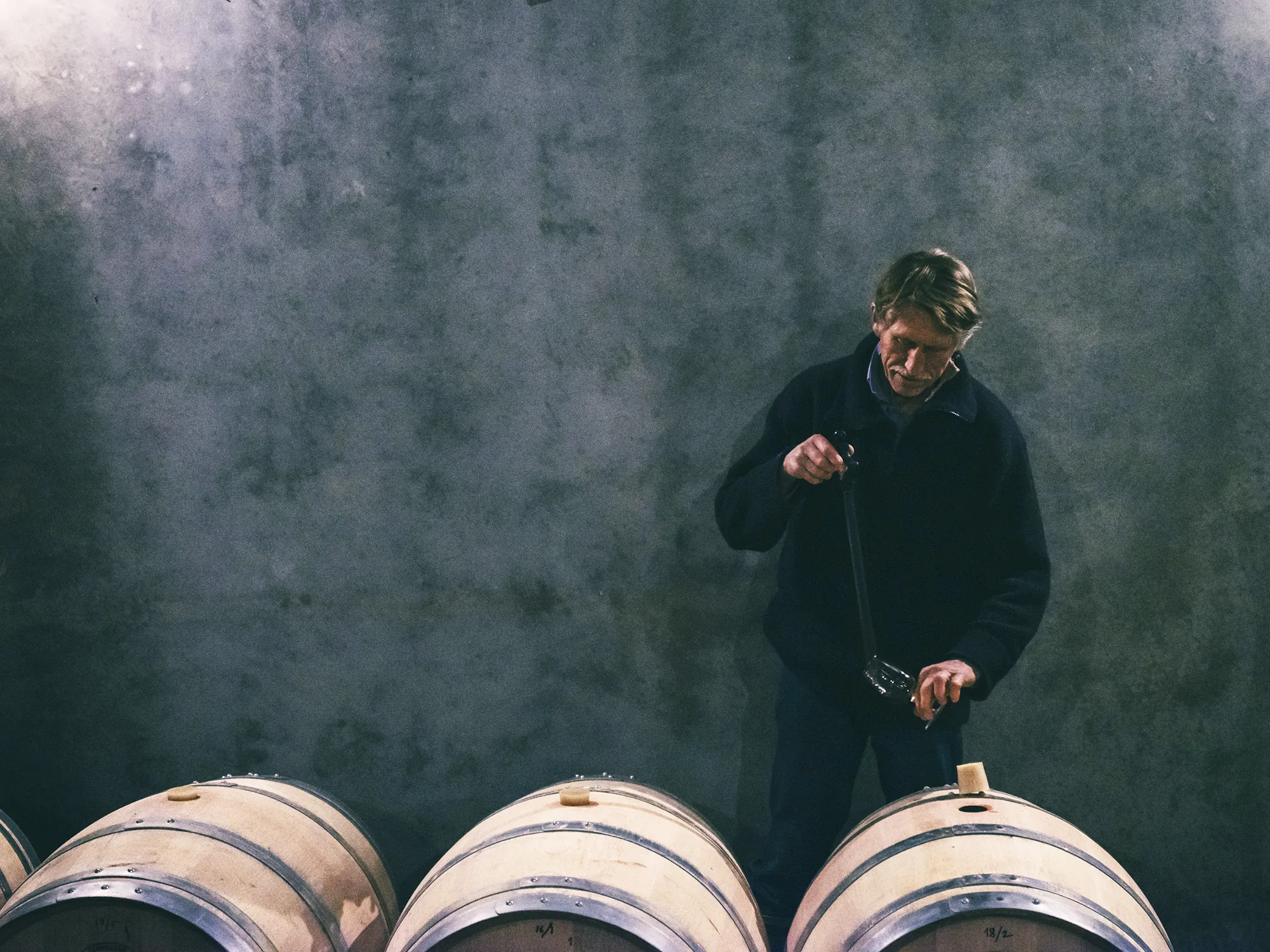
John Nagorcka’s great-grandfather came from Saxony, by way of the Barossa, to farm near a village its German settlers called Hochkirch; it is Tarrington now. John left to study medicine in Melbourne and specialised in radiology before coming back to the family land, which he and Jennifer Nagorcka now run with their son Christian managing the vineyards. At first John used no chemicals except glyphosate for weeds under the vines. In 1997 they went organic, a hard change with no skills or machinery for working the soil under the vines, and in 1999 they began farming biodynamically.
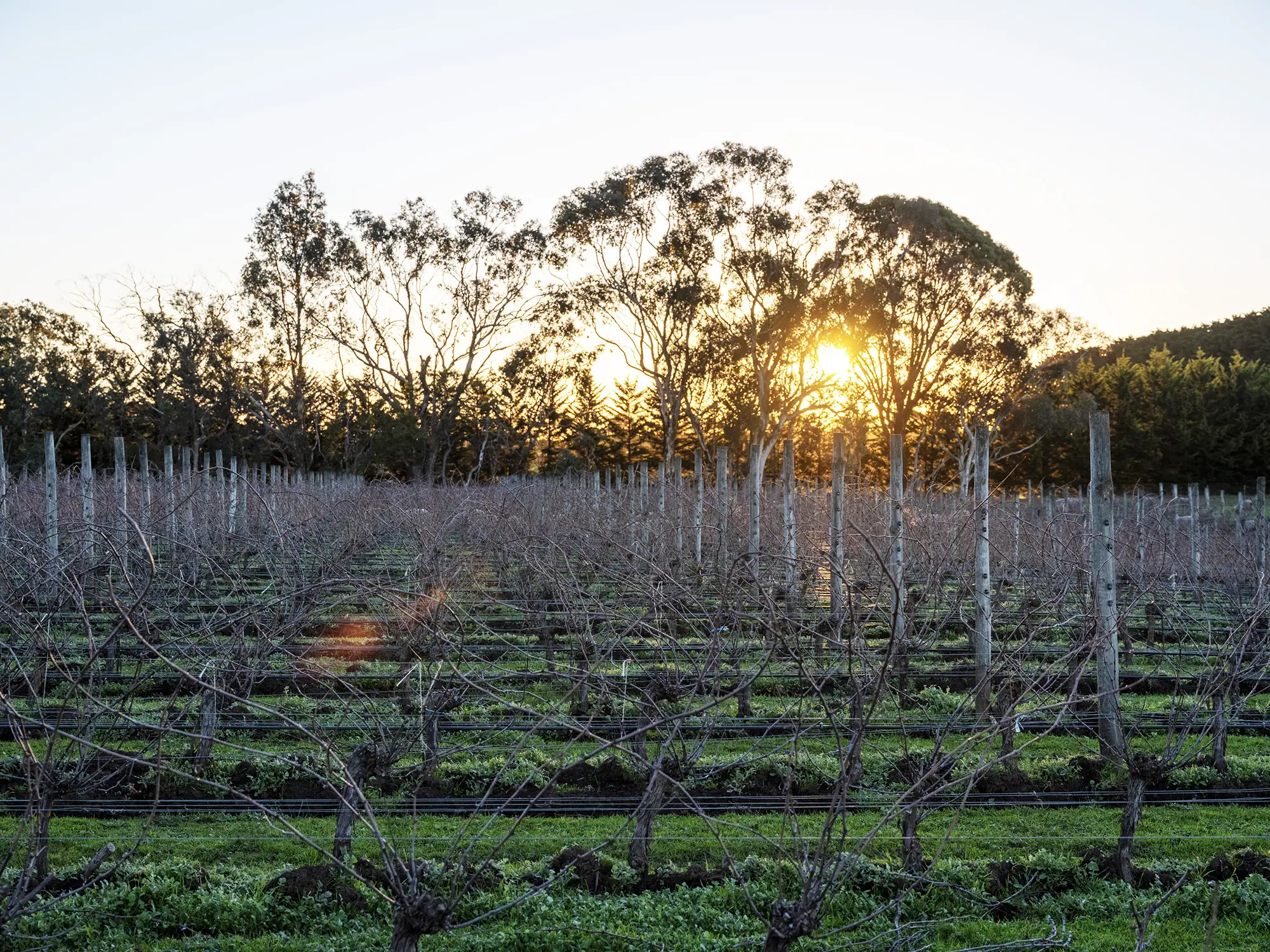
Henty, in south-western Victoria about 70 kilometres from the cold southern coast, is one of the coolest wine regions on the Australian mainland, with growing-season temperatures, Halliday notes, like Burgundy’s. Most of what the Nagorckas grow is Pinot Noir, and they pick it early, at around 10.5 Baumé, for freshness.
The vines are 20 acres within a 700-acre mixed farm of sheep, cattle and cereal crops, and the whole enterprise is on the Bio-Dynamic Research Institute’s Demeter list, the wine as well as the grain, hay and livestock. They also farm and make wine from the nearby Tarrington vineyard, planted in 1993 by John’s sister Dianne Nagorcka and Tamara Irish. The honesty extends to the animals. In bad years, a few sheep that are still not doing well are drenched with chemicals, kept apart and sold as conventional.
“Biodynamic acid is ripe, lively and enlivens the taste.”
Why it’s remarkable
Free Bacchus Verification
Demeter biodynamic, Bio-Dynamic Research Institute
Certified1
- Demeter biodynamic, Bio-Dynamic Research Institute certificate 741: the whole mixed farm, from the vines and the wine to the grain, hay, sheep and cattle
If you’re buying
Cheat sheet
Save it to your phone. Everything you need to recognise this producer, and three things worth saying about it, at a glance in a shop or across a table.