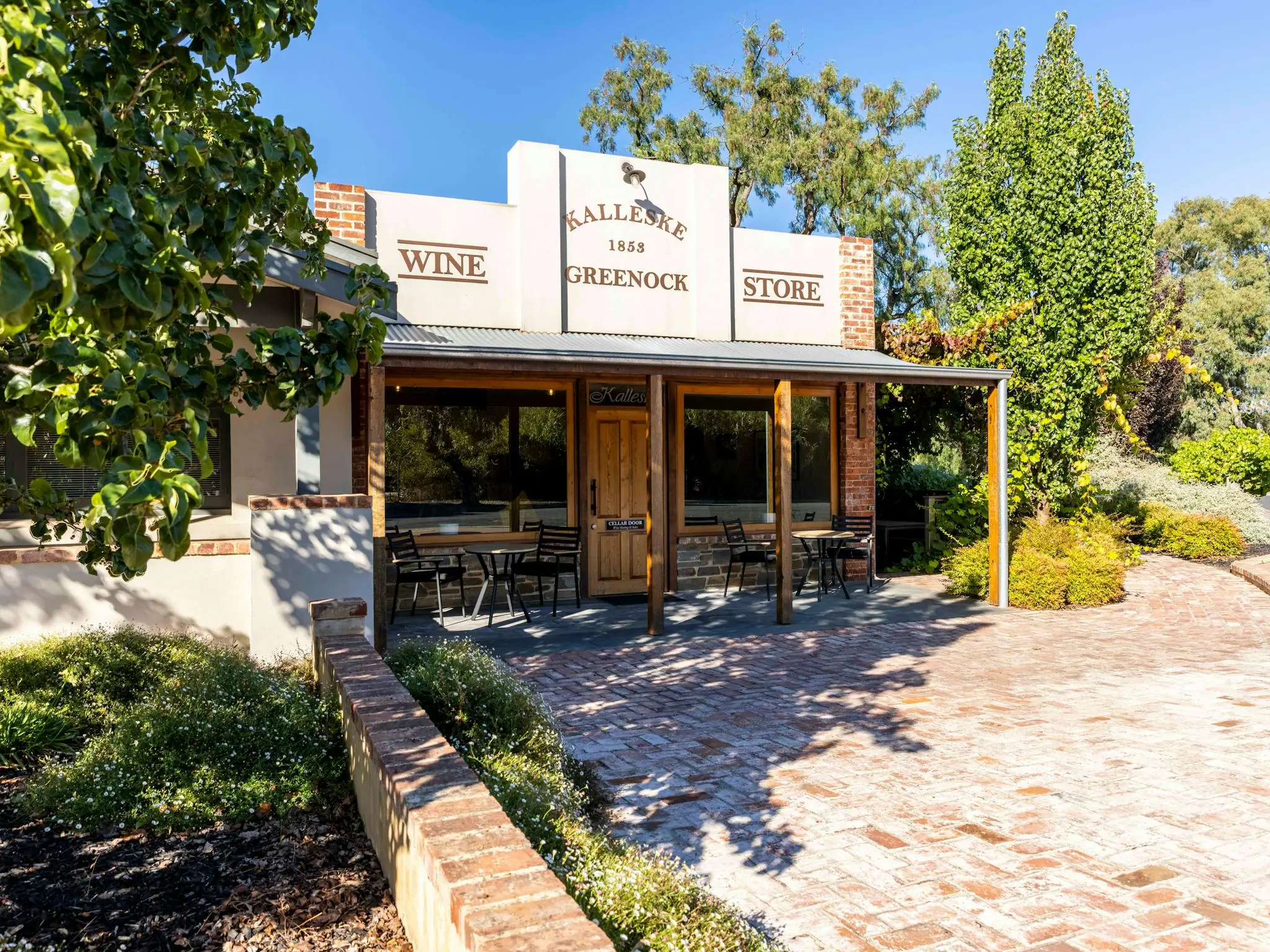
Kalleske Wines
The Free Bacchus Story
Until 2002 the Kalleskes sold every grape they grew, in the same way as their beef, lamb and wheat. The family farm at Moppa, on the north-western edge of the Barossa near Greenock, was established in 1853 and still runs sheep, cattle and a chaff mill alongside the vines. The family says one of its blocks made Penfolds Grange more consistently than any other on the farm.
For most of its history the farm was organic by default. Then, in the late 1970s and early 1980s, John Kalleske used superphosphate and herbicides. Each year it took more fertiliser to get the same crop, and the soil, as his son Troy remembers it, got harder, “more like concrete”, until rain ran off instead of soaking in. John says he got a headache every time he sprayed. He began experimenting with biological farming in the mid-1980s, with little information to go on and a good deal of mockery from the neighbours, and the family dates its organic and biodynamic certification to 1998.
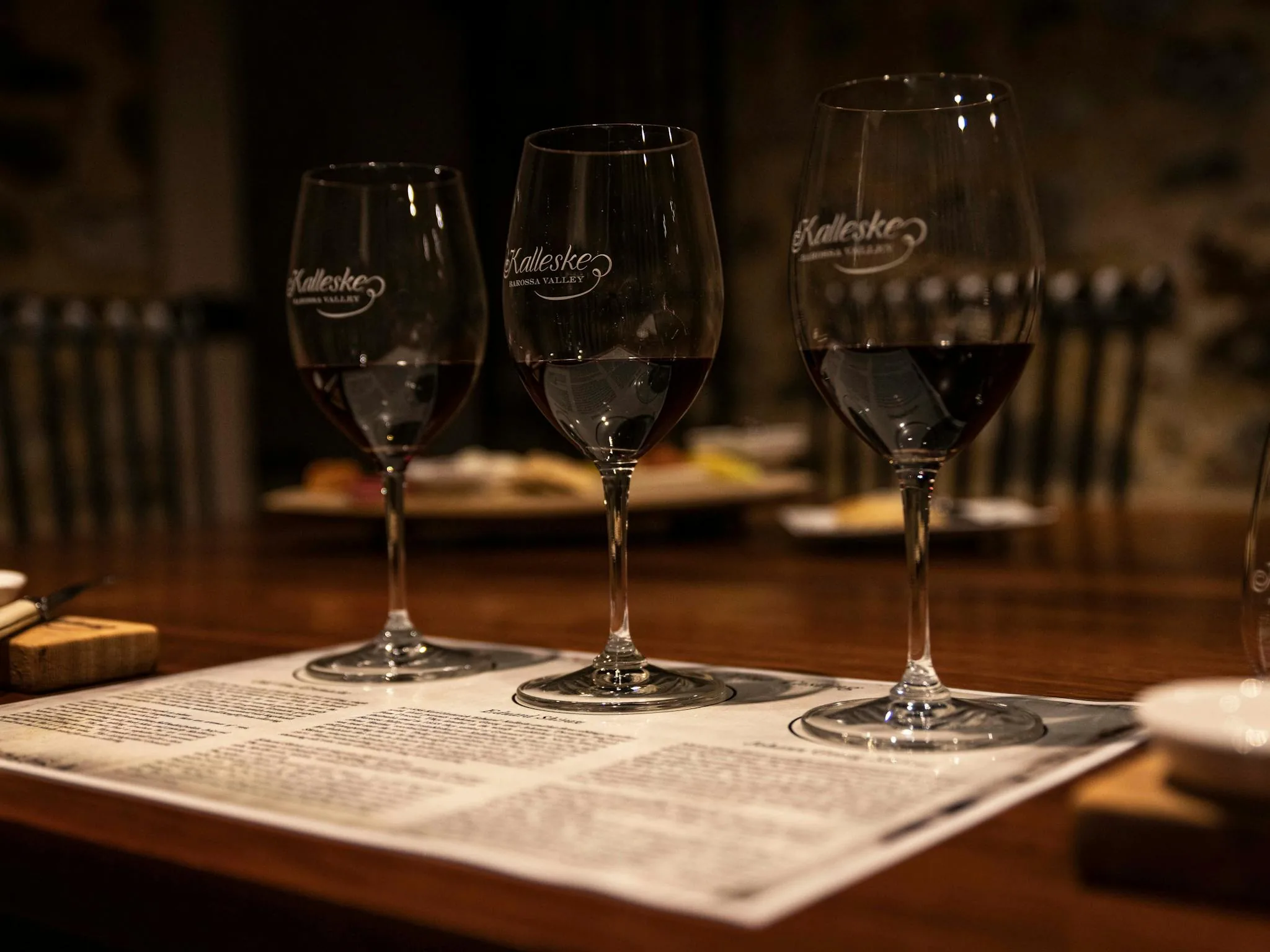
The Barossa is warm country with a Mediterranean climate, and its Shiraz is known for rich blackberry, plum and cherry. The Kalleske vines sit higher than most of the valley, at 300 to 350 metres, where the breezes mean their grapes are usually among the last picked. The oldest block, planted in 1875 and dry-grown, yields about a tonne of grapes an acre. It makes Johann Georg Shiraz, named for the first Kalleske to emigrate, who reached South Australia from Prussia in 1838.
Troy and his brother Tony started making wine in a shed in 2002, keeping their day jobs, and released their first wines in 2004. The season everyone remembers is 2011, the wettest and coldest in memory, when organic growers were expected to struggle. The Kalleske vines stayed virtually free of disease, and Clarry’s GSM from that year, a blend of Grenache, Shiraz and Mataro that sells for about A$24, won a Gold medal and three trophies at the International Wine Challenge, the Biodynamic Trophy among them. Southern Cross Certified now certifies the farm, the vineyards and the winery, and names the wines on its certificate one by one.
“The farm was organic by default, but it wasn’t proactively organic”
Why it’s remarkable
Free Bacchus Verification
Southern Cross Certified organic and biodynamic
Certified2
- Southern Cross Certified organic and biodynamic, farm, vineyards and winery (certificate 20019, to May 2027)
- The certificate names the wines vintage by vintage
If you’re buying
Cheat sheet
Save it to your phone. Everything you need to recognise this producer, and three things worth saying about it, at a glance in a shop or across a table.